
Annual Physical Exam in Dallas, TX
An annual physical exam is a yearly check-up with your primary care doctor to review your health, catch problems early and plan the screenings you need. At Purposeful Healing in Dallas, your physical is a 40-minute visit that covers your history, a full exam, age-based screenings and lab work when needed.

What Is an Annual Physical Exam?
An annual physical, also called a yearly physical, annual check-up or wellness exam, is a preventive visit.
You go when you feel well, not only when you are sick. The goal is to find health risks early, while they are easier to treat.
Many serious conditions cause no symptoms at first. High blood pressure, high cholesterol and prediabetes are common examples. A yearly visit is often the only way to spot them before they cause harm.

What's Included in Your Annual Physical
- 01
Health history review. Your doctor asks about your past illnesses, surgeries, family history, medicines and supplements.
- 02
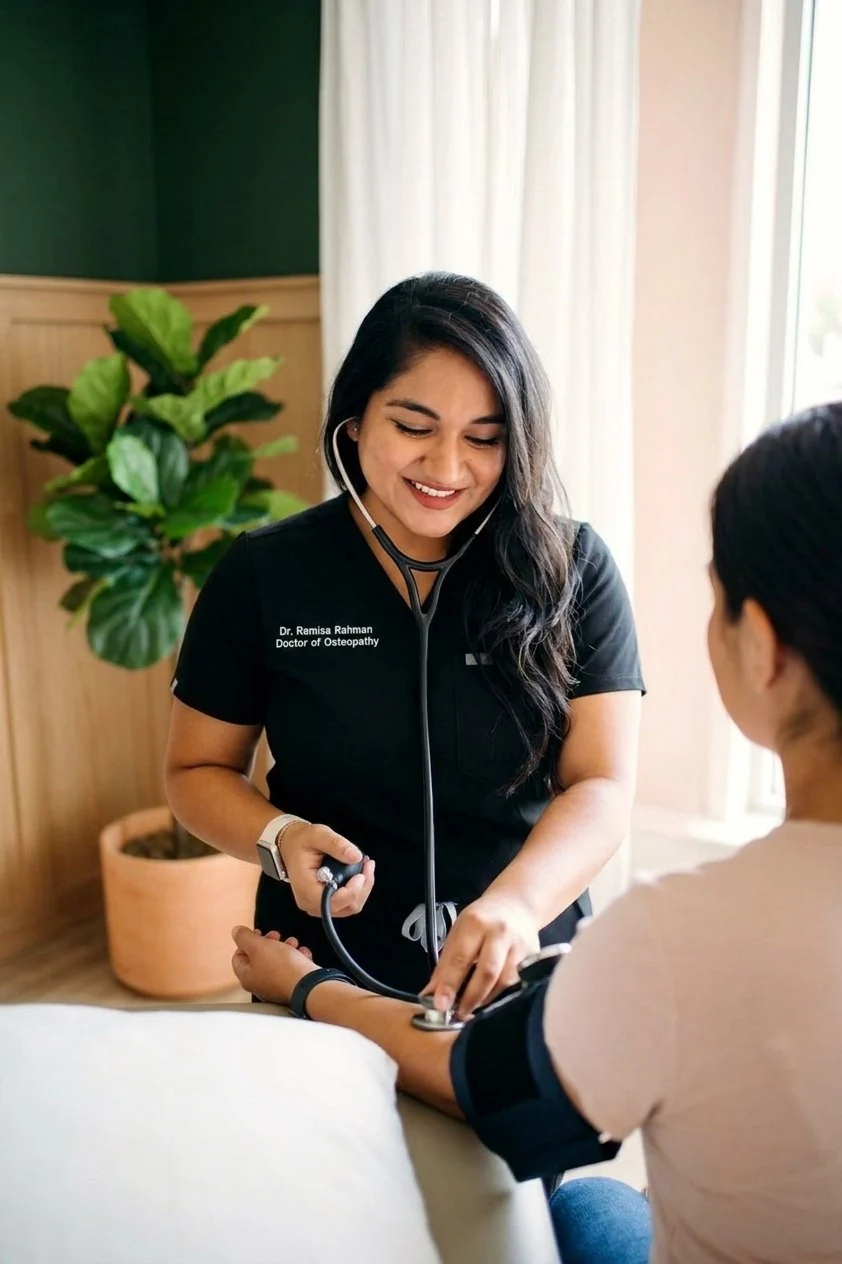
Vital signs. Blood pressure, heart rate, breathing, weight and body mass index (BMI).
- 03
Physical exam. A head-to-toe check, including your heart, lungs, abdomen, skin and joints.
- 04
Screenings for your age and risk. Your doctor recommends the tests that fit you, based on national guidelines.
- 05
Lab work when needed. This can include blood sugar, cholesterol, thyroid and other blood tests.
- 06
Vaccine review. We check which vaccines you are due for and how to get them.
- 07
Lifestyle check-in. Sleep, stress, nutrition, movement, alcohol and smoking.
- 08
Your health plan. You leave knowing your results, your next steps and when to come back.
How Your Annual Physical Works
Four simple steps from your first call to ongoing care.
Schedule an AppointmentBook your physical. It is included for members, or $149 as a single visit.
We tell you when you book if your labs need fasting.
Your 40-minute visit covers your history, a head-to-toe exam and the screenings due for your age.
Go over your results and leave with your plan for the year ahead.
Recommended Screenings by Age
Your doctor tailors screenings to your age, sex, family history and risk. This table follows U.S. Preventive Services Task Force (USPSTF) guidance for adults at average risk.
| Screening | Who it is usually for |
|---|---|
| Blood pressure | All adults 18 and older |
| Cholesterol and heart risk | Adults 40 to 75 |
| Prediabetes and type 2 diabetes | Adults 35 to 70 who have overweight or obesity |
| Cervical cancer (Pap test or HPV test) | Women 21 to 65 |
| Breast cancer (mammogram) | Women 40 to 74, every 2 years |
| Colorectal cancer | Adults 45 to 75 |
| Lung cancer (low-dose CT) | Adults 50 to 80 with a significant smoking history |
| Osteoporosis (bone density) | Women 65 and older, and younger women at higher risk |
| Depression and anxiety | Adults, during routine visits |
If you have a family history or other risk factors, your doctor may suggest starting some screenings earlier.
How to Prepare for Your Yearly Physical
- Bring a photo ID and a list of all your medicines, vitamins and supplements.
- Bring records or recent test results from other doctors.
- Write down any symptoms or questions, even small ones.
- Know your family history, such as heart disease, diabetes or cancer in parents or siblings.
- Wear comfortable clothing that is easy to move in.
Why a Yearly Check-Up Matters
A yearly check-up builds a record of your health over time.
When your doctor can compare this year's numbers with last year's, small changes stand out. A blood sugar result that is creeping up, for example, can often be turned around with diet and exercise before it becomes diabetes.
Regular visits also mean you have a doctor who already knows you. When you do get sick, you are not starting from scratch.
A More Complete Physical at Purposeful Healing
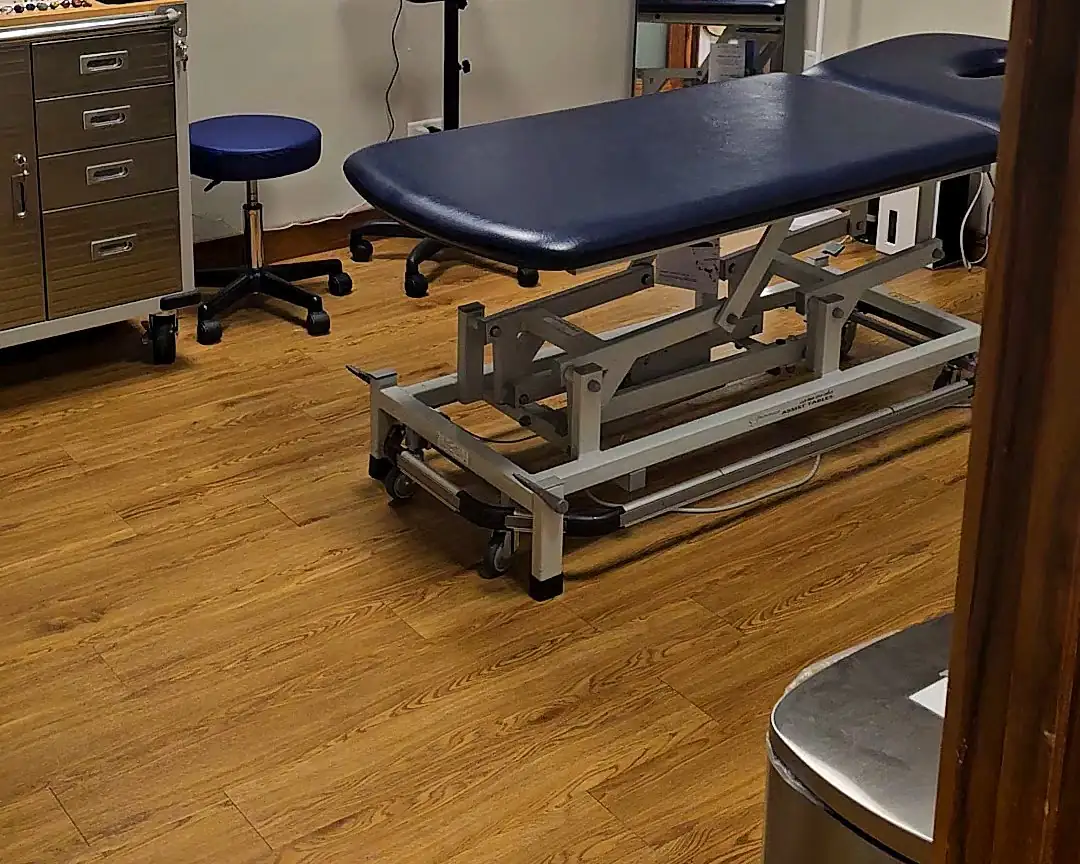
Many annual exams last only a few minutes with the doctor. Ours are 40 minutes, so there is time to talk through everything on your mind. Our doctors also look at the whole person, including sleep, stress, nutrition and movement.
If your physical condition shows a need for more support, help is in the same clinic. Your doctor can connect you with our chronic disease management, physical therapy, nutrition and weight loss services. Women can also book a well-woman visit through our women's health care.
Annual Physical Cost Without Insurance
Your annual physical is part of your membership, which starts at $250 a month. Not a member? You can book a single visit for $149. Lab tests and imaging are billed separately at discounted rates through our local partners. We accept HSA and FSA cards.
Your Annual Physical Near You in Dallas
Our clinic is at 4300 N Central Expy #310, Dallas, TX 75206, near Knox-Henderson. Patients visit us from Uptown, Highland Park, Lakewood and across Dallas. All visits are by appointment. See directions and parking.

Do I need to fast before my physical?
Only if your doctor orders certain blood tests, such as fasting blood sugar or a cholesterol panel. In that case, you may be asked not to eat for 8 to 12 hours before the test. Water is fine. We will tell you when you book.
Can you fill out forms for work, school or sports?
Bring the form to your visit and mention it when you book. Your doctor can complete it when the exam covers what the form asks for.
How is an annual physical different from a well-woman exam?
An annual physical covers your overall health. A well-woman exam focuses on reproductive and breast health, such as Pap tests and breast exams. Many women do both in the same year.
What happens if my results are not normal?
Your doctor explains what the result means and what to do next. That might be a repeat test, a lifestyle change, a medicine or a referral to a specialist. You will have a clear follow-up plan.