
Deep Tissue Massage in Dallas, TX
Deep tissue massage uses slow, firm pressure to reach the deeper layers of muscle and the tissue around it. It is often used for chronic tension, knots and stiffness in the back, neck and shoulders. At Purposeful Healing in Dallas, your massage therapist works with your doctor so each session fits your care plan.

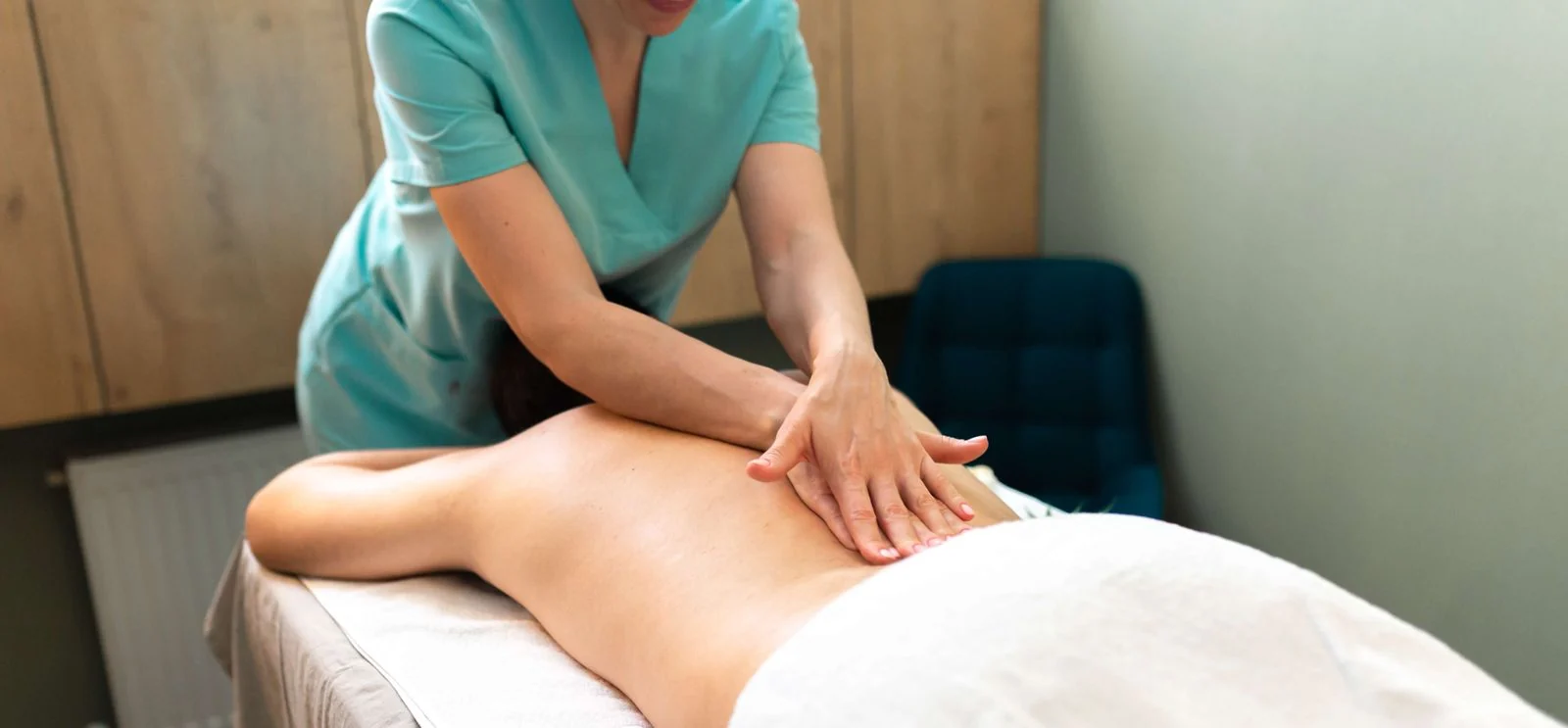
What Does Deep Tissue Massage Consist Of?
Deep tissue therapy uses many of the same strokes as a regular massage, but slower and with more pressure. Your therapist warms up the area first, then works along and across the muscle fibers with the hands, forearms or elbows. The goal is to ease tight bands of muscle and the connective tissue (fascia) that wraps around them.
This kind of deep tissue bodywork is focused. Rather than covering the whole body evenly, your therapist spends most of the session on the areas that are causing trouble.

When to Get a Deep Tissue Massage
Deep tissue massage may help if you have:
- Ongoing tightness in the neck, shoulders or upper back
- Low back pain that keeps coming back
- Muscle knots from desk work or long drives
- Stiffness after training or a physical job
- Tight hips or legs that limit how you move
It is not the best choice for a fresh injury. In the first few days after a strain or sprain, rest and gentle care come first. Your doctor can tell you when deep work is safe.
How Deep Tissue Massage Works
Four simple steps from your first call to ongoing care.
Schedule an AppointmentTell your therapist where it hurts and what makes it worse.
Lighter strokes warm up the muscles first.
Slow, firm pressure works on the tight areas, adjusted to your comfort.
Leave with stretches and a plan for your next few sessions.
Deep Tissue vs Relaxation Massage
| At a glance | Deep tissue massage | Relaxation massage |
|---|---|---|
| Pressure | Firm and slow | Light to medium |
| Main goal | Ease chronic tension and knots | Calm the body and mind |
| Focus | Problem areas | Usually full body |
| How you may feel after | Some soreness for a day or two | Relaxed, often sleepy |
Does Deep Tissue Massage Hurt?
It should feel firm, and some spots may feel tender, but it should not feel sharp or make you hold your breath.
Tell your therapist if the pressure is too much. Good deep tissue work is adjusted to you. Mild soreness for a day or two afterward is common and usually fades on its own.
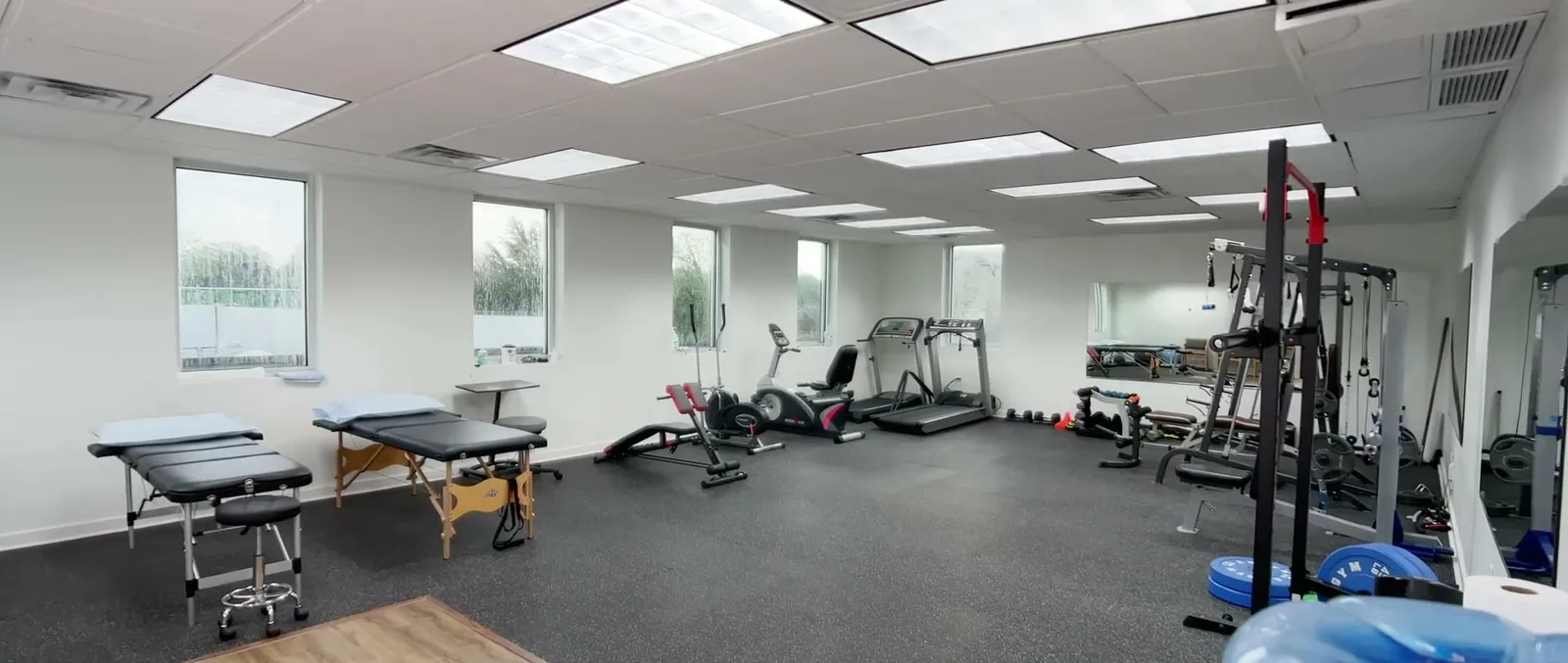
Deep Tissue Massage as Part of Your Care
Because our massage therapist works in the same clinic as our doctors and physical therapist, your massage can be part of a bigger plan. For example, deep tissue work can help loosen tight muscles before physical therapy exercises, or support treatment for back and neck pain. Your doctor can also check for causes that need other care first.
What to Expect
- 01
Short intake. Your therapist asks where it hurts, how long it has bothered you and what makes it worse.
- 02
Warm-up. Lighter strokes relax the surface muscles.
- 03
Deep work. Slow, firm pressure on the tight areas, adjusted to your comfort.
- 04
Aftercare. You get simple stretches and tips to help the results last.
Sessions are 60 minutes.
Who Should Avoid Deep Tissue Massage
Check with your doctor before deep tissue massage if you have a blood clot or a history of clots, take blood thinners, have a bleeding disorder or low platelets, have osteoporosis, recently had surgery or a fracture, or are being treated for cancer. Avoid deep pressure over skin infections, rashes or open wounds.
How to Prepare for Deep Tissue Work
- Drink water during the day before your session.
- Avoid a heavy meal in the hour before.
- Tell your therapist about recent injuries, surgeries or medicines, especially blood thinners.
- Note which movements make your pain worse, so your therapist can focus on the right areas.
- Plan a lighter day afterward if this is your first deep session.
Many people feel looser right away and a little sore the next day. A warm shower and gentle stretching can help. Tension that has built up over months or years usually eases step by step, so think of your first visit as the start of a plan.
Cost and Location
Purposeful Plus members can choose two 60-minute medical massages a month, which can be deep tissue. See our membership plans, or call us to ask about a single session. We are at 4300 N Central Expy #310, Dallas, TX 75206, near Knox-Henderson, with parking on site.
See Our Membership Pricing
How often should I get a deep tissue massage?
For chronic tension, every one to two weeks for a few sessions often works well. Then many people move to once a month.
Should I stretch or work out after a deep tissue massage?
Gentle walking and light stretching are fine. Skip hard training for the rest of the day.
Can I get deep tissue massage while pregnant?
Firm pressure is usually avoided in pregnancy, especially on the legs. Ask your doctor first, and tell us when you book.
Will one session fix my knots?
You may feel better after one visit, but long-standing tension often needs a few sessions plus changes to posture, stretching or strength.