High-Protein Meal Plan for Women Over 40 Trying to Lose Fat
 Yaser Elqutub
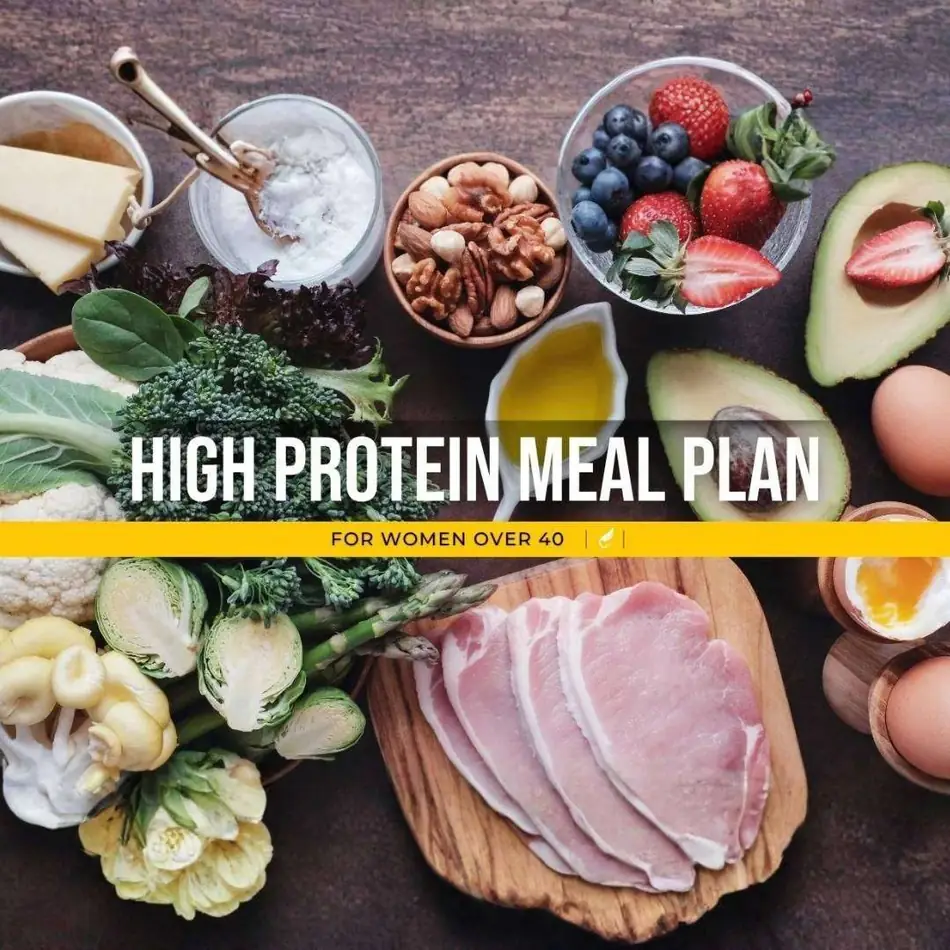
Losing fat after 40 is not the same game it was in your 20s. Your metabolism slows, muscle mass starts to decline, hormones shift, and the diet strategies that worked before often stop delivering results. The good news is that one change makes a bigger difference than almost anything else: eating more protein.
A high-protein meal plan helps women over 40 preserve muscle while losing fat, keeps hunger under control, and supports the metabolic function that naturally slows with age. This guide gives you exactly what you need to build one that works.
Why Protein Matters More After 40
After 40, women begin losing muscle mass at a faster rate due to declining estrogen levels and a process called sarcopenia, which is the gradual loss of muscle tissue that comes with aging. Less muscle means a slower metabolism, which means your body burns fewer calories at rest.
Protein is the primary tool for fighting this. It provides the amino acids your body needs to build and maintain muscle tissue. It also has the highest thermic effect of any macronutrient, meaning your body burns more calories just digesting it compared to carbs or fat.
Research published in the American Journal of Clinical Nutrition found that higher protein intake supports greater fat loss and muscle retention in adults over 40, particularly when combined with resistance training. Aim for 1.2 to 1.6 grams of protein per kilogram of body weight daily. For a 150-pound woman, that is roughly 82 to 109 grams of protein per day.
Best High-Protein Foods for Women Over 40
Before building your meal plan, know your best protein sources. These are foods that deliver high protein with minimal processing and solid nutritional value alongside it.
| Protein Source | Protein per Serving | Bonus Benefit |
| Chicken breast (4 oz) | 35g | Low fat, versatile |
| Greek yogurt (1 cup) | 20g | Gut health, calcium |
| Eggs (2 large) | 12g | Healthy fats, choline |
| Salmon (4 oz) | 30g | Omega-3s, anti-inflammatory |
| Cottage cheese (1 cup) | 25g | Casein protein, slow digesting |
| Lentils (1 cup cooked) | 18g | Fiber, iron, plant-based |
| Edamame (1 cup) | 17g | Plant estrogens, fiber |
| Tuna (3 oz canned) | 22g | Affordable, quick prep |
| Turkey breast (4 oz) | 34g | Lean, low calorie |
| Whey or plant protein shake | 20 to 25g | Convenient, post-workout |
Build most of your meals around two or three of these sources and rotate throughout the week to avoid boredom and nutritional gaps.
Sample High-Protein Meal Plan for Fat Loss
This is a practical, repeatable framework. It is not meant to be rigid. Swap proteins and vegetables based on what you enjoy and what fits your schedule.
Day 1 Meal Plan for Fat Loss
- Breakfast: Two scrambled eggs with spinach and one slice of whole grain toast. Side of half cup Greek yogurt with berries. Total protein: roughly 30g.
- Lunch: Grilled chicken breast over a bed of mixed greens with cucumber, cherry tomatoes, avocado, and a lemon olive oil dressing. Total protein: roughly 38g.
- Snack: Cottage cheese with sliced cucumber and a pinch of black pepper. Total protein: roughly 25g.
- Dinner: Baked salmon with roasted broccoli and a small serving of quinoa. Total protein: roughly 34g.
Daily protein total: roughly 127g
Day 2 Meal Plan for Fat Loss
- Breakfast: Protein smoothie made with one scoop whey or plant protein, one cup unsweetened almond milk, half a banana, and a handful of spinach. Total protein: roughly 25g.
- Lunch: Turkey and avocado lettuce wraps with shredded carrots and a drizzle of hummus. Total protein: roughly 35g.
- Snack: Hard boiled egg with a small handful of almonds. Total protein: roughly 12g.
- Dinner: Ground turkey stir-fry with bell peppers, broccoli, and tamari over cauliflower rice. Total protein: roughly 38g.
Daily protein total: roughly 110g
Day 3 Meal Plan for Fat Loss
- Breakfast: Overnight oats made with half cup rolled oats, one cup Greek yogurt, chia seeds, and a drizzle of almond butter. Total protein: roughly 28g.
- Lunch: Lentil soup with a side salad and a boiled egg. Total protein: roughly 30g.
- Snack: Edamame, lightly salted. Total protein: roughly 17g.
- Dinner: Baked cod with asparagus and roasted sweet potato. Total protein: roughly 32g.
Daily protein total: roughly 107g
Meal Prep Tips That Actually Save Time
Women over 40 are often managing full schedules. Meal prepping removes the daily decision-making that leads to grabbing whatever is easy, which usually is not high-protein.
Set aside two hours on Sunday. Grill a batch of chicken breasts or turkey. Hard boil six to eight eggs. Cook a large pot of lentils or quinoa. Pre-portion Greek yogurt and cottage cheese into containers. Wash and chop vegetables so they are ready to grab.
With these basics prepped, you can assemble most meals in under five minutes. That alone is what keeps a meal plan consistent rather than theoretical.
What to Avoid on a High-Protein Fat Loss Plan
Knowing what not to do is just as useful as knowing what to do.
| What to Limit | Why It Works Against You |
| Skipping meals | Triggers muscle breakdown and slows metabolism |
| Ultra-processed protein bars | Often high in sugar and low in real nutrition |
| Too little fat | Healthy fats support hormones, especially after 40 |
| Ignoring fiber | Protein without fiber leads to digestive issues and poor satiety |
| Relying only on shakes | Whole food protein is more satiating and nutrient-dense |
| Cutting calories too aggressively | Causes muscle loss along with fat, worsening body composition |
The goal is fat loss, not just weight loss. That distinction matters enormously after 40. Dropping muscle mass along with fat makes it harder to keep the weight off long-term and leaves you feeling weaker rather than fitter.
How Our Dallas Clinic Can Help You Get This Right
A meal plan template is a starting point, not a prescription. Every woman over 40 has a different hormonal picture, metabolic rate, gut health status, and lifestyle. What works well for one person may not work for another, and that is especially true after 40 when variables like thyroid function, cortisol levels, and insulin sensitivity play a bigger role in fat loss than they did earlier in life.
At Purposeful Healing DPC in Dallas, the care team offers personalized nutrition planning through registered dietitian access as part of their Purposeful Plus membership. Rather than following a generic plan, patients receive guidance built around their specific health data, including functional labs, hormonal panels, and metabolic assessments. This means your protein targets, food choices, and meal timing are based on what your body actually needs, not just a general guideline.
This kind of support is especially valuable for women who have tried high-protein diets before without consistent results. Often the missing piece is something deeper, a thyroid issue, a cortisol imbalance, or poor gut absorption that prevents the plan from working the way it should.
Book your appointments today.
Frequently Asked Questions
How much protein do women over 40 need to lose fat?
Most research supports 1.2 to 1.6 grams of protein per kilogram of body weight per day for women over 40 who are trying to lose fat and preserve muscle. For a 150-pound woman, that is roughly 82 to 109 grams daily.
Can I lose belly fat with a high-protein diet after 40?
Yes. A high-protein diet supports fat loss overall, including in the abdominal area, particularly when combined with resistance training and a modest calorie deficit. It also helps regulate insulin levels, which plays a role in how the body stores fat around the midsection.
What are the best high-protein snacks for women over 40?
Good options include cottage cheese, hard boiled eggs, edamame, Greek yogurt, a small protein shake, or turkey slices with vegetables. Choose snacks that deliver at least 12 to 15 grams of protein to meaningfully contribute to your daily total.
Do I need protein shakes on a high-protein meal plan?
No. Whole food sources are preferable because they deliver protein alongside fiber, vitamins, and minerals. Protein shakes are a convenient backup for busy days or post-workout recovery, but they should not replace whole food meals.
Medical Disclaimer
The information in this article is for educational purposes only and does not constitute medical advice, diagnosis, or treatment. Nutritional needs vary based on individual health conditions, medications, and metabolic factors. Always consult your physician or a registered dietitian before making significant changes to your diet, especially if you have a chronic health condition or are over 40 with specific health considerations.