How Many Reiki Sessions Do You Need?
 Yaser Elqutub
Most people try 3–4 weekly Reiki sessions to see if it helps, then move to a monthly session if it does. Below: how many sessions suit stress, sleep and pain, and what changes the number.
What is Reiki Therapy?
Reiki therapy is a type of energy healing that uses a practitioner’s hands to channel energy into a client’s body, helping to release tension, balance energy, and promote natural healing. The word “Reiki” combines two Japanese words: “Rei,” meaning universal, and “Ki,” meaning life energy. This life energy is thought to flow through all living beings, and Reiki practitioners believe that blockages in this energy can lead to stress, tension, or even physical ailments.
Types of Energy Healing
Reiki is just one approach to types of energy healing. Other forms include chakra balancing, Qigong, and therapeutic touch, each with its own unique techniques but similar principles of restoring energy balance.
How Does Reiki Work?
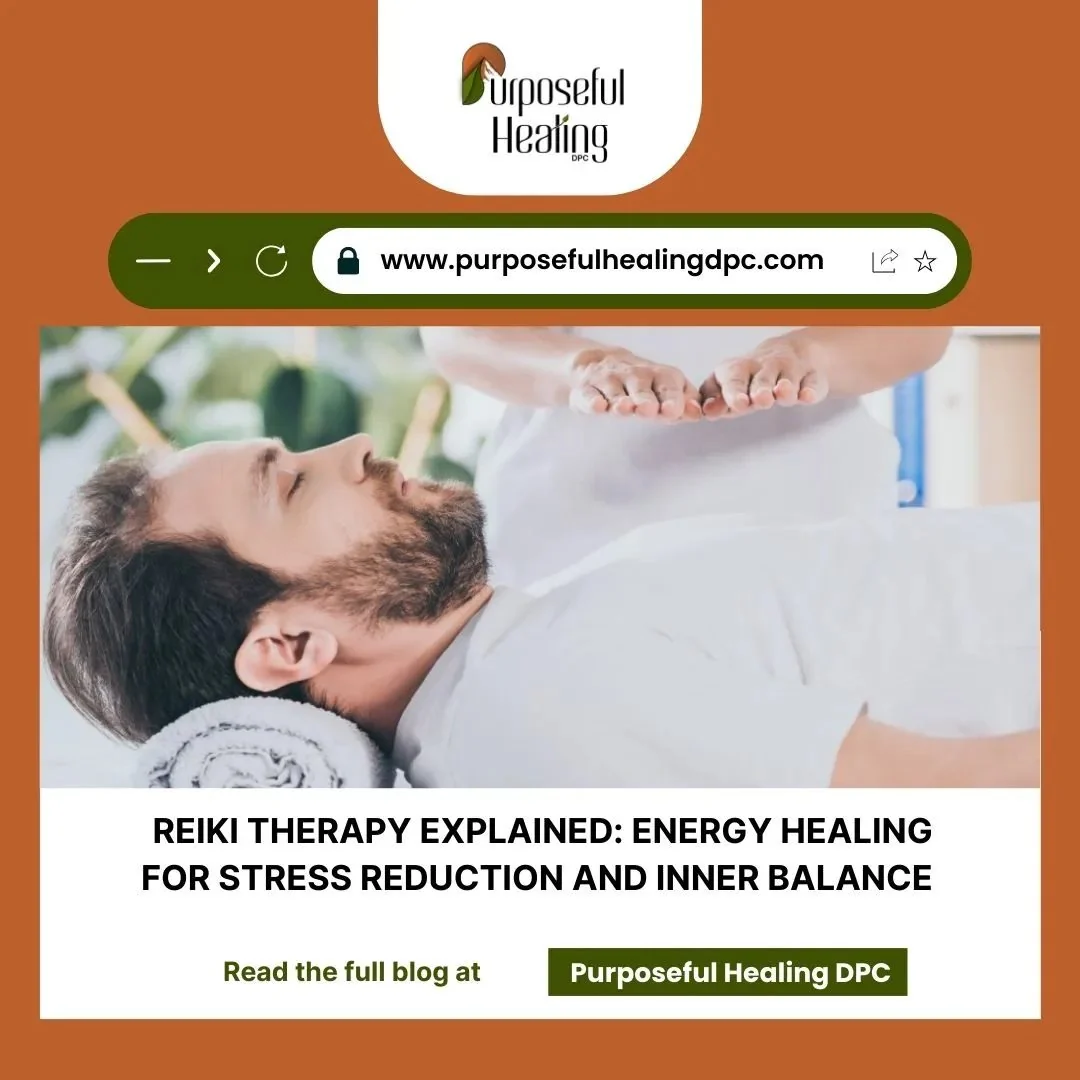
During a Reiki session, the client lies comfortably on a massage table, fully clothed, while the Reiki practitioner gently places their hands over or near the body’s energy centers. The practitioner channels energy into the client’s body to balance and restore energy flow.
Many clients report feeling a sense of warmth, calm, and deep relaxation. This relaxation is believed to activate the body’s natural healing abilities, promoting mental and physical well-being. Reiki sessions may feel like a reiki healing massage, but instead of physical manipulation, the healing comes from subtle energy shifts.
Benefits of Reiki Therapy
What are the benefits of Reiki therapy? Research and client reports suggest that Reiki offers several wellness benefits:
- Stress Relief: Deep relaxation helps reduce stress and anxiety.
- Pain Relief: Reiki can help alleviate chronic pain by promoting relaxation.
- Enhanced Emotional Well-being: Clients often report improved mood and emotional balance.
- Improved Sleep: Relaxation during sessions can lead to better sleep quality.
- Support for Healing: Reiki supports physical healing by reducing stress on the body.
These benefits make Reiki a popular choice for those seeking natural ways to manage stress and improve their overall well-being.
How Many Reiki Sessions Are Needed?
A common question is, how many Reiki sessions are needed to see results. The number of sessions varies depending on individual needs, goals, and the type of healing desired. Generally, clients experience benefits after the first session, but consistent sessions deepen the effects.
Suggested Frequency for Reiki Sessions
- Single Session: A single session can provide relaxation and stress relief.
- Three to Five Sessions: This is often recommended to address more persistent issues or stress.
- Ongoing Monthly Sessions: For long-term well-being, some people choose to include Reiki as part of their wellness routine with monthly or bi-weekly sessions.
A Reiki therapist can assess your needs and create a plan that fits your wellness goals. Each session builds on the last, helping to maintain energy balance and support inner peace.
What to Expect in a Reiki Session
If you’re new to Reiki, here’s what you can expect during a session:
- Initial Consultation: Your Reiki therapist will discuss your goals, health concerns, and what you hope to achieve.
- Relaxation and Preparation: You’ll lie comfortably on a massage table in a calming environment. Soft music may play to enhance relaxation.
- Hands-On or Hands-Off Healing: The practitioner places their hands gently over or near your body. This may feel like a gentle energy healing massage as energy flows through your body.
- End-of-Session Reflection: Many Reiki therapists offer time to discuss what you felt during the session and provide guidance on aftercare.
Reiki is safe and non-invasive, making it accessible for most people. After the session, you may feel deeply relaxed, lighter, or more balanced.
Exploring Different Types of Energy Healing
Reiki is a popular form of energy therapy, but there are other types of energy healing worth exploring. These include:
- Chakra Balancing: Uses energy work to align the body’s energy centers, or chakras, to support well-being.
- Qigong: An ancient Chinese practice that combines energy exercises, breathing, and movement to improve health.
- Therapeutic Touch: Involves lightly placing hands near or on the body to help harmonize energy fields.
Each form of energy healing has unique benefits, and practitioners often recommend choosing based on personal preference and wellness goals.
Understanding the Cost for Reiki Session
The cost for Reiki session varies depending on the practitioner, location, and length of the session. Generally, prices range from $50 to $100 per session, with some practitioners offering package deals for multiple sessions.
For those looking for affordable options, many Reiki centers and practitioners offer sliding scale pricing or community Reiki events. These options allow more people to experience the benefits of Reiki without financial stress.
Reiki Sessions at Purposeful Healing in Dallas
If you’re in Dallas, Texas, there are many skilled Reiki therapists who offer personalized sessions to support relaxation and wellness. Whether you’re new to Reiki or looking to continue your practice, Dallas-based therapists can help you create a healing plan tailored to your needs.
At Purposeful Healing DPC, we support members by connecting them with trusted Reiki therapists in the Dallas area. For those interested in regular sessions, our team can recommend local providers who offer Reiki and other holistic therapies.
FAQs
1. How Many Reiki Sessions Are Needed to See Results?
For general relaxation, a single session may be enough. For deeper healing, three to five sessions are often recommended, with ongoing sessions suggested for long-term support.
2. What Are the Benefits of Reiki Therapy?
Reiki therapy reduces stress, promotes relaxation, and supports healing. It may also improve emotional balance, sleep, and overall well-being.
3. Is Reiki Similar to Massage Therapy?
Reiki can feel similar to a reiki healing massage, but it doesn’t involve physical manipulation. Instead, healing occurs through energy flow, creating a deep sense of relaxation.
4. How Can I Find Reiki Therapists in Dallas, Texas?
There are several skilled Reiki therapists in Dallas. Purposeful Healing DPC can help connect you with trusted Reiki providers in the area.
Conclusion
Reiki is a gentle yet powerful therapy that supports stress reduction, healing, and inner balance. Whether you’re exploring how many Reiki sessions are needed for ongoing well-being or seeking a single session to unwind, Reiki offers a safe, non-invasive way to promote physical and emotional harmony.
At Purposeful Healing DPC, we are dedicated to supporting our members in finding natural paths to health and wellness. If you’re interested in trying Reiki or learning more about energy healing, contact us to explore trusted Reiki therapists in Dallas, Texas, and find the right approach for your needs.
Disclaimer:
This blog is for informational purposes only and does not constitute medical advice. Always seek the guidance of a qualified health provider with any questions regarding your health or a medical condition. Purposeful Healing DPC is dedicated to providing holistic support, but individual care should be based on personal consultations and assessments by a licensed professional.