Reiki for Anxiety: How Energy Healing Can Help Calm Your Mind
 Yaser Elqutub
Living with anxiety can feel mentally and physically exhausting. Many people struggling with chronic stress, panic attacks, racing thoughts, or emotional overwhelm find it difficult to relax even during quiet moments. Anxiety often affects sleep quality, focus, relationships, digestion, energy levels, and overall emotional well-being. Some individuals experience constant muscle tension, chest tightness, irritability, or nervous system overload that makes daily life feel draining and unpredictable.
As anxiety symptoms continue, many people start searching for supportive therapies beyond medication alone. While counseling, lifestyle changes, and medical treatment remain important, interest in complementary therapy anxiety treatment options has grown significantly in recent years. Practices such as meditation, breathwork, massage therapy, and reiki healing for anxiety relief are increasingly used to support nervous system regulation, stress reduction, and emotional relaxation. Many patients are looking for calming energy healing techniques that help them feel more grounded and emotionally balanced.
At Purposeful Healing DPC, we take an integrative and patient-centered approach to emotional wellness through services like reiki healing and energy work, stress and emotional detox services, and holistic wellness support. Our goal is to help patients explore safe and supportive therapies that may complement traditional anxiety treatment plans and improve overall emotional well-being.
What Is Reiki?
Reiki is a form of energy healing for anxiety and relaxation that originated in Japan. The practice involves a trained practitioner placing their hands lightly on or just above the body to promote relaxation, stress reduction, and emotional balance.
Reiki is based on the idea that energy flows throughout the body and that imbalances may contribute to emotional or physical stress. Practitioners aim to support relaxation and encourage the body’s natural healing response.
People commonly seek reiki therapy for mental health concerns such as:
- Anxiety and stress
- Emotional overwhelm
- Sleep disturbances
- Burnout and fatigue
- Panic symptoms
- Chronic tension
Although research on Reiki remains limited compared to conventional medical treatments, many patients report feelings of deep relaxation and emotional calm after sessions.
How Does Reiki Work for Anxiety?
Many patients ask: how does reiki work for anxiety? While Reiki is not fully understood scientifically, one possible explanation is that the experience promotes parasympathetic nervous system relaxation. This is the part of the nervous system responsible for the body’s “rest and digest” state.
During periods of chronic anxiety, the body may remain stuck in:
- Elevated stress responses
- Muscle tension
- Increased cortisol levels
- Rapid breathing
- Hypervigilance
Reiki sessions often encourage:
- Slow breathing
- Physical stillness
- Reduced mental stimulation
- Emotional grounding
- Somatic stress release
This calming environment may help the body shift away from constant stress activation.
Some patients describe reiki for stress and anxiety as similar to guided meditation or deep relaxation therapy.
Does Reiki Really Help With Anxiety?
One of the most common questions is: does reiki really help with anxiety?
The answer depends on expectations and individual experiences.
Reiki is not considered a standalone medical cure for anxiety disorders. However, some people find that Reiki helps:
- Reduce stress levels
- Improve emotional calmness
- Support relaxation
- Improve sleep quality
- Decrease feelings of overwhelm
Patients who respond positively often describe:
- Feeling emotionally lighter
- Reduced physical tension
- Improved mood
- Better ability to relax after sessions
Reiki may work best as part of a broader holistic anxiety treatment Dallas approach that includes:
- Therapy or counseling
- Lifestyle changes
- Sleep support
- Stress management
- Physical activity
- Medical care when necessary
This article on mindfulness exercises for anxiety and depression explores additional calming strategies that may support emotional wellness naturally.
Reiki for Panic Attacks and Stress Overload
People dealing with panic symptoms often experience intense nervous system activation, muscle tension, and emotional fear responses.
Reiki for panic attacks may help support:
- Slower breathing patterns
- Physical relaxation
- Reduced muscular tension
- Emotional grounding
Sessions are generally quiet, slow-paced, and calming, which may help some individuals feel safer and more relaxed during periods of emotional overwhelm.
Some patients also explore chakra healing anxiety practices because they believe emotional stress can affect energetic balance throughout the body.
Although scientific evidence around chakra healing remains limited, many people subjectively report emotional comfort from these practices.
What to Expect During Reiki for Anxiety
Patients often search: first time reiki session for anxiety what to expect.
A typical Reiki session usually includes:
- Quiet surroundings
- Soft lighting or calming music
- Lying comfortably on a massage table
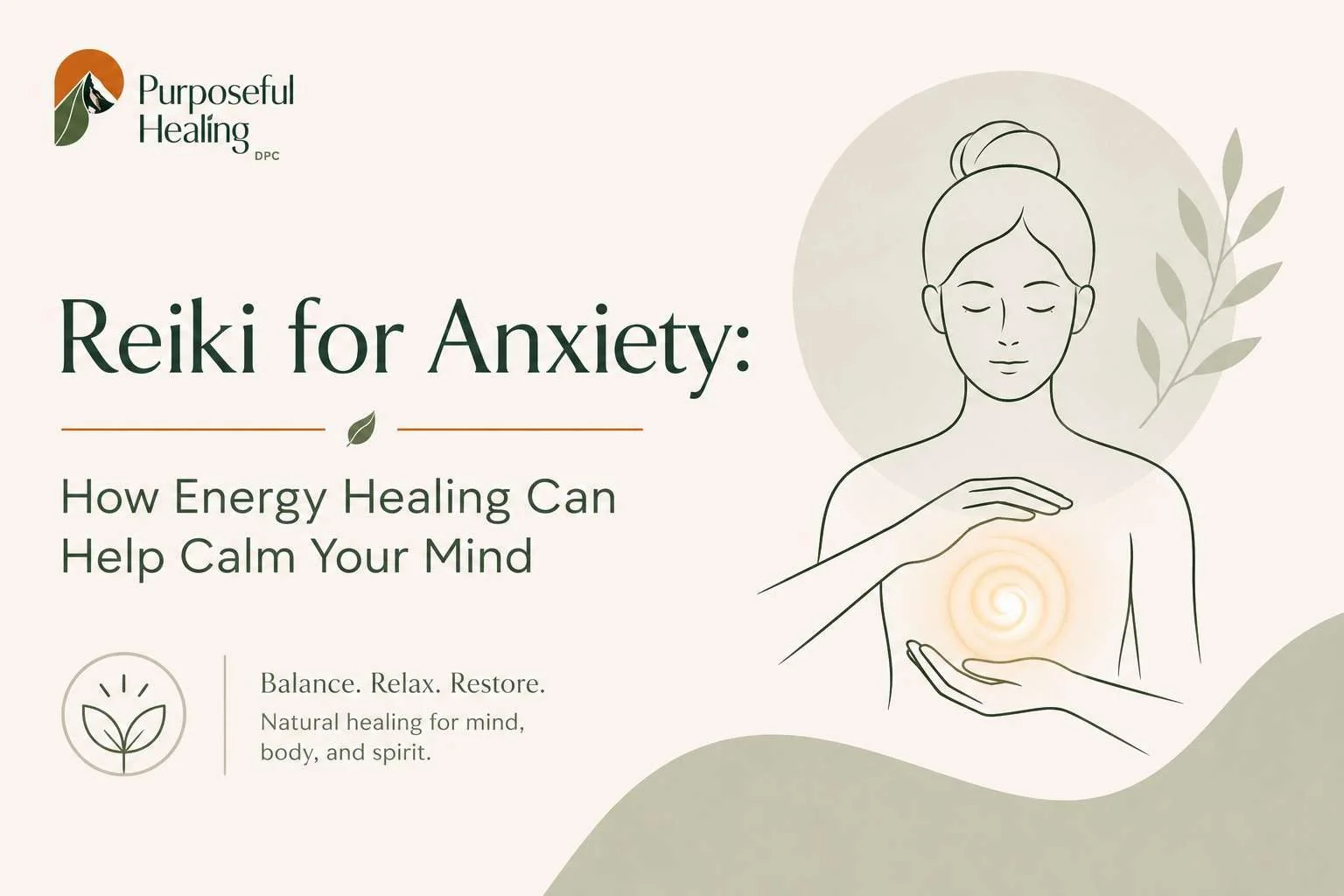
- Gentle hand placements or hands hovering above the body
During the session, some people report:
- Warm sensations
- Tingling feelings
- Emotional release
- Deep relaxation
- Sleepiness or mental calmness
Others may simply feel peaceful and rested afterward.
Most sessions last between:
- 30 to 60 minutes depending on the provider and treatment goals
Patients interested in reiki healing Dallas services often combine sessions with other wellness-focused therapies for more comprehensive stress support.
How Many Reiki Sessions for Anxiety?
Another common question is: how many reiki sessions for anxiety are needed?
There is no universal answer because experiences vary significantly between individuals.
Some people notice relaxation benefits after:
- One session
Others may prefer:
- Weekly or ongoing sessions for stress management support
Factors influencing results may include:
- Anxiety severity
- Stress levels
- Sleep quality
- Emotional health
- Lifestyle habits
- Other ongoing treatments
Reiki is usually approached as a supportive wellness practice rather than a one-time medical treatment.
Can Reiki Replace Medication for Anxiety?
Patients frequently ask: can reiki replace medication for anxiety?
The honest answer is no, Reiki should not replace prescribed medical treatment without professional medical supervision.
For moderate or severe anxiety disorders, treatment may require:
- Therapy
- Medication
- Psychiatric care
- Lifestyle interventions
- Nervous system regulation strategies
Reiki is considered a complementary therapy anxiety treatment rather than a replacement for evidence-based mental healthcare.
However, some patients use Reiki alongside:
- Counseling
- Cognitive behavioral therapy
- Breathwork
- Meditation
- Lifestyle counseling
This combined approach may help improve overall emotional wellness and stress management.
You can also explore this guide on meditation and breathing techniques for inner peace for additional natural stress reduction practices.
Reiki for Anxiety vs Meditation: Which Is Better?
Patients often compare reiki for anxiety vs meditation which is better.
The truth is that both approaches serve different purposes.
Meditation focuses on:
- Attention training
- Mindfulness
- Breath awareness
- Mental discipline
Reiki focuses more on:
- Passive relaxation
- Energy-focused healing practices
- Physical stillness
- Emotional calming environments
Some people struggle with meditation because quieting the mind feels difficult during anxiety. Reiki may feel easier for those individuals because it requires less active mental focus.
Others may prefer meditation because it is self-guided and evidence-supported for stress reduction.
In reality, many patients use both practices together.
Reiki Combined With Therapy for Anxiety
Reiki combined with therapy for anxiety is becoming increasingly common in integrative wellness settings.
A more comprehensive care plan may include:
- Talk therapy
- Stress management coaching
- Physical relaxation techniques
- Sleep improvement strategies
- Movement therapy
- Energy healing sessions
Patients seeking holistic anxiety treatment Dallas services often benefit most when emotional wellness is approached from multiple angles rather than relying on a single intervention.
This article on compassionate care for depression and emotional wellness discusses additional supportive approaches for emotional balance and mental wellness.
Conclusion
Anxiety can affect both the mind and body in ways that interfere with sleep, focus, relationships, and overall quality of life. While Reiki is not a replacement for medical or psychological treatment, many individuals use reiki healing for anxiety relief as part of a broader stress management and emotional wellness routine.
By promoting deep relaxation, nervous system calming, and emotional stillness, Reiki may help some people feel more grounded and supported during periods of stress and anxiety.
At Purposeful Healing DPC, we provide integrative wellness services designed to support emotional health through personalized, compassionate, and holistic care strategies.
FAQs
Does Reiki help with anxiety?
Some people report feeling calmer, more relaxed, and emotionally balanced after Reiki sessions, although experiences vary.
Is Reiki safe for people with anxiety disorders?
Reiki is generally considered low risk when performed by a trained practitioner, but it should complement rather than replace professional medical care.
What does Reiki for anxiety feel like?
Many patients describe feelings of warmth, calmness, emotional release, or deep relaxation during sessions.
Can Reiki stop panic attacks?
Reiki may help support relaxation and emotional grounding, but it is not considered a guaranteed treatment for panic attacks.
How many Reiki sessions are needed for anxiety?
Some people notice benefits after one session, while others prefer ongoing sessions for stress management support.
Can Reiki replace anxiety medication?
No. Reiki should not replace prescribed medications or mental health treatment without medical supervision.
What is the difference between Reiki and meditation?
Meditation focuses on mindfulness and mental training, while Reiki emphasizes passive relaxation and energy healing techniques.
Does Reiki reduce stress hormones?
Some people believe Reiki may support cortisol reduction holistic therapy goals through relaxation, although research remains limited.
Can Reiki be combined with therapy?
Yes. Many people combine Reiki with counseling, mindfulness practices, or other stress management strategies.
What should I expect during my first Reiki session?
Sessions are usually quiet and relaxing, involving gentle hand placements and a calm environment designed to support relaxation.
Disclaimer
This content is for educational purposes only and should not replace professional medical or mental health advice. Individuals experiencing anxiety, panic attacks, or emotional distress should consult qualified healthcare professionals for personalized diagnosis and treatment recommendations.