OMT in Texas: Benefits, Process, and What to Expect During Your First Visit
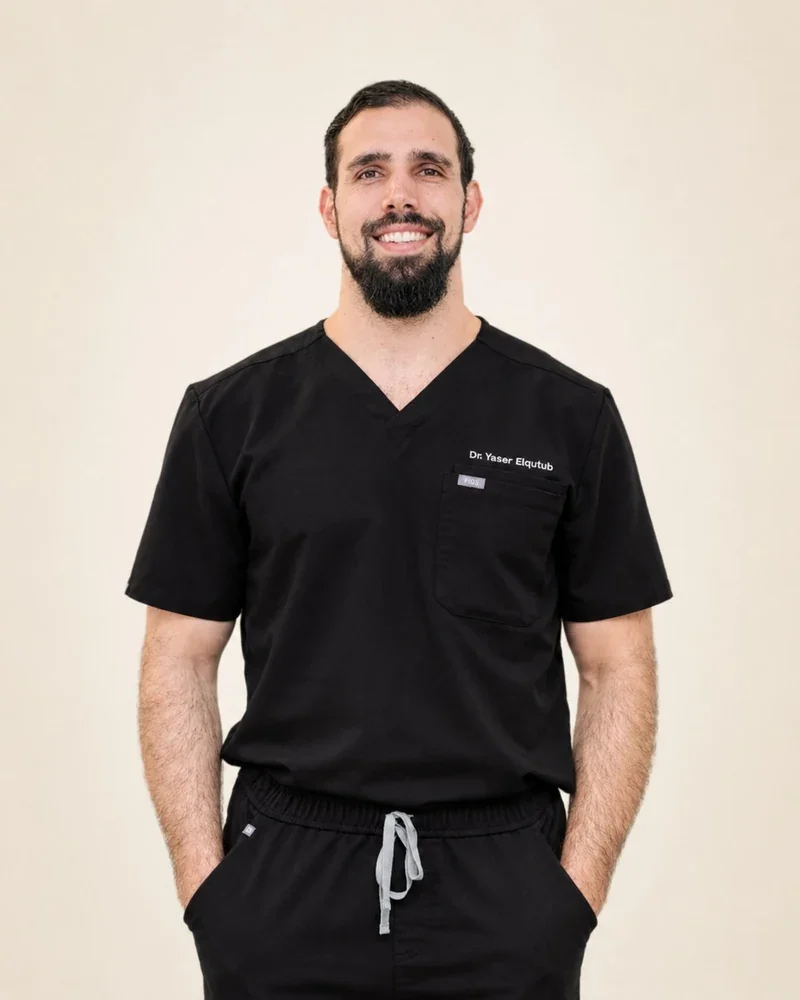 Yaser Elqutub
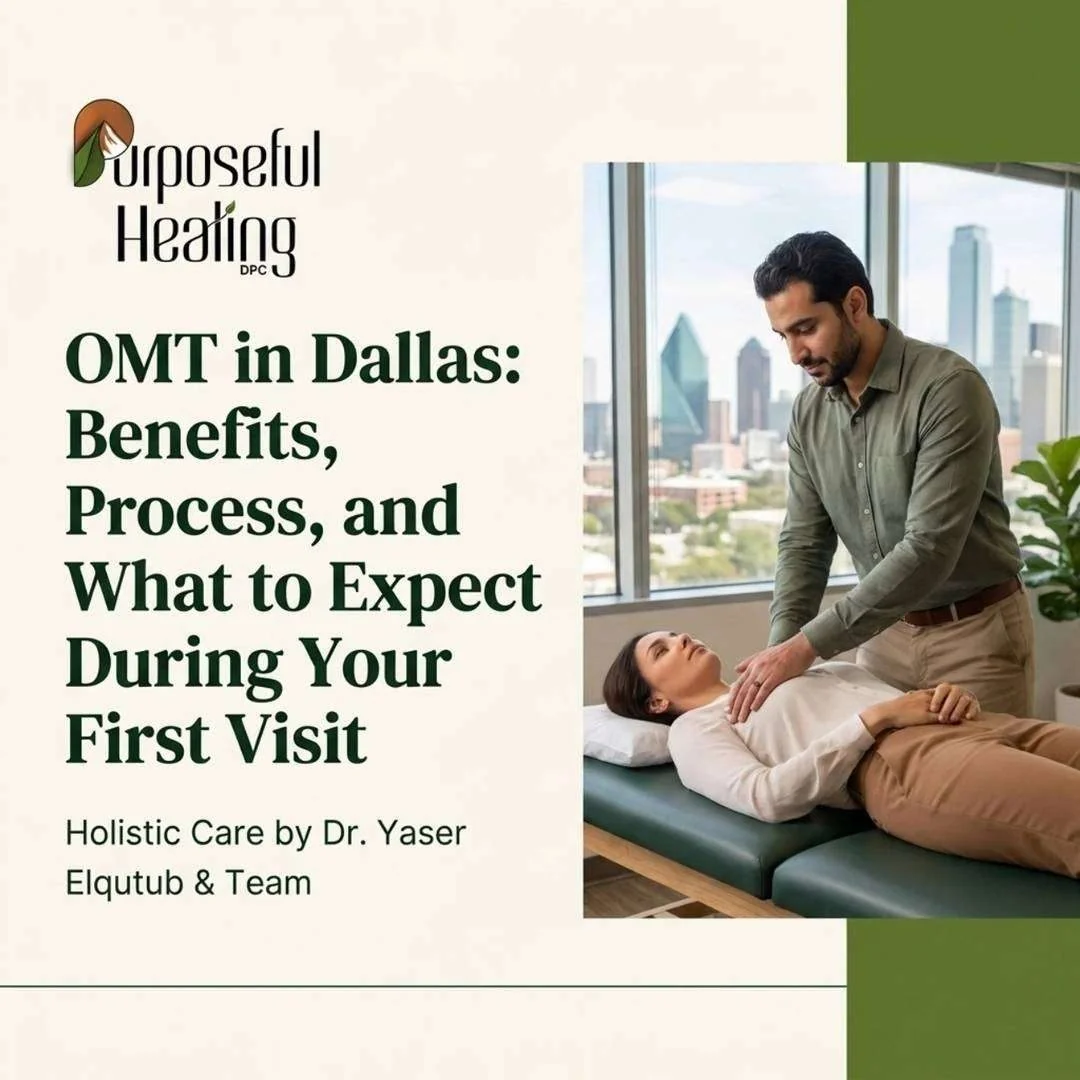
Living with ongoing pain, stiffness, limited mobility, or physical discomfort can affect almost every part of your daily life. Simple activities such as walking, exercising, working at a desk, or spending time with family can become more difficult when your body is not moving and functioning properly.
Many people experience frustration when traditional approaches do not fully address their discomfort or when they are looking for a more personalized healthcare option. They want a treatment approach that focuses not only on symptoms but also on improving body function and supporting overall wellness.
This is why many patients explore OMT in Texas, also known as osteopathic manipulative treatment. OMT is a hands-on healthcare approach used by trained physicians to evaluate and support concerns involving muscles, joints, tissues, and the body’s structural system.
Unlike approaches that focus only on one area of discomfort, osteopathic manipulative treatment considers how different parts of the body work together. It is designed to support movement, improve function, and complement a patient’s overall healthcare plan.
At Purposeful Healing Direct Primary Care in Texas, Dr. Yaser Elqutub combines primary care expertise with holistic and functional medicine principles to provide personalized healthcare. Through approaches such as osteopathic manipulative therapy, preventive care, and individualized wellness strategies, the goal is to understand each patient’s needs and support better long-term health outcomes.
What Is OMT and How Does It Help?
Osteopathic manipulative treatment (OMT) is a hands-on medical technique used by trained physicians to evaluate and support the function of muscles, joints, and body tissues.
OMT may help patients by:
- Improving mobility
- Supporting joint and muscle function
- Reducing physical discomfort
- Addressing movement restrictions
- Supporting overall wellness as part of a personalized healthcare plan
OMT is not a replacement for necessary medical treatment. Instead, it is often used alongside preventive care, lifestyle strategies, and other healthcare approaches.
| Aspect | Osteopathic Manipulative Treatment (OMT) |
| Treatment Type | Hands-on medical technique |
| Main Focus | Muscles, joints, tissues, movement, and body function |
| Performed By | Trained osteopathic physicians |
| Approach | Personalized based on individual evaluation |
| Common Goals | Improve mobility, support function, reduce discomfort |
| Treatment Style | Non-invasive and patient-focused |
What Is Osteopathic Manipulative Treatment (OMT)?
Osteopathic manipulative treatment, commonly known as OMT, is a hands-on healthcare technique used by osteopathic physicians to evaluate, treat, and support the body’s natural ability to function effectively.
During OMT, a physician uses manual techniques involving muscles, joints, and soft tissues to improve movement and address areas of restriction or tension.
The foundation of this approach comes from osteopathic medicine, which recognizes that the body functions as a connected system. This means that changes in one area of the body may influence other areas.
For example, posture, muscle tension, joint mobility, and movement patterns can all affect how a person feels and performs daily activities.
Osteopathic manipulative treatment focuses on understanding these relationships and creating a treatment approach based on each patient’s specific needs.
How Does OMT Work?
During osteopathic manipulative treatment, a physician first evaluates the patient’s movement, posture, muscle condition, and areas of discomfort.
The provider may assess:
- Joint mobility
- Muscle tension
- Movement patterns
- Body alignment
- Areas of restriction
Based on this evaluation, the physician selects appropriate techniques designed around the patient’s condition and comfort level.
The goals of OMT may include:
Improving Mobility
Restricted movement can make everyday activities more challenging.
OMT techniques may help improve movement in areas where stiffness, tension, or limited mobility are present.
Improved mobility may help patients move more comfortably during daily activities.
For individuals looking for additional movement support, physical therapy may also be considered as part of a broader wellness and recovery plan.
Supporting Body Function
The body works as an interconnected system.
OMT focuses on improving how muscles, joints, and tissues work together to support better physical function.
Rather than focusing only on the location of discomfort, this approach considers possible factors that may contribute to movement limitations.
Reducing Physical Discomfort
Certain OMT techniques may help address muscle tension, joint restrictions, and movement-related discomfort.
The goal is not only to focus on where discomfort occurs but also to understand possible contributing factors.
Patients experiencing ongoing discomfort may also benefit from approaches such as pain management that focus on identifying and supporting individual healthcare needs.
Supporting Natural Recovery
OMT supports the body’s ability to maintain balance and function.
When combined with healthy lifestyle habits and personalized healthcare, it may become part of a broader wellness strategy.
Principles Behind Osteopathic Medicine
Osteopathic medicine is based on the idea that the body is a connected unit and that structure and function influence each other.
This approach recognizes several important principles:
The Body Functions as a Whole
The muscles, joints, tissues, and other systems of the body are interconnected.
A concern in one area may influence movement and comfort in another area.
Structure and Function Are Connected
The way the body is positioned and moves can influence how it functions.
OMT considers these connections when evaluating physical concerns.
Healthcare Should Support the Body’s Natural Processes
Osteopathic medicine focuses on supporting the body’s ability to maintain balance while addressing health concerns through appropriate medical care.
Treatment Should Be Personalized
Every patient has different needs.
OMT techniques are selected based on:
- Health history
- Symptoms
- Physical evaluation
- Movement patterns
- Individual goals
A personalized approach helps ensure that treatment recommendations match each patient’s condition and healthcare goals.
What Makes OMT Different From Other Hands-On Treatments?
Osteopathic manipulative treatment and other hands-on therapies may appear similar because they involve physical techniques. However, OMT is performed by trained osteopathic physicians who evaluate patients as part of a broader medical healthcare approach.
Unlike some approaches that focus only on a specific area of discomfort, OMT considers the relationship between different parts of the body and how they influence overall function.
Osteopathic manipulative treatment is integrated with:
- Medical history evaluation
- Physical examination
- Preventive healthcare
- Personalized treatment planning
This allows the treatment approach to consider the patient’s overall health rather than focusing only on one symptom or body area.
A physician evaluates each patient individually to determine which techniques may be appropriate based on health history, symptoms, and physical findings.
What Conditions Can OMT Help Address?
Osteopathic manipulative treatment may be used to support individuals experiencing different types of physical discomfort, mobility limitations, and musculoskeletal concerns.
It is often included as part of a broader healthcare plan rather than being used as the only treatment approach.
A physician evaluates each patient individually to determine whether OMT is appropriate based on:
- Symptoms
- Medical history
- Physical condition
- Healthcare goals
- Overall treatment plan
Common concerns where OMT may be considered include:
Back Discomfort
Back discomfort is one of the common reasons people explore hands-on treatment options.
OMT may help address factors that contribute to discomfort, such as:
- Muscle tension
- Limited movement
- Posture-related strain
- Restricted mobility
By evaluating the relationship between muscles, joints, and movement patterns, OMT may support improved comfort and function.
For individuals dealing with ongoing discomfort, additional approaches such as chronic pain management may also be considered as part of a comprehensive healthcare strategy.
Neck Stiffness and Mobility Concerns
Neck stiffness can affect daily activities such as working at a computer, exercising, driving, or sleeping comfortably.
OMT techniques may be used to evaluate and support:
- Neck mobility
- Muscle tension
- Movement restrictions
- Areas of discomfort
The treatment approach depends on the individual’s condition and overall health needs.
Joint Restrictions
Restricted joint movement can make certain activities more difficult.
OMT may help support joint function by using controlled techniques designed to improve mobility and movement patterns.
A physician evaluates the affected area to determine which techniques may be appropriate.
For certain joint-related concerns, other treatments such as joint injections may also be considered depending on the patient’s condition and healthcare goals.
Muscle Tension and Soft Tissue Concerns
Tight muscles and soft tissue restrictions can affect movement and comfort.
OMT may include techniques that focus on:
- Relaxing muscle tension
- Supporting flexibility
- Improving tissue movement
- Enhancing physical function
Soft tissue evaluation helps physicians understand how muscles and surrounding structures may contribute to discomfort.
Posture and Movement-Related Issues
Daily habits, work positions, and activity patterns can influence posture and body mechanics.
OMT may help evaluate how posture and movement patterns affect physical function.
This may be especially helpful for individuals experiencing discomfort related to:
- Sitting for long periods
- Repetitive activities
- Physical strain
- Limited mobility
Every patient is different, and a healthcare provider can determine whether OMT is suitable based on individual needs.
Benefits of OMT in Texas
Many patients searching for hands-on healthcare options are looking for a personalized approach that focuses on improving function rather than only addressing symptoms.
OMT provides a unique approach because treatment is based on an individual evaluation of the patient’s body structure, movement patterns, and health goals.
Potential benefits of osteopathic manipulative treatment include:
Improved Mobility and Flexibility
Limited mobility can affect exercise, work activities, and daily movement.
OMT techniques may help support improved range of motion by addressing areas of stiffness, tension, or restricted movement.
Better mobility may help patients perform daily activities more comfortably and maintain healthier movement patterns.
For patients working on improving physical function, combining OMT with physical therapy may provide additional support based on individual needs.
Personalized Hands-On Care
One of the key benefits of OMT is that treatment is customized for each patient.
Instead of using the same approach for everyone, an osteopathic physician evaluates:
- Body mechanics
- Movement patterns
- Areas of discomfort
- Muscle and joint function
This allows the treatment plan to be based on the patient’s specific needs.
A personalized approach may help patients feel more involved in their healthcare journey.
Non-Invasive Treatment Approach
Many patients appreciate OMT because it is a non-invasive healthcare option.
Unlike procedures that require surgery or invasive interventions, OMT uses hands-on techniques performed by a trained physician.
This makes it a potential option for individuals looking for conservative approaches to support physical function.
However, OMT is not a replacement for necessary medical treatments. A healthcare provider can determine whether it should be included as part of a larger treatment plan.
Whole-Body Healthcare Perspective
Osteopathic medicine recognizes that the body functions as an interconnected system.
OMT considers how different areas of the body may influence movement and overall function.
For example, posture, muscle balance, and joint mobility can all affect how a person moves and feels.
This whole-body perspective allows providers to consider more than just the location of discomfort.
What to Expect During Your First OMT Visit
If you are considering osteopathic manipulative treatment, understanding what happens during your first appointment can help you feel more prepared.
Your first visit usually begins with a detailed discussion about your health history, current concerns, lifestyle habits, and personal goals.
The goal is to understand your overall health before developing a personalized treatment approach.
Health Evaluation and Consultation
During your first visit, your physician may discuss:
Current Symptoms
Your provider may ask questions about:
- Where discomfort occurs
- How symptoms affect daily activities
- When symptoms started
- Factors that improve or worsen your concerns
This helps create a better understanding of your condition and how it affects your daily life.
Medical History
Your healthcare provider may review:
- Previous injuries
- Medical conditions
- Past treatments
- Current healthcare concerns
Understanding your history helps ensure treatment decisions are personalized and appropriate.
Lifestyle Factors
Lifestyle habits can influence physical health, movement, and recovery.
Your provider may discuss:
- Activity levels
- Work demands
- Exercise routines
- Sleep habits
- Stress levels
Considering these factors allows the physician to create a more complete healthcare plan.
Patients who want a broader healthcare approach that includes lifestyle and wellness factors may also benefit from functional medicine in Dallas strategies that focus on personalized care.
Personal Health Goals
Every patient has different goals.
Some individuals may want to:
- Improve mobility
- Reduce discomfort
- Support physical function
- Return to certain activities
Understanding your goals helps guide the treatment approach.
Physical Assessment During Your First OMT Visit
After discussing your health history, symptoms, and goals, your physician will typically perform a physical assessment to better understand how your body is functioning.
This evaluation helps identify areas where movement, posture, muscle tension, or joint mobility may be affecting your comfort and daily activities.
During the assessment, your physician may evaluate:
Movement Patterns
Your provider may observe how you move during simple activities.
This can help identify:
- Areas of limited movement
- Differences in body mechanics
- Movement restrictions
- Patterns that may contribute to discomfort
Understanding movement patterns allows the treatment approach to be more personalized.
Posture Evaluation
Posture can influence how the body moves and distributes stress.
Your physician may evaluate:
- Alignment
- Body positioning
- Muscle balance
- Areas of tension
This information helps determine whether certain physical patterns may be affecting your comfort or mobility.
Muscle and Tissue Assessment
The physician may examine areas of muscle tension or soft tissue restriction.
This evaluation may help identify:
- Tight muscles
- Areas of sensitivity
- Tissue restrictions
- Imbalances affecting movement
Joint Mobility Evaluation
Joint movement plays an important role in overall function.
Your physician may assess:
- Range of motion
- Joint flexibility
- Areas of restriction
- Movement quality
Based on these findings, the provider can determine which osteopathic techniques may be appropriate.
Common OMT Techniques
Osteopathic physicians use different hands-on techniques depending on the patient’s needs, symptoms, and physical evaluation.
The goal is to support movement, improve function, and address areas of restriction in a safe and personalized way.
Common techniques include:
Soft Tissue Techniques
Soft tissue techniques focus on muscles and surrounding tissues.
These techniques may help:
- Reduce muscle tension
- Support relaxation
- Improve tissue movement
- Enhance comfort
They are often used when muscle tightness or soft tissue restrictions affect mobility.
Stretching Techniques
Gentle stretching techniques may be used to improve flexibility and movement.
These techniques are customized based on the patient’s comfort level and physical condition.
The goal is to encourage better mobility without placing unnecessary strain on the body.
Joint Mobilization
Joint mobilization involves controlled movements designed to support joint function.
These techniques may help address:
- Limited joint movement
- Stiffness
- Reduced mobility
The physician determines the appropriate technique based on the individual assessment.
Myofascial Techniques
Myofascial techniques focus on connective tissues that surround muscles and other structures.
These techniques may help address areas of tension that affect movement and comfort.
Gentle Manipulation Techniques
Some osteopathic approaches involve gentle movements intended to restore motion in restricted areas.
The specific technique used depends on:
- Patient condition
- Treatment goals
- Physical evaluation
- Comfort level
Your physician will discuss the approach before treatment begins.
How OMT Fits Into Functional and Holistic Healthcare
At Purposeful Healing Direct Primary Care in Texas, osteopathic manipulative treatment is part of a broader approach to personalized healthcare.
OMT is not viewed as an isolated treatment. Instead, it can be combined with preventive care, lifestyle strategies, and functional medicine principles to support overall wellness.
Dr. Yaser Elqutub focuses on understanding each patient as a whole person by considering:
- Physical health
- Lifestyle habits
- Daily routines
- Wellness goals
- Preventive healthcare needs
A comprehensive healthcare approach may include:
Preventive Healthcare Planning
Preventive care focuses on supporting health before concerns become more complicated.
This may include:
- Regular health evaluations
- Monitoring important health factors
- Creating wellness strategies
- Supporting healthier habits
Regular preventive visits, including an annual physical, can help patients stay proactive about their overall health.
Lifestyle Guidance
Daily habits can influence physical function and overall wellness.
A personalized plan may include support related to:
- Nutrition
- Physical activity
- Sleep habits
- Stress management
Lifestyle-focused care helps patients create sustainable changes that support long-term wellness
Personalized Treatment Strategies
Every patient has different needs.
OMT and other healthcare recommendations are adjusted based on:
- Health history
- Symptoms
- Physical findings
- Personal goals
This individualized approach helps create care plans that are more relevant to each person.
Long-Term Health Support
Ongoing healthcare relationships allow treatment plans to evolve over time.
As your health goals, lifestyle, and needs change, your care approach can be adjusted accordingly.
A direct primary care services model may support ongoing communication and personalized healthcare planning.
Why Choose OMT in Texas at Purposeful Healing DPC?
Choosing the right provider for osteopathic manipulative treatment involves more than finding a treatment option. It is also about finding a healthcare approach that understands your individual needs.
At Purposeful Healing Direct Primary Care in Texas, Dr. Yaser Elqutub combines OMT with personalized primary care, preventive strategies, and holistic wellness principles.
Patients receive care that considers:
- Physical health
- Lifestyle habits
- Daily routines
- Wellness goals
- Long-term health needs
The goal is not only to address physical discomfort but also to understand the factors that may influence overall function and wellness.
Patients may benefit from:
Personalized Attention
Every patient has unique health concerns and goals.
The care approach focuses on understanding:
- Your symptoms
- Your health history
- Your lifestyle
- Your desired outcomes
A personalized evaluation helps create a treatment plan that matches your specific needs.
Comprehensive Healthcare Approach
OMT is combined with a broader healthcare strategy rather than being treated as a standalone service.
This allows patients to receive support that considers both physical concerns and overall wellness.
A comprehensive approach may include:
- Preventive healthcare
- Lifestyle guidance
- Movement support
- Personalized wellness strategies
Patients interested in a broader healthcare model may also explore direct primary care services to understand how ongoing personalized care can support long-term health.
Patient-Focused Visits
Meaningful healthcare requires communication.
A patient-centered approach allows time to:
- Discuss concerns
- Ask questions
- Understand treatment recommendations
- Create realistic health goals
Better communication helps patients feel more involved in their healthcare decisions.
Whole-Person Wellness
Osteopathic medicine recognizes the connection between physical health, lifestyle, and overall wellness.
Purposeful Healing DPC considers how different factors may influence:
- Movement
- Comfort
- Daily function
- Long-term health
The goal is to help patients develop sustainable strategies that support better health outcomes.
Is OMT Right for You?
Osteopathic manipulative treatment may be a helpful option for individuals looking for a personalized, hands-on approach to improving movement, supporting body function, and addressing certain physical concerns.
However, OMT is not the right choice for every person or every condition.
The best treatment approach depends on several factors, including:
- Your symptoms
- Your medical history
- Your physical condition
- Your healthcare goals
- Your overall treatment plan
A qualified healthcare provider can evaluate your needs and determine whether osteopathic treatment may be an appropriate option for you.
OMT may be considered for individuals looking for support with:
- Muscle tension
- Limited mobility
- Joint stiffness
- Movement-related discomfort
- Posture concerns
- Overall physical wellness
Before beginning treatment, your physician will evaluate your condition and discuss whether this approach fits your healthcare needs.
For patients experiencing ongoing discomfort, additional services such as pain management may also be considered depending on individual health goals.
Tips for Supporting Your Results After OMT
OMT works best when combined with healthy lifestyle habits and personalized healthcare guidance.
Supporting your body after treatment may include:
Stay Physically Active
Regular movement can support strength, flexibility, and mobility.
Activities such as walking, stretching, and appropriate exercise may help maintain healthy movement patterns.
Your healthcare provider can recommend activities based on your individual needs.
Maintain Healthy Posture
Daily posture habits can influence how your body moves and functions.
Consider:
- Adjusting your workstation setup
- Taking movement breaks during long periods of sitting
- Practicing proper body mechanics during activities
Small adjustments throughout the day can help reduce unnecessary strain.
Prioritize Quality Sleep
Sleep plays an important role in recovery and overall wellness.
Healthy sleep habits may include:
- Maintaining a consistent sleep schedule
- Creating a comfortable sleep environment
- Reducing distractions before bedtime
Good sleep supports the body’s natural recovery processes.
Manage Stress Levels
Stress can influence many areas of health, including muscle tension, energy levels, and overall wellness.
Stress management strategies may include:
- Relaxation techniques
- Regular physical activity
- Mindfulness practices
- Healthy daily routines
Managing stress can support a more balanced approach to health.
Follow Personalized Healthcare Recommendations
Every patient has different needs.
Following your provider’s recommendations regarding movement, lifestyle habits, and ongoing care can help support long-term wellness.
OMT in Texas: Supporting Better Health Through Personalized Care
Osteopathic manipulative treatment provides a unique healthcare approach that focuses on improving movement, supporting body function, and addressing physical concerns through personalized hands-on care.
Unlike approaches that focus only on symptoms, OMT considers how different parts of the body work together and how structural health may influence overall function.
For many patients, OMT can be a valuable addition to a broader healthcare plan that includes preventive care, lifestyle support, and personalized wellness strategies.
At Purposeful Healing Direct Primary Care in Texas,Dr. Yaser Elqutub combines primary care expertise with holistic and functional medicine principles to provide patient-centered healthcare.
Through personalized evaluations, osteopathic manipulative treatment, and comprehensive wellness strategies, patients receive care designed around their individual needs and long-term health goals.
If you are interested in learning whether this hands-on treatment approach is right for you, schedule a consultation with Purposeful Healing Direct Primary Care and explore a more personalized approach to supporting your health.
Key Takeaways
- OMT is a hands-on healthcare approach used by trained physicians to support movement, mobility, and body function.
- Osteopathic manipulative treatment focuses on the connection between muscles, joints, tissues, and overall physical health.
- OMT may support concerns such as stiffness, limited mobility, muscle tension, and movement-related discomfort.
- The first OMT visit usually includes a health discussion, physical assessment, and personalized treatment planning.
- Different techniques are selected based on each patient’s individual needs.
- OMT can complement preventive care, functional medicine, and healthy lifestyle strategies.
- A personalized healthcare approach helps determine whether OMT is appropriate for your specific goals.
FAQs
1. What is OMT in Texas?
OMT in Texas refers to osteopathic manipulative treatment provided by trained healthcare professionals using hands-on techniques to evaluate and support movement, mobility, and body function.
It is often used as part of a personalized healthcare approach.
2. What happens during your first OMT appointment?
Your first visit typically begins with a discussion about your health history, symptoms, lifestyle, and goals.
The physician may then perform a physical assessment to evaluate movement, posture, muscle tension, and joint mobility before developing a personalized treatment approach.
3. Is osteopathic manipulative treatment painful?
Most techniques are designed to be gentle and performed according to the patient’s comfort level.
Some individuals may experience mild temporary soreness after treatment, similar to what can occur after physical activity.
4. How long does an OMT session take?
The length of a session depends on your individual evaluation, treatment needs, and healthcare goals.
Your provider can explain what to expect based on your specific appointment.
5. What conditions can OMT help with?
OMT may support individuals experiencing concerns related to:
- Muscle tension
- Joint restrictions
- Limited mobility
- Posture-related issues
- Certain types of physical discomfort
The appropriate treatment depends on each patient’s health history.
6. Is OMT the same as chiropractic treatment?
OMT and chiropractic care both involve hands-on techniques, but they are different healthcare approaches.
OMT is performed by osteopathic physicians who receive medical training and integrate this treatment into broader medical care.
7. How often should I receive OMT?
The recommended frequency depends on:
- Your condition
- Health goals
- Symptoms
- Provider recommendations
Some patients may need occasional treatment, while others may benefit from a structured plan.
8. Can OMT replace traditional medical treatment?
OMT is generally used as part of a comprehensive healthcare plan and does not replace necessary medical treatments, medications, procedures, or specialist care.
Your healthcare provider can determine how OMT fits into your overall treatment strategy.
9. Is OMT safe for everyone?
OMT is considered safe for many individuals when performed by qualified healthcare professionals.
However, your provider will evaluate your health history and determine whether it is appropriate for your situation.
10. How do I find osteopathic manipulative medicine in Texas?
When looking for osteopathic manipulative medicine in Texas, consider a provider’s medical training, experience, healthcare approach, and ability to provide personalized care.
A provider who understands your goals can help create a more effective treatment experience.
Medical Disclaimer
This article is intended for educational purposes only and should not replace professional medical advice, diagnosis, or treatment.
Always consult a qualified healthcare professional regarding your personal health concerns, medical conditions, medications, or before starting any new treatment approach.