
Osteopathic Manipulative Treatment (OMT) in Dallas, TX
Osteopathic manipulative treatment (OMT) is hands-on care performed by a doctor of osteopathic medicine (DO). The doctor uses stretching, gentle pressure and resistance to ease muscle tension, improve joint movement and reduce pain. At Purposeful Healing in Dallas, OMT is provided by our DO physicians during your visit.
What Is OMT?
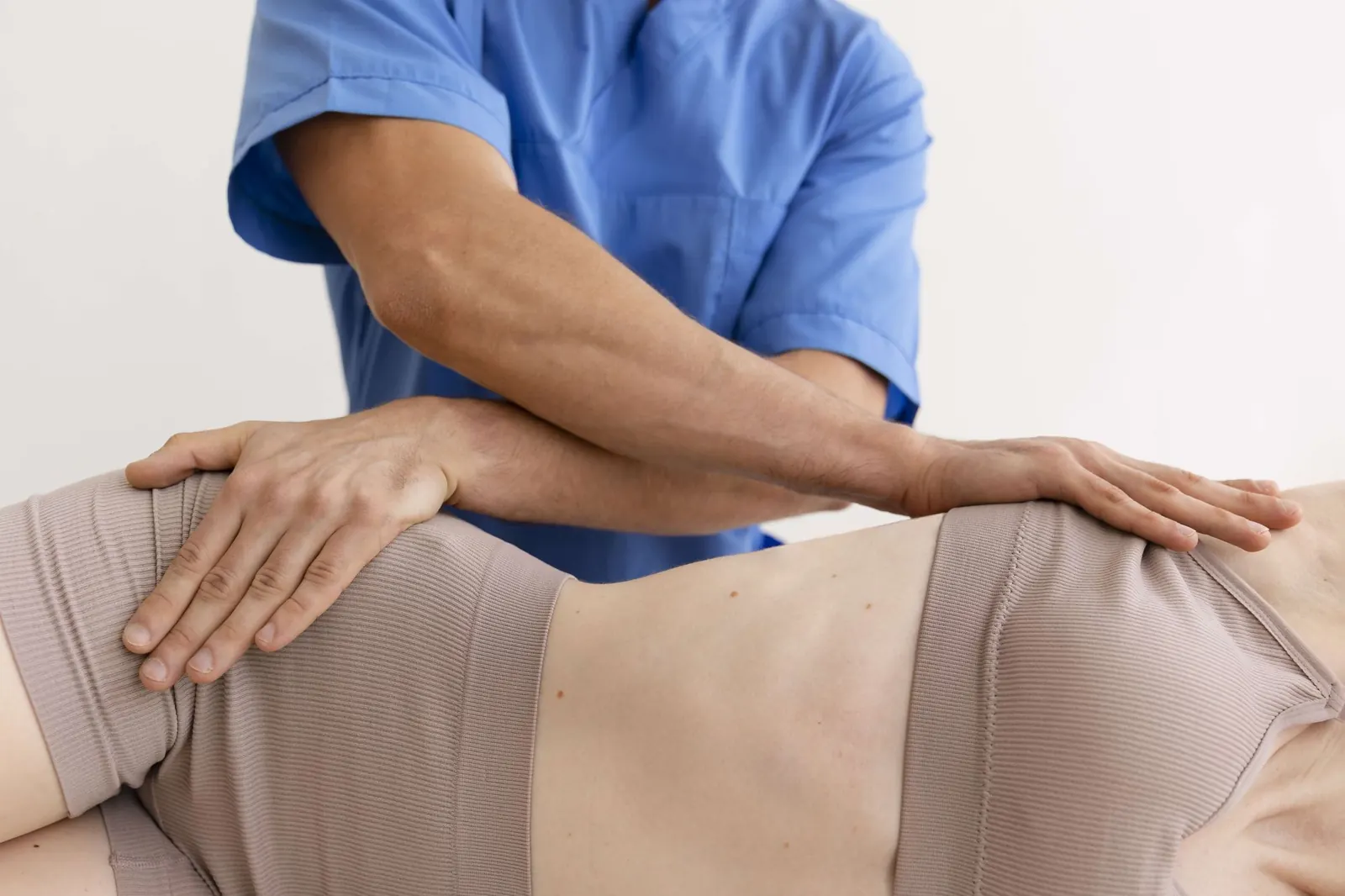
OMT, also called osteopathic manipulative medicine, is a set of hands-on techniques that DOs learn in medical school. It is based on a simple idea: the body's muscles, bones, nerves and organs are connected, and problems in one area can affect another.
Your doctor first examines how you move and where tissues feel tight or restricted. Then they use their hands to help those areas move more freely. OMT can be used alone or alongside medicine, physical therapy and other care.
An Osteopath in Dallas Who Is Also Your Doctor
In the United States, osteopathic physicians (DOs) are fully licensed doctors.
They go to medical school, complete residency and can prescribe medicine, just like MDs. They also get extra training in the musculoskeletal system and OMT.
That means your DO can do more than treat a sore back. They can order tests, look for other causes of your pain and manage your overall health.
Meet our doctorsHow OMT Works
Four simple steps from your first call to ongoing care.
Schedule an AppointmentBook a visit with one of our DO physicians.
Your doctor checks your posture, movement and tender areas.
OMT takes 15 to 30 minutes of your 40-minute visit, fully clothed.
Go home with simple stretches and a follow-up schedule.

Conditions OMT Can Help
- Low back pain, including pain that spreads down the leg, such as sciatica
- Neck and shoulder pain from posture, stress or injury
- Tension headaches
- Joint pain and stiffness in the hips, knees and elbows
- Sports injuries, sprains and strains
- Muscle tightness and limited range of motion
Research supports OMT most strongly for low back pain. For other conditions, your doctor will explain what you can realistically expect.
Common OMT Techniques
| Technique | What it involves |
|---|---|
| Soft tissue | Stretching and gentle pressure on tight muscles |
| Myofascial release | Slow, steady pressure to loosen tight connective tissue |
| Muscle energy | You push gently against your doctor's hand to relax and lengthen a muscle |
| Counterstrain | Holding you in a comfortable position for about 90 seconds to calm a tender point |
| Joint mobilization | Gentle movement of a stiff joint through its range |
| High-velocity, low-amplitude (HVLA) | A quick, small thrust that may make a popping sound; used only when safe |
Your doctor chooses gentle techniques if you are sore, older or sensitive to pressure.
What to Expect at an OMT Visit
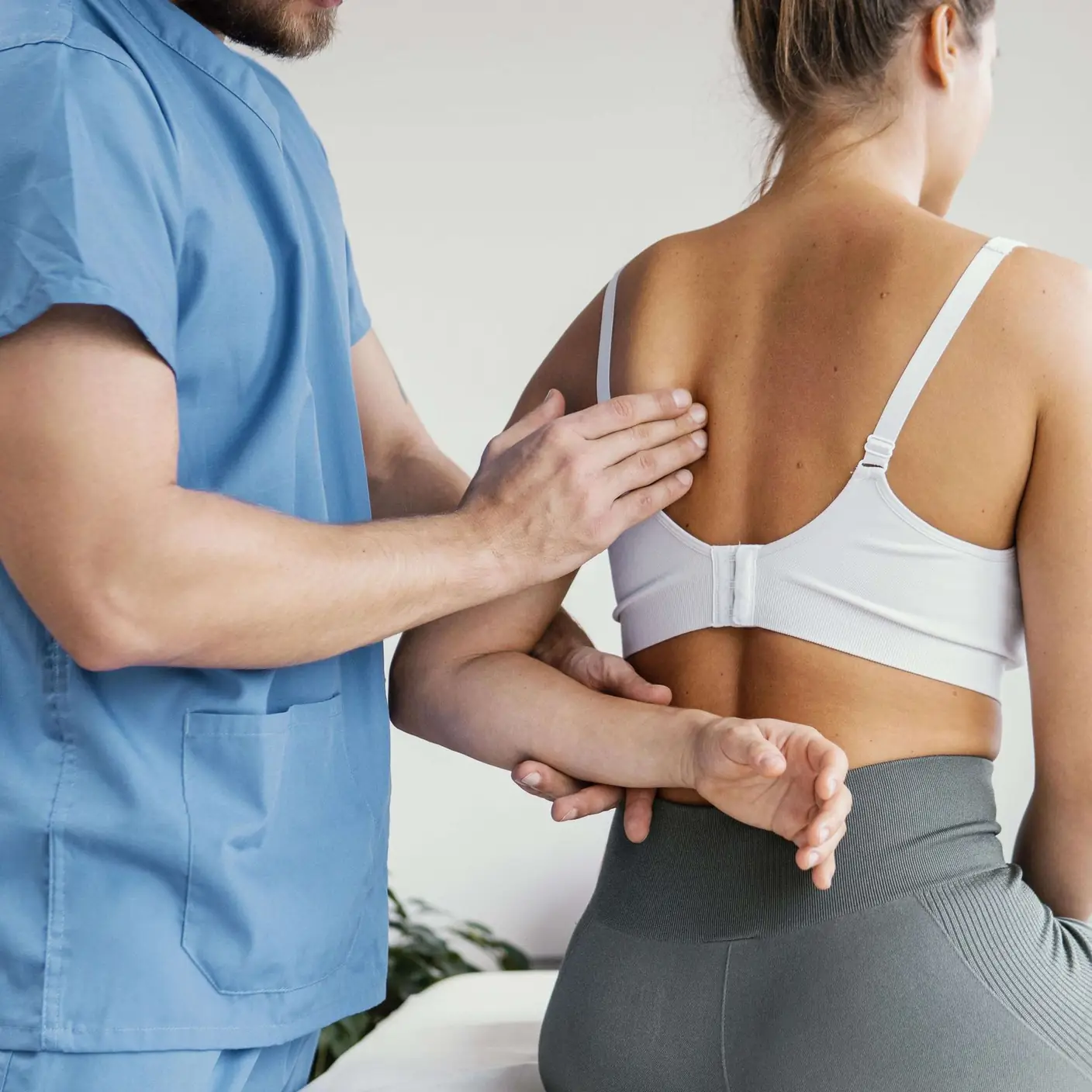
Treatment happens during a 40-minute visit with your doctor. You talk about your symptoms first. Then your doctor checks your posture, movement and tender areas while you sit or lie on a treatment table. Treatment usually takes 15 to 30 minutes of the visit. Wear comfortable clothes, because you stay dressed.
Some people feel relief right away. Others feel mild soreness for a day or two, much like after exercise. Drinking water and gentle movement help.
OMT vs. Chiropractic vs. Massage
| At a glance | OMT | Chiropractic | Massage |
|---|---|---|---|
| Provider | Licensed physician (DO) | Chiropractor (DC) | Massage therapist |
| Can diagnose and prescribe | Yes | Diagnose, no prescriptions | No |
| Focus | Whole body, muscles and joints | Mainly the spine | Muscles and soft tissue |
| Techniques | Many, from very gentle to quick thrusts | Mostly spinal adjustments | Rubbing, kneading, pressure |
Is OMT Safe?
Osteopathic manipulation is generally safe when done by a trained DO.
Your doctor will avoid certain techniques if you have osteoporosis, a recent fracture, a bleeding disorder, take blood thinners or have certain spine or neck problems. Tell your doctor about your full health history before treatment.

OMT in a Holistic Pain Plan
Hands-on treatment often works best with other care. Your doctor may pair it with physical therapy to build strength, or neural therapy for stubborn pain. Learn about our full approach to chronic pain treatment in Dallas.
How to Prepare for OMT
Wear loose clothes you can move in, such as athletic wear.
Bring a list of your medicines and any imaging reports. Tell your doctor about recent injuries, surgery or pregnancy. After treatment, drink water and keep moving gently.
OMT Near You in Dallas
Osteopathic manipulative treatment is part of your visit with your doctor. Members get these visits as part of their membership. Not a member? A single visit is $149. Our clinic is at 4300 N Central Expy #310, Dallas, TX 75206, near Knox-Henderson.
See Our Membership Pricing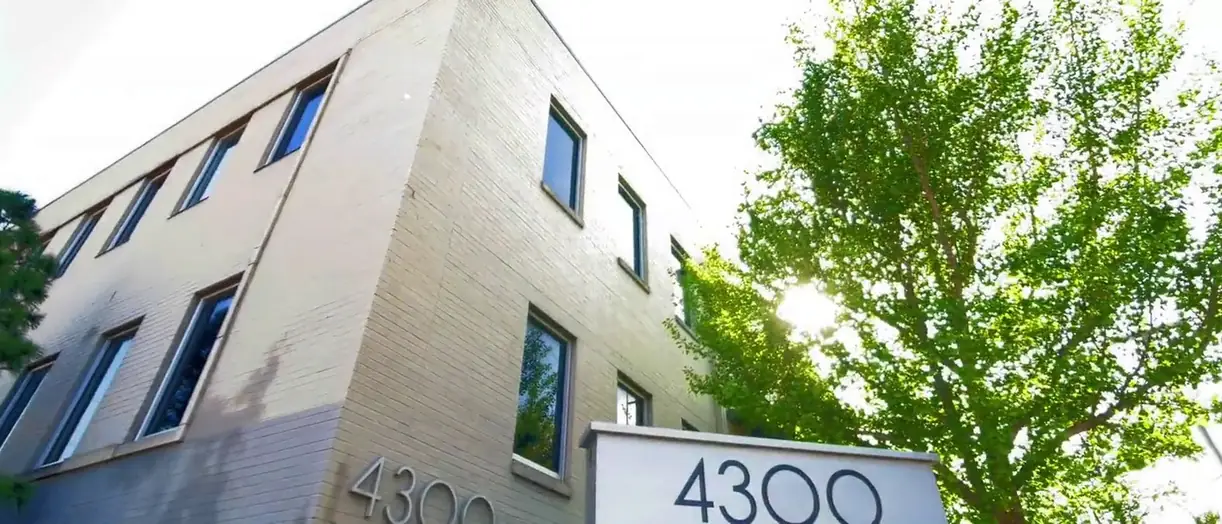
How many OMT sessions will I need?
For a recent strain, one to three visits may be enough. Long-standing pain often needs regular sessions over several weeks. Your doctor will suggest a schedule and adjust it as you improve.
Can I have OMT during pregnancy?
Often, yes. Gentle OMT is commonly used for back and hip pain in pregnancy. Tell your doctor you are pregnant so they can choose safe positions and techniques.
Should I have OMT right after an injury?
See your doctor first. After a fall or accident, your doctor checks for a fracture or other injury before any hands-on treatment.
Does OMT hurt?
It should not be painful. You may feel pressure or a stretch. Tell your doctor right away if anything hurts, and they will adjust.