How Parental Mental Health Can Impact Your Child’s Well-Being
 Yaser Elqutub
Parenting is one of the most rewarding yet challenging responsibilities. It demands emotional resilience, patience, and the ability to manage stress effectively. However, when a parent’s mental health is compromised, the impact on children can be significant and long-lasting. The Parent Mental Health Negative Effects on Child can shape not just their emotional state but also their behavior, relationships, and future well-being.
Children are like emotional sponges. They absorb the emotional climate of their home, whether it’s warm and supportive or stressful and unstable. Understanding the link between parental mental health and child development is the first step toward building healthier family dynamics.
This blog explores the ripple effects of parental mental health on children and offers insights into identifying and addressing these challenges.
Understanding the Link Between Parent and Child Mental Health
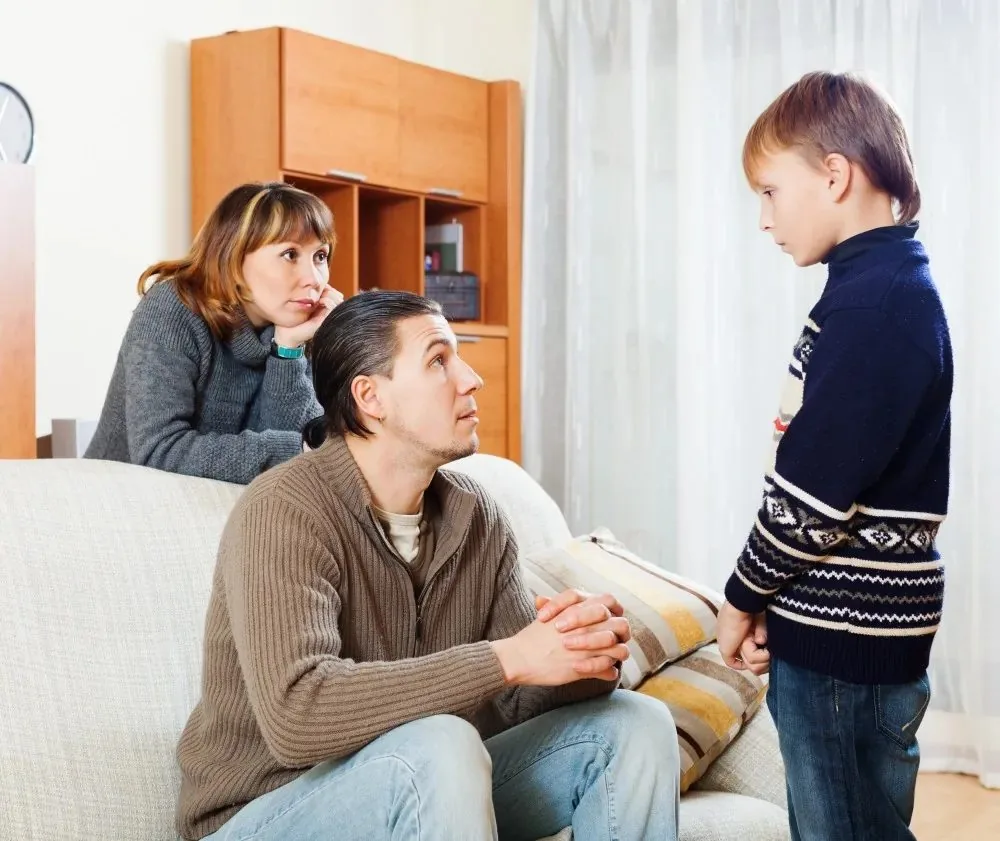
Parents play a central role in shaping their child’s emotional and psychological landscape. Children learn by observing their parents, often mimicking their emotional responses, communication styles, and coping mechanisms. When parents struggle with mental health, it can lead to unintended consequences for their children.
How It Affects Children
- Emotional Impact: A child’s emotional stability often reflects their parent’s emotional state. Parental mental health issues can lead to heightened anxiety, sadness, or confusion in children.
- Behavioral Changes: Children exposed to mental health struggles may exhibit defiance, aggression, or withdrawal.
- Cognitive Development: Stress within the home can disrupt a child’s ability to focus and perform academically.
Parental mental health isn’t just a personal issue; it’s a family-wide concern. Let’s look at the effects of specific conditions on children.
How Mental Health Disorders in Parents Influence Children
| Mental Health Disorder | Potential Impact on Children |
| Depression | Emotional withdrawal, feelings of neglect, low confidence |
| Anxiety | Fearful behavior, difficulty making decisions |
| Bipolar Disorder | Emotional unpredictability, difficulty forming routines |
| Substance Abuse | Neglect, poor school performance, potential trauma |
Common Mental Health Disorders Seen in Children of Parents With Mental Health Issues

Children are not immune to the emotional turmoil of their parents. In fact, research shows that the home environment significantly influences a child’s likelihood of developing mental health disorders. Which Mental Health Disorder Is Seen in Children of struggling parents? Below are some common examples:
Anxiety Disorders
Children of anxious parents may develop excessive worry or fear. They often feel responsible for maintaining stability at home, leading to heightened stress.
Depression
Parental depression can cause sadness, withdrawal, and low energy in children. They may feel isolated or burdened by the parent’s struggles.
ADHD (Attention-Deficit/Hyperactivity Disorder)
Chaotic home environments can disrupt a child’s ability to focus or regulate impulses. Stress may exacerbate attention-related challenges.
Behavioral Disorders
Stressful home dynamics can result in defiance, aggression, or antisocial behavior. These behaviors are often a cry for stability and attention.
For more information on ADHD, you can visit Wikipedia. Early intervention can make a significant difference in managing these disorders.
Signs of Unhealthy Child Attachment
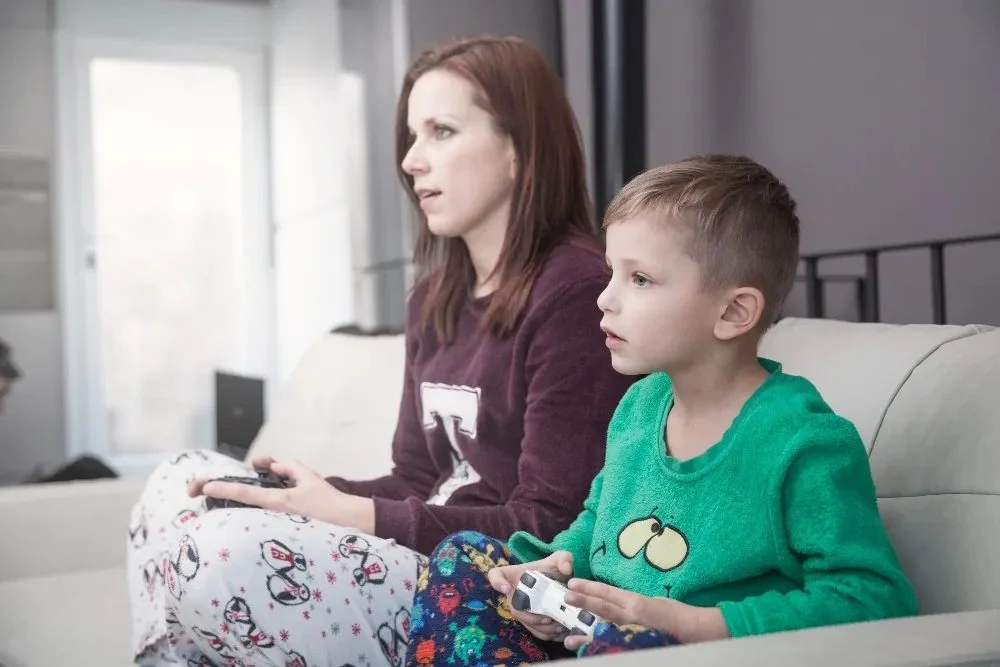
A secure parent-child attachment is foundational to emotional and social development. Unfortunately, when parental mental health is unstable, it can lead to Signs of Unhealthy Child Attachment in children.
Common Signs
- Excessive Clinginess: Fear of separation or abandonment is a hallmark of unhealthy attachment.
- Emotional Detachment: Some children become withdrawn, avoiding emotional connections altogether.
- Difficulty Trusting Others: A child may struggle to form healthy relationships outside the family.
- Aggression or Defiance: Behavioral issues may arise as a reaction to instability at home.
- Inability to Self-Soothe: Children may rely excessively on external validation or comfort.
Recognizing these signs early can help parents take steps to address the underlying causes and rebuild trust.
Dispelling the Myth: Are People With Mental Health Problems Not Attracted to Children?
The misconception that Are People With Mental Health Problems Not Attracted to Children often arises from a misunderstanding of mental health conditions. Many individuals with mental health challenges form loving, meaningful relationships with their children. However, untreated mental health issues may make it difficult to provide consistent emotional support.
Addressing the Stigma
- Breaking Myths: Mental health conditions do not inherently make someone unfit to parent.
- The Role of Support: With appropriate treatment and resources, individuals can overcome many challenges.
- Encouraging Compassion: Society should focus on providing support rather than perpetuating judgment.
The Importance of Primary Children’s Behavioral Health
When parental mental health struggles affect children, Primary Children’s Behavioral Health services become essential. These services focus on early identification and intervention to support emotional, behavioral, and cognitive development.
Benefits of Behavioral Health Services
- Improved Emotional Regulation: Children learn healthy coping mechanisms to manage stress.
- Enhanced Academic Performance: Emotional stability supports focus and learning in school.
- Better Communication: Behavioral health programs teach children and parents how to express feelings constructively.
- Resilience Building: Children develop skills to navigate future challenges with confidence.
Behavioral health services not only help children but also empower families to build healthier relationships.
Practical Steps for Families

Families facing mental health challenges can overcome them together by taking proactive steps. The journey to healing involves commitment, communication, and access to the right resources.
Steps to Support Family Mental Health
- Seek Therapy: Individual or family counseling can address both parental and child mental health needs.
- Build Routines: Predictability provides children with a sense of security.
- Encourage Open Communication: Honest discussions foster understanding and emotional connection.
- Prioritize Self-Care: Parents who care for their well-being set a positive example for their children.
- Leverage Community Resources: Programs like those in Dallas or Texas offer valuable support for families.
FAQs
1. How does parental mental health affect a child’s development?Parental mental health shapes a child’s emotional stability, behavior, and ability to form healthy relationships.
2. Can children overcome the effects of parental mental health struggles?Yes, with timely intervention, children can learn resilience and develop healthy coping mechanisms.
3. What are some warning signs of emotional distress in children?Changes in behavior, withdrawal, aggression, or academic struggles may indicate emotional distress.
4. Are mental health challenges hereditary?While genetics can play a role, environmental factors like family dynamics significantly influence mental health.
5. How can schools support children in such situations?Schools can provide counseling services and safe spaces for children to express their emotions.
Conclusion
The Parent Mental Health Negative Effects on Child highlight the interconnectedness of family well-being. By addressing mental health issues early and fostering open communication, families can create a nurturing environment where children feel secure and valued. A proactive approach to mental health benefits not just individuals but entire families, ensuring healthier relationships and brighter futures.
Disclaimer: This blog is for educational purposes only and does not replace professional medical advice. For personalized care, consult Purposeful Healing or a trusted provider.