Physical Therapy vs Chiropractic: Which Is Right for You?
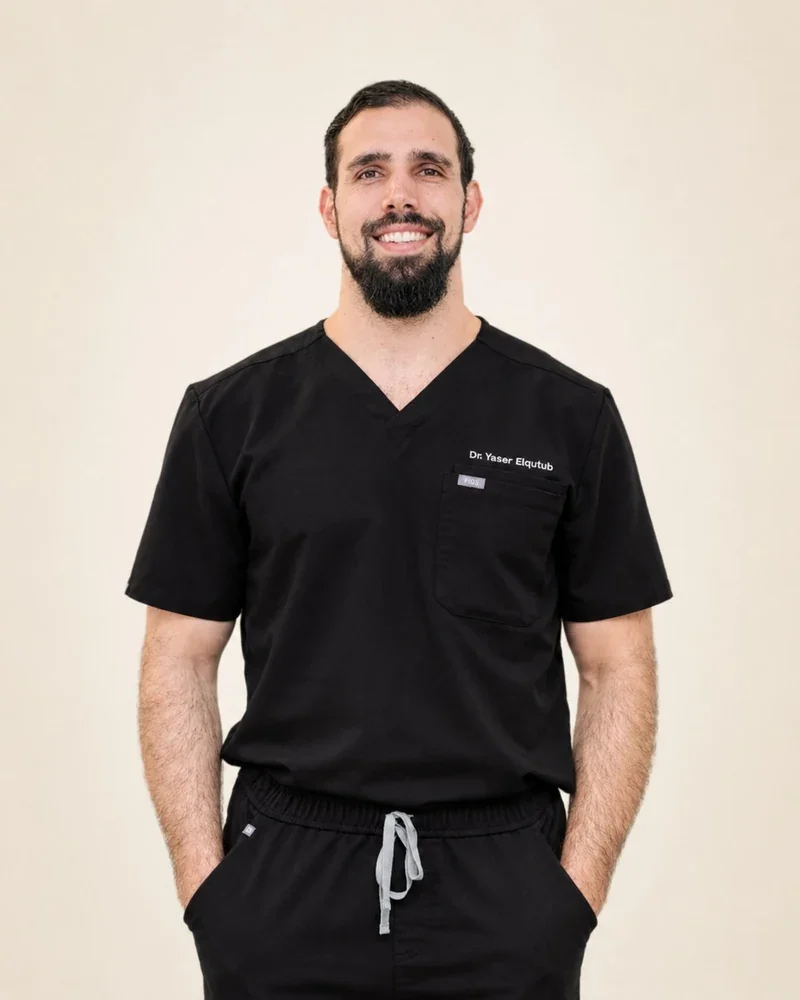 Yaser Elqutub
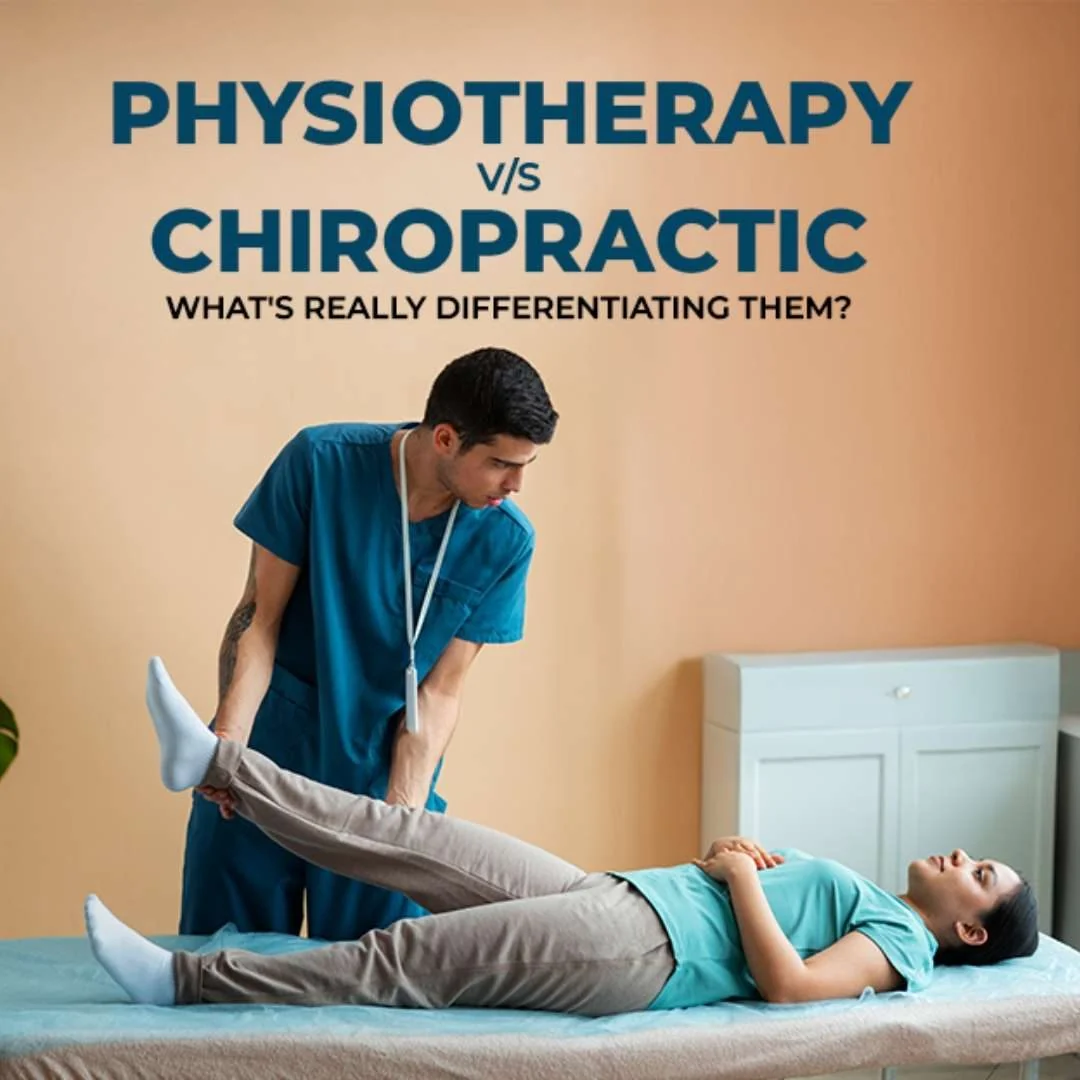
An ache in your neck, chronic low back pain, or limited mobility can bring your life to a standstill. When seeking a solution, you quickly encounter two powerful, non-invasive paths to healing: chiropractic vs physical therapy (PT). While both disciplines aim to reduce pain and restore function, their core philosophies, treatment focuses, and long-term goals differ significantly.
Many people wonder, “What’s the difference between chiropractic and physical therapy?” At Purposeful Healing, our Direct Primary Care (DPC) model is designed to help you make that choice, often blending both modalities for optimal, personalized care.
Understanding the Difference Between Physical Therapy and Chiropractic Care
To understand which is right for you, it’s essential to compare the focus and primary treatment methods of each profession.
The Focus of Chiropractic Care (DC)
Chiropractic care generally focuses on the relationship between the body’s structure, primarily the spine, and its function, particularly as it relates to the nervous system. The philosophy emphasizes that proper alignment of the spine allows the body to heal itself.
- Primary Treatment: Spinal manipulation (adjustment). This involves a high-velocity, low-amplitude (HVLA) thrust to restore motion in a restricted joint.
- Goal: To provide rapid pain relief by realigning the spine, improving joint mobility, and reducing perceived nerve irritation (1).
- Typical Session: Often shorter, frequently focused on the manual adjustment, sometimes supplemented with modalities like heat or electric stimulation.
The Focus of Physical Therapy (DPT)
Physical Therapy, on the other hand, is generally centered on functional movement and rehabilitation for the entire body. A Physical Therapist is a movement specialist who diagnoses impairments and develops a progressive plan to restore strength, mobility, and endurance.
- Primary Treatment: Therapeutic exercise and movement re-training. This includes prescribed stretching, strengthening, core stabilization, and neuromuscular education.
- Goal: To achieve long-term functional recovery, empower the patient to self-manage their condition, and prevent future injury by correcting underlying biomechanical flaws (2).
- Typical Session: Generally longer (40–60 minutes), focusing on active, guided exercise, and may include manual therapy (mobilization or manipulation) as a supporting technique.
| Feature | Chiropractic Care | Physical Therapy |
| Main Technique | Spinal manipulation (Adjustment) | Therapeutic exercise and movement re-training |
| Core Goal | Alignment, immediate symptom relief | Functional independence, long-term strength |
| Primary Area | Spine and related nervous system issues | All musculoskeletal joints and movement patterns |
Physical Therapy vs Chiropractic for Back Pain
Chiropractic for Acute Back Pain
If you experience sudden, acute LBP, often described as your “back going out” or sharp stiffness, a chiropractor may offer quick relief. They directly target the restricted vertebral segment with manipulation, which can immediately improve mobility and reduce pain in the short term (4). This is often the ideal jump-start for patients in severe discomfort who are hesitant to move.
Physical Therapy for Chronic and Recurring Back Pain
If your back pain is chronic, recurring, or related to performing specific daily activities (like lifting or sitting), a Physical Therapist will be indispensable.
- Diagnosis: They assess the underlying causes, such as a weak core, muscle imbalances in the hips or glutes, or poor lifting mechanics.
- Treatment: They prescribe a progressive strengthening program to build spinal stability and teach you proper body mechanics, which is the key to preventing the pain from returning.
The Purposeful Healing Integrated Approach
At Purposeful Healing, we believe the answer to “Which is right for you?” is often both, tailored to your phase of recovery. Our DPC model facilitates seamless collaboration between specialties, ensuring you get the right care at the right time without traditional referral hassles.
We leverage the full expertise of Dr. Yaser’s team, including:
- Dr. Mark Anthony Rodriguez, Doctor of Physical Therapy, who creates the individualized rehabilitation plan centered on strengthening and movement correction.
- Curtis Olsen, Manual Therapist, who provides hands-on soft tissue work to complement joint mobility efforts.
- Holistic professionals, like Reem Elhossary, Reiki Master, and Dr. Margaret Moravec, Psychologist, PhD, who address the stress and emotional components that often exacerbate pain.
Deciding Which Path to Take
To help you determine which service to prioritize, ask yourself these three questions:
- What is my primary goal?
- Quick relief for acute stiffness? Start with a chiropractor or manual therapist.
- Long-term strength and function? Start with a Physical Therapist.
- Where is the pain?
- Centered in the spine/neck? Chiropractic is an excellent starting point.
- In a peripheral joint (knee, shoulder, ankle), or related to post-surgical recovery? Physical Therapy is the definitive treatment.
- Do I want an active or passive treatment?
- Prefer hands-on, passive treatment for immediate relief? Chiropractic is typically more passive.
- Ready to commit to exercises and active rehabilitation? Physical Therapy requires active patient participation.
Final Thoughts and Call to Action (CTA)
When navigating the complex world of musculoskeletal health, you don’t have to choose between swift relief and lasting strength. The most effective route to sustained health involves recognizing the unique strengths of both chiropractic vs physical therapy and integrating them into a personalized plan. This is the cornerstone of the care provided at Purposeful Healing DPC.
Take the first step toward integrated healing today! Contact Purposeful Healing to schedule your comprehensive musculoskeletal assessment with Dr. Yaser Elqutub or Dr. Rahman. We will help guide you to the perfect blend of manual therapy and physical rehabilitation for your long-term wellness.
Medical Disclaimer
The information provided on the Purposeful Healing blog and website is for general informational and educational purposes only. It is not intended, and should not be construed, as professional medical advice, diagnosis, treatment, or a substitute for a consultation with a licensed healthcare provider.