Primary Care Doctor in Dallas: Enjoy Affordable and Accessible Healthcare with DPC
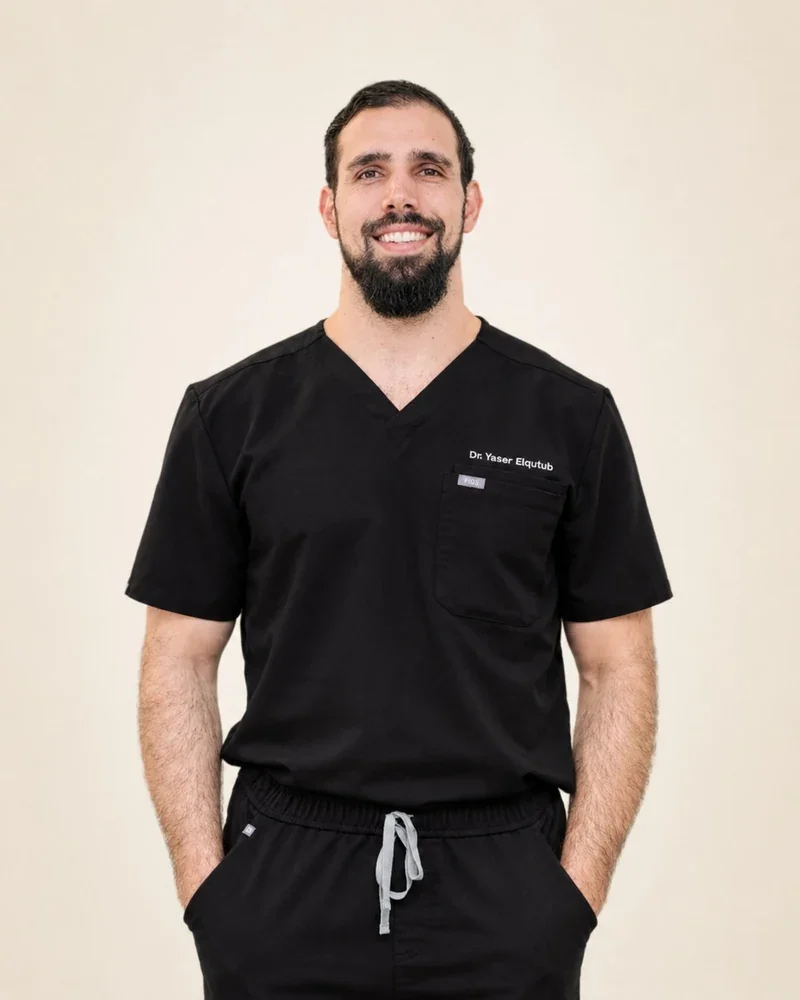 Yaser Elqutub
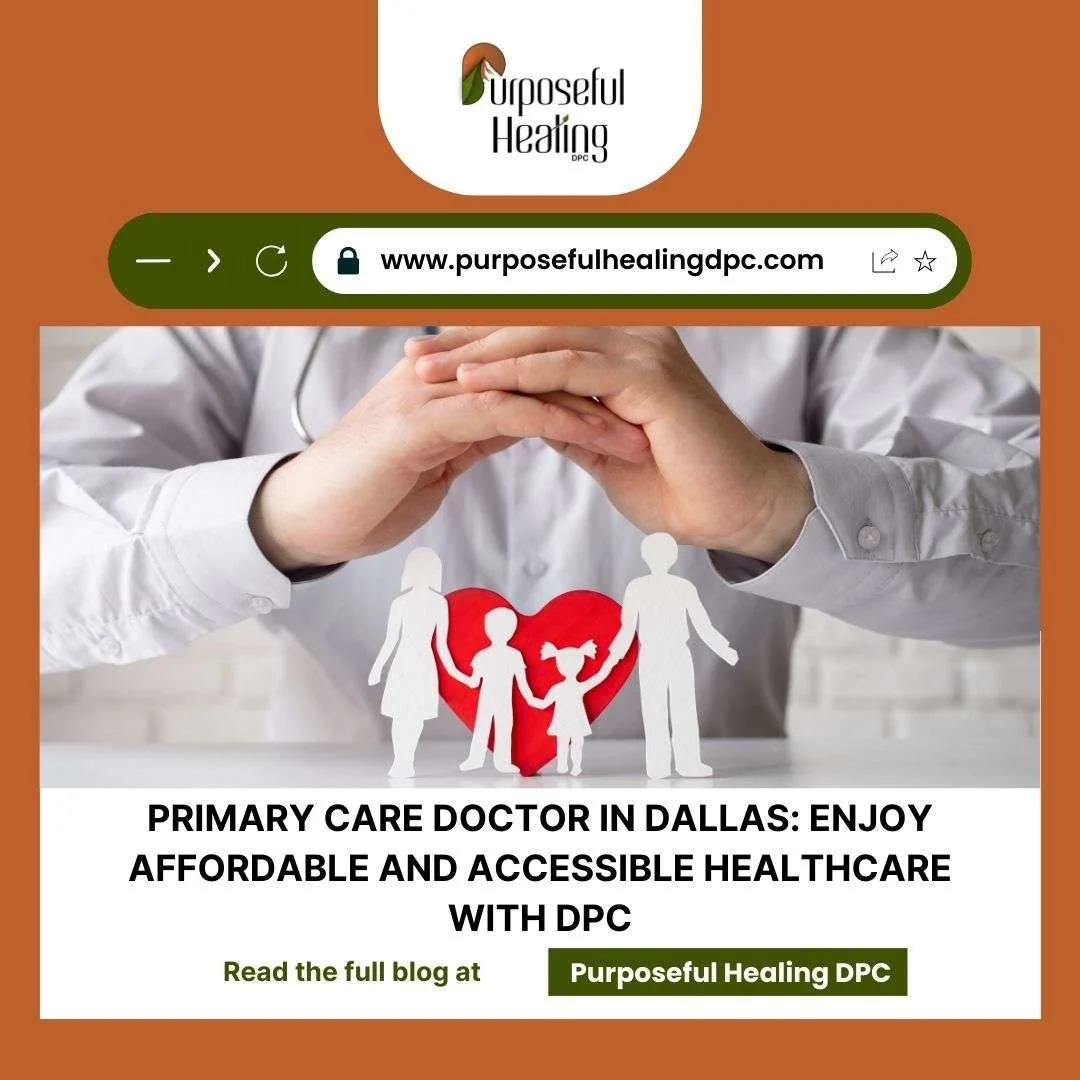
Choosing the right primary care doctor in Dallas, Texas is essential to maintaining good health and overall well-being. A primary care doctor plays a crucial role in managing your healthcare, from preventive measures to treating illnesses and chronic conditions. However, traditional healthcare models can be costly, with long wait times and limited access to your doctor. Fortunately, Direct Primary Care (DPC) offers an innovative solution to make healthcare more affordable, accessible, and personalized.
In this blog, we’ll explore why primary care doctors in Dallas are so important, how DPC can transform your healthcare experience, and why this model is becoming the future of primary care.
What is a Primary Care Doctor?
A primary care doctor is a healthcare professional who is responsible for managing your overall health. They offer a wide range of services, including preventive care, diagnosis, and treatment of illnesses. Primary care doctors also help manage chronic diseases, like diabetes and hypertension, and offer health education to keep you healthy in the long run.
Key Roles and Responsibilities of a Primary Care Doctor
A primary care doctor Dallas has a broad scope of duties, including:
- Routine checkups and physical exams – Regular visits to monitor your overall health.
- Chronic disease management – Treatment and management of long-term conditions like diabetes, asthma, and high blood pressure.
- Preventive care – Health screenings, immunizations, and counseling on healthy habits to prevent illnesses.
- Acute care – Treatment for short-term health issues like colds, flu, and infections.
- Health education and advice – Offering lifestyle recommendations for maintaining good health, such as advice on nutrition, exercise, and stress management.
Having a family physician in Dallas means you can rely on one trusted healthcare provider to manage the majority of your health needs.
Why Choose a Primary Care Doctor in Dallas TX?

Opting for a primary care doctor in Dallas TX offers numerous advantages. Here are some reasons why choosing the right primary care doctor can make a difference in your healthcare:
1. Comprehensive and Coordinated Care
A primary care doctor Dallas coordinates all aspects of your healthcare, ensuring that you receive consistent and holistic care. They can manage both preventive and acute care, refer you to specialists when needed, and track your health over time.
2. Personalized Healthcare
A primary care doctor develops a relationship with you over time, which helps them understand your medical history, lifestyle, and individual health needs. This leads to more personalized and effective treatment.
3. Focus on Preventive Care
Primary care doctors place a strong emphasis on prevention. They will help you identify health risks early, offer regular screenings, and provide guidance on healthy habits, reducing the chances of developing serious health issues.
4. Better Access to Care
Having a primary care doctor in Dallas ensures that you don’t have to visit multiple specialists for general health concerns. Your doctor is your first point of contact for any health issue, simplifying the process and saving time.
Primary Care Doctors Near Me Accepting New Patients
Finding primary care doctors near me accepting new patients can be challenging, but it’s essential to select a doctor who is available, convenient, and trusted by others. When searching for a new primary care doctor, consider these factors:
- Location and Convenience: Choose a doctor who is easy to access based on location.
- Availability: Many doctors now offer flexible hours or same-day appointments, making it easier to fit healthcare into your schedule.
- Patient Reviews and Referrals: Ask for recommendations from friends or family members, and check reviews online for insights into a doctor’s service quality.
- Insurance Compatibility: Ensure that the doctor accepts your insurance or offers an affordable payment model.
Why DPC is the Future of Primary Care
Traditional healthcare models can be costly and complicated. Direct Primary Care (DPC) is a model that removes many of these barriers and provides patients with a more personalized and accessible healthcare experience. Instead of paying for each visit or dealing with insurance, you pay a fixed monthly fee for unlimited access to your primary care doctor Dallas.
How DPC Works
In a DPC model, patients pay a monthly membership fee that covers all primary care services. This model is simple and transparent, with no copays or hidden fees. Services typically included in the monthly fee are:
- Unlimited visits to your primary care doctor Dallas for checkups, sick visits, and more.
- Access to your doctor by phone, text, or email for consultations.
- Preventive care, including screenings, health counseling, and immunizations.
- Discounted or included lab tests and prescriptions.
- Same-day or next-day appointments for prompt care.
By eliminating the need for insurance, DPC allows for more flexibility and better access to your doctor.
Benefits of DPC for Primary Care
DPC has numerous advantages over traditional healthcare models, such as:
1. Affordable Healthcare
With DPC, you pay a flat monthly fee for your healthcare, which includes unlimited doctor visits and other services. This model can be much more affordable than traditional insurance-based healthcare, which often involves high deductibles, copays, and hidden charges.
2. Better Access and Availability
Many primary care doctors in Dallas who offer DPC provide same-day or next-day appointments, eliminating long wait times. With DPC, you don’t need to wait weeks for an appointment.
3. More Time with Your Doctor
Appointments in a traditional healthcare system are often short and rushed. With DPC, your primary care doctor Dallas can spend 30-60 minutes with you per visit, giving you ample time to discuss all of your health concerns.
4. Personalized Care
Without the constraints of insurance, DPC allows your primary care doctor to focus solely on your health needs. You have more control over your care, with fewer limitations and more direct communication with your doctor.
5. Comprehensive Preventive Care
DPC emphasizes preventive care, offering regular checkups and screenings to detect health problems before they become severe. This focus on prevention can help you avoid costly and complex medical issues in the future.
Can Primary Care Doctors Prescribe Adderall in Dallas TX?

For individuals with Attention Deficit Hyperactivity Disorder (ADHD), the question of whether a primary care doctor Dallas can prescribe medications like Adderall often arises. In many cases, yes, a primary care doctor can prescribe Adderall for ADHD after evaluating the patient’s symptoms and determining the need for the medication. However, in certain situations, a doctor may refer you to a psychiatrist or specialist for a more comprehensive evaluation.
How to Find a Primary Care Doctor
When finding a primary care doctor, it’s important to do some research to find a physician who suits your needs. Here are a few steps to help you:
1. Ask for Referrals
Start by asking family members, friends, or colleagues for recommendations. Referrals from trusted sources can help you find a reliable primary care doctor.
2. Search Online
Look up primary care doctors Dallas online and read patient reviews. Many healthcare websites, such as Healthgrades, can provide ratings and reviews of doctors.
3. Check Insurance Compatibility
Ensure that the primary care doctor you’re considering accepts your insurance or offers a payment model that fits your budget. If you’re interested in DPC, check if the doctor offers this option.
4. Visit the Doctor
Once you have a list of potential doctors, schedule an initial consultation. This gives you a chance to meet the doctor, ask questions, and determine if they’re a good fit for you.
FAQs About Primary Care Doctors in Dallas
1. What is a primary care doctor?
A primary care doctor provides general healthcare services, including preventive care, disease management, and treatment for common illnesses. They manage your overall health and act as your first point of contact for any health concerns.
2. How can I find a primary care doctor near me accepting new patients?
You can search online, ask for referrals from friends or family, or check local listings. Many doctors also provide the option to book appointments online.
3. Can primary care doctors prescribe Adderall in Dallas?
Yes, primary care doctors can prescribe Adderall for ADHD in Dallas if they determine it is necessary. However, for a more specialized treatment, they may refer you to a psychiatrist.
4. How much does it cost to see a primary care doctor in Dallas?
The cost varies depending on whether you have insurance or use a DPC model. DPC typically costs between $50 and $150 per month for unlimited access to your primary care doctor.
5. Why should I choose DPC over traditional healthcare?
DPC provides affordable, personalized care with no insurance hassles. It offers better access, longer appointments, and a focus on preventive care.
Conclusion
Choosing the right primary care doctor in Dallas is essential for your health. By opting for a DPC model, you can enjoy affordable, accessible, and personalized healthcare with fewer administrative barriers. Whether you need routine care, chronic disease management, or treatment for common illnesses, a primary care doctor Dallas is there to help.
If you’re interested in experiencing healthcare that prioritizes your needs, Purposeful Healing DPC offers a membership model designed for better access to care, better doctor-patient relationships, and more affordable healthcare. Contact us today to learn more about how we can support your health.
For more information about Dallas, you can visit the Wikipedia page for Dallas. To learn more about primary care, visit Wikipedia’s article on Primary Care.
Disclaimer: The information provided in this blog is for educational purposes only and does not substitute for professional medical advice. For specialized services, contact Purposeful Healing or another qualified healthcare provider.