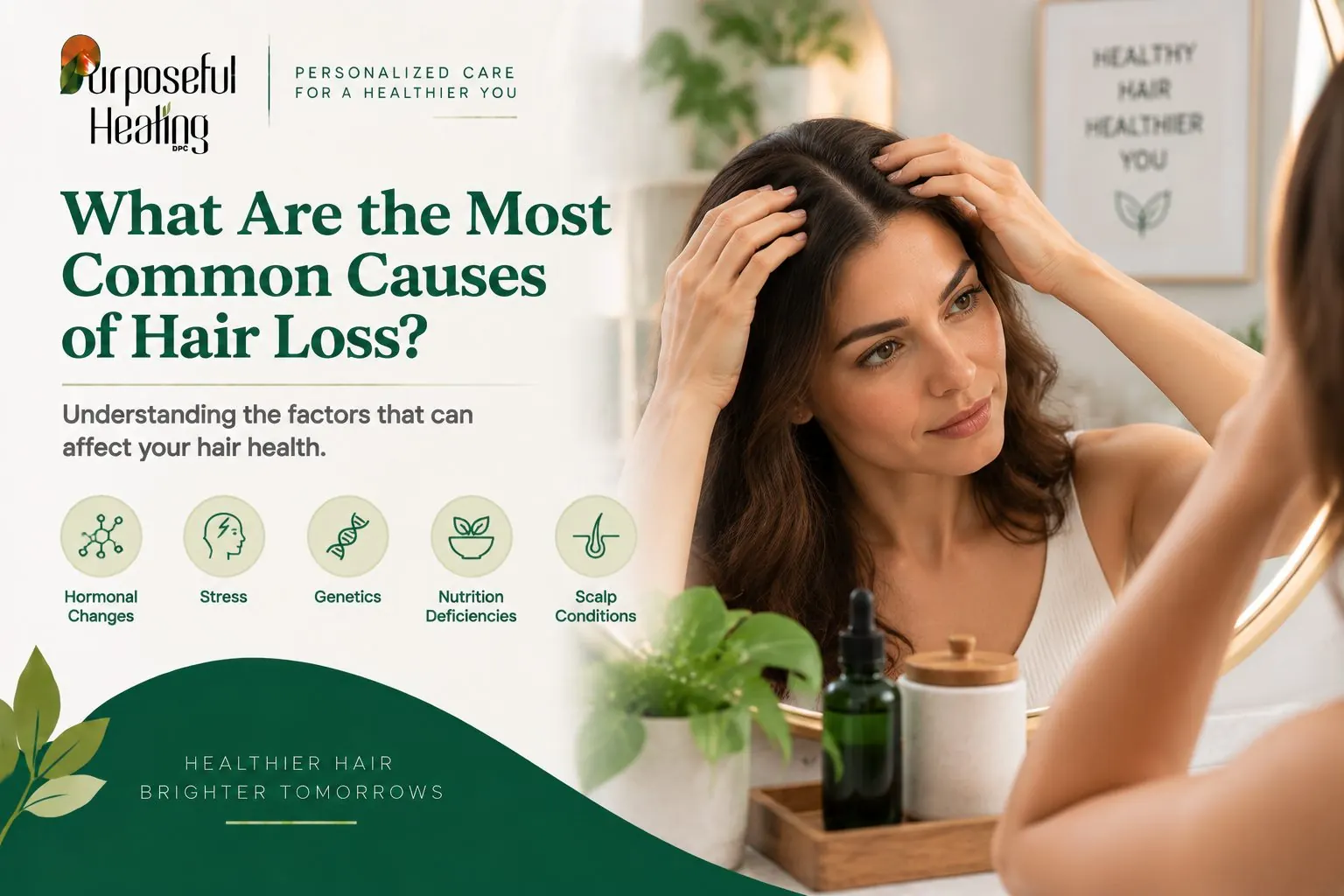
What Are the Most Common Causes of Hair Loss?
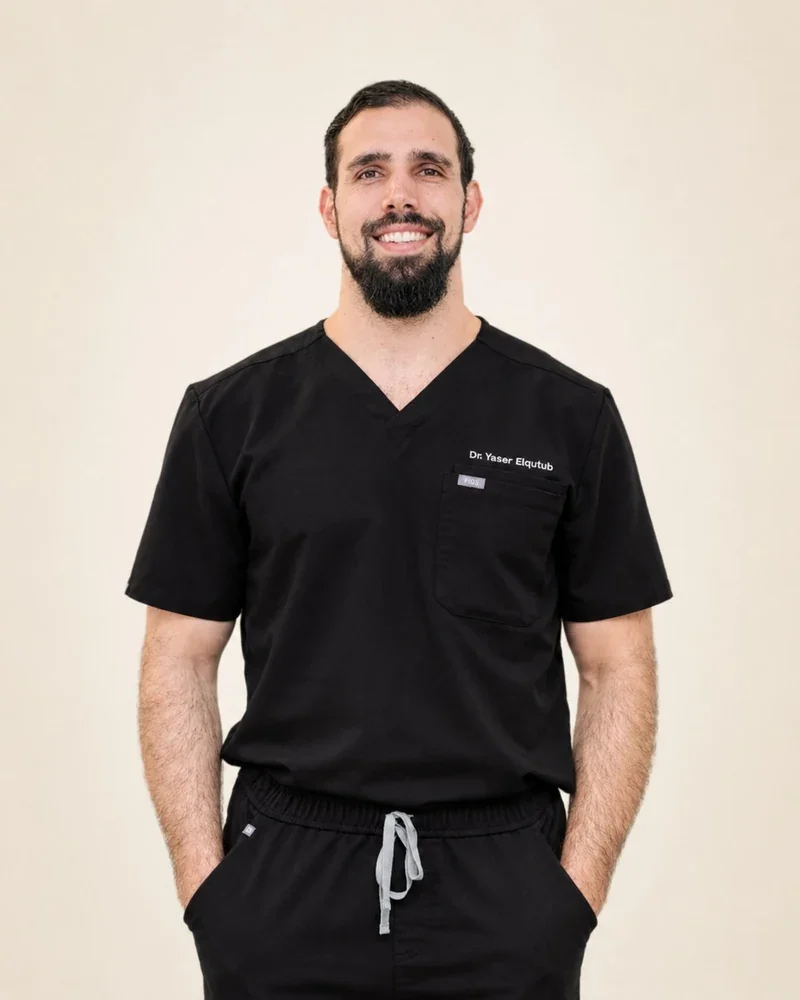 Yaser Elqutub
The most common causes are hereditary pattern hair loss, shedding after stress or illness, thyroid problems, low iron, and tight hairstyles.
Noticing extra hair in the shower or along a widening part can be distressing. Hair is tied to identity and confidence, so thinning may affect work and relationships. The uncertainty is stressful when you do not know whether shedding will continue.
Hair loss is not one condition with one solution. Care may involve correcting a medical or nutritional problem, changing hair practices, using medication, or considering restoration procedures. Because different forms can look similar, identifying the cause should come before choosing products.
Purposeful Healing DPC provides personalized hair restoration services in Dallas for men and women. The team considers the pattern, scalp, health history, medications, lifestyle, and goals before discussing options. This supports individualized care.
How Does Normal Hair Growth Work?
Hair follicles move through growth, transition, rest, and shedding. Daily shedding is normal, but increasing loss, a changing hairline, a widening part, or bald patches deserve attention.
Hair loss may be gradual, sudden, localized, or diffuse. Its timing provides diagnostic clues.
What Is Hereditary Pattern Hair Loss?
Androgenetic alopecia, or pattern hair loss, is common. Genetics and androgen sensitivity shorten growth and make affected follicles produce finer hairs.
Men may notice temple or crown thinning; women often develop a widening part. Pattern loss can progress over time.
How Can Stress or Illness Cause Excessive Shedding?
Telogen effluvium occurs when extra follicles enter the resting phase and later shed. It may begin months after a physical or emotional stressor, making the connection easy to miss.
Possible triggers include:
- Major illness or fever: Infection or hospitalization can temporarily disrupt the normal hair-growth cycle.
- Surgery or trauma: Physical stress may push more follicles into the resting phase.
- Emotional stress: Prolonged stress may contribute, although other causes still require consideration.
- Childbirth: Postpartum shedding is common as hormone levels shift after delivery.
- Rapid weight loss: Calorie or nutrient restriction may cause diffuse thinning months later.
Shedding may improve after the trigger resolves. Lifestyle counseling may support stress, sleep, and sustainable routines.
Which Nutritional Problems May Affect Hair Growth?
Hair growth requires adequate calories, protein, vitamins, and minerals. Iron deficiency, low protein intake, restrictive dieting, and certain nutrient deficiencies may contribute to shedding.
Do not take supplements automatically: excess vitamin A or selenium can worsen loss. Testing can identify a genuine deficiency. Personalized diet planning offers a more targeted approach than unverified hair supplements.
What Hormonal and Medical Conditions Can Cause Hair Loss?
Thyroid disease, polycystic ovary syndrome, anemia, and other conditions may contribute. Pregnancy, childbirth, and menopause can also change hair density.
Fatigue, weight changes, irregular periods, or temperature sensitivity can provide clues. Women’s healthcare in Dallas can address related hormonal concerns.
What Is Alopecia Areata?
Alopecia areata is an autoimmune condition that often causes smooth, round bald patches. It can also affect facial or body hair.
Sudden patches need evaluation because fungal infection and hair-pulling disorders can also cause localized loss.
How Can Hairstyles and Hair Practices Cause Loss?
Traction alopecia develops when repeated pulling strains follicles. Tight braids, ponytails, buns, extensions, and some protective styles may contribute.
Reduce avoidable damage by:
- Loosening hairstyles: A style should not cause scalp pain, bumps, crusting, or a persistent pulling sensation.
- Rotating placement: Changing the position and style can reduce repeated tension on the same hairline areas.
- Limiting harsh processing: Excessive heat, bleaching, relaxers, and overlapping chemical treatments can weaken the hair shaft.
- Responding early: Broken hairs or thinning around the temples may be early warning signs before follicle damage becomes permanent.
Which Medications May Cause Hair Loss?
Some blood thinners, retinoids, hormone-related medicines, mood medications, and cancer treatments may cause shedding. Effects vary by drug and individual.
Never stop prescribed medicine on your own. Ask the prescriber whether it could contribute and if monitoring or an alternative is appropriate.
How Is the Cause of Hair Loss Diagnosed?
Evaluation considers pattern, timing, family history, illness, diet, stress, pregnancy, medications, and hair practices. The scalp is checked for inflammation, scaling, scarring, and breakage.
Blood tests may assess anemia, iron status, thyroid function, or suspected contributors. Specialized examination, fungal testing, or biopsy may be needed when the diagnosis is unclear.
Seek prompt evaluation for:
- Sudden bald patches or rapid shedding
- Scalp pain, burning, redness, or drainage
- Scaling, crusting, or broken hairs
- Loss of eyebrows, eyelashes, or body hair
- Hair loss with fatigue or hormonal symptoms
- Smooth, shiny areas that may suggest scarring
An annual physical examination may identify health changes needing assessment.
How Is Hair Loss Treated?
Treatment may address deficiencies, medical or scalp conditions, hairstyle tension, or use evidence-based medication and restoration procedures.
Hair grows slowly, and shedding may decrease before density improves. Sudden or inflamed loss needs medical investigation.
Explore aesthetics and wellness services, meet the care team, or contact Purposeful Healing DPC to request an evaluation.
What Are the Top FAQs About Hair Loss Causes?
What Is the Most Common Cause of Hair Loss?
Hereditary pattern hair loss is one of the most common causes in adults. Diffuse shedding after stress, illness, or hormonal changes is also frequently seen.
Can Stress Really Cause Hair Loss?
Yes. Physical or emotional stress may trigger telogen effluvium, with shedding often beginning weeks or months after the event.
Can Low Iron Cause Hair Loss?
Iron deficiency may contribute to shedding, but testing is needed. Do not take high-dose iron unless a healthcare professional recommends it.
Does Hair Loss Come From the Mother’s Side?
Pattern hair loss can involve genes inherited from either side of the family. Family history is informative but does not predict the exact pattern.
Can Thyroid Problems Cause Thinning Hair?
Both underactive and overactive thyroid conditions can affect hair growth. Testing may be appropriate when thinning occurs with other thyroid-related symptoms.
Why Is My Hair Falling Out After Weight Loss?
Rapid weight loss, inadequate calories, low protein, or nutrient deficiencies may trigger temporary shedding. A medical and nutritional review can identify possible contributors.
Can Tight Hairstyles Cause Permanent Hair Loss?
Yes. Continued traction may damage follicles permanently. Loosening styles when early breakage or thinning appears can reduce further injury.
Is Postpartum Hair Loss Normal?
Increased shedding commonly develops after childbirth as hormones change. It often improves, but severe or persistent loss should be evaluated.
When Should I See a Doctor About Hair Loss?
Seek care for sudden patches, rapid shedding, scalp symptoms, scarring, or hair loss accompanied by other health changes.
Can Hair Grow Back After Thinning?
Regrowth depends on the cause and whether follicles remain functional. Early diagnosis improves the chance of selecting an appropriate treatment.
Final Thoughts
Common causes include genetics, stress, illness, hormones, nutritional deficiencies, autoimmune disease, medications, and hairstyle tension. Because each requires different care, accurate evaluation should precede products or procedures. Seek early attention for sudden, painful, inflamed, or potentially scarring loss.
Medical Disclaimer
This content does not replace medical advice, diagnosis, or treatment. Consult a healthcare professional for persistent or concerning hair loss.
See our hair restoration in Dallas, and read hair loss treatment vs hair restoration.