What Happens During Your First ExoMind TMS Session?
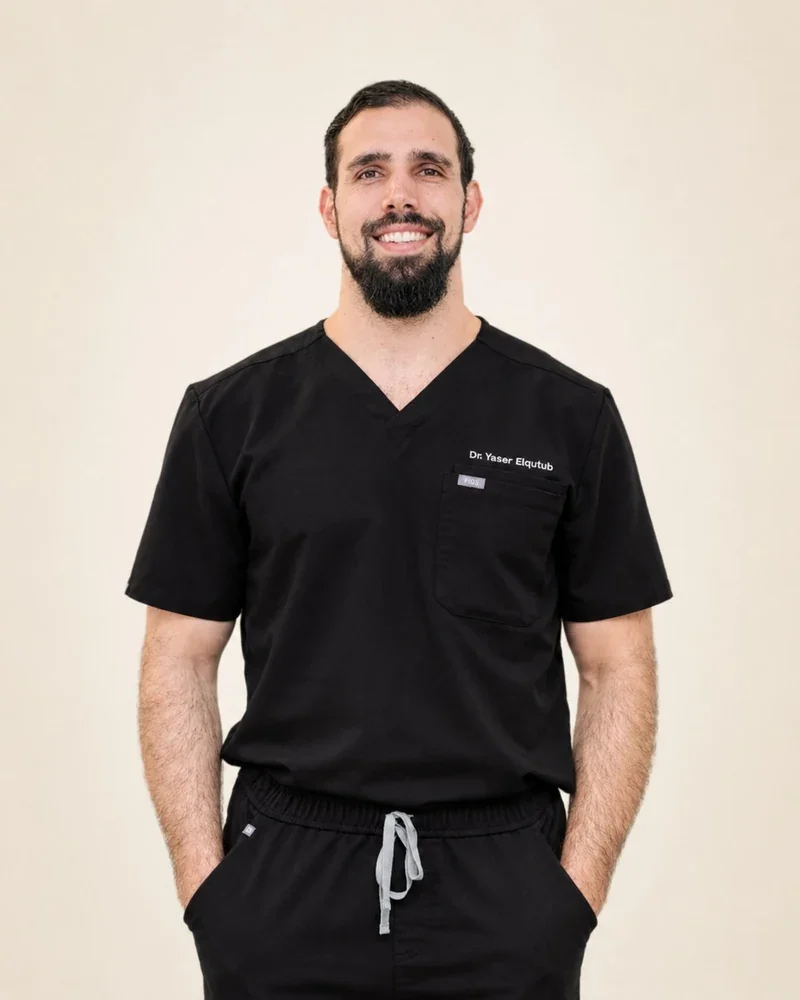 Yaser Elqutub
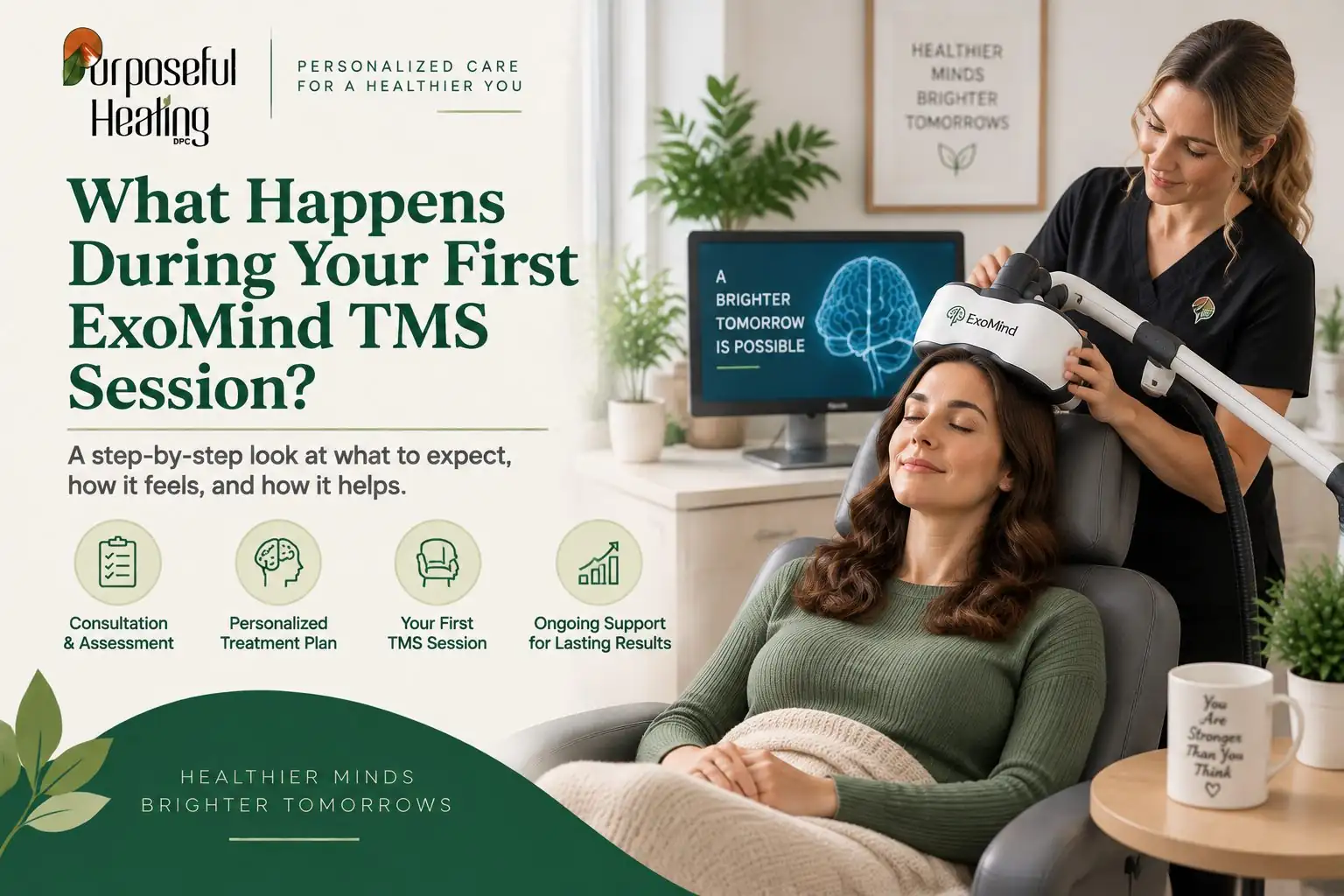
Your first ExoMind visit includes a consult and safety check, fitting the device, then a short treatment while you sit awake. The treatment itself takes under 30 minutes, but the first appointment may be longer.
Starting a new depression treatment can bring hope and uncertainty at the same time. When low mood, poor concentration, exhaustion, or sleep problems affect work, relationships, and family time, you may feel ready for a different option but still worry about what treatment will feel like. Understanding your first ExoMind TMS session can make the experience feel more manageable.
Depression care may involve psychotherapy, medication, lifestyle support, or a combination of treatments. These approaches help many people, but some experience limited improvement or difficult side effects. ExoMind offers a noninvasive, drug-free treatment option that does not require surgery or anesthesia. A professional assessment is still necessary to confirm whether it is appropriate for you.
Purposeful Healing DPC provides ExoMind TMS therapy in Dallas within a personalized, whole-person care model. Dr. Yaser Elqutub and the care team review your symptoms, health history, medications, previous treatments, and goals. You can ask questions and understand the potential benefits, limitations, and safety considerations before treatment.
What Happens During the Initial Consultation?
Your first appointment begins with a clinical conversation. The clinician asks about your symptoms, their duration, and their effects on sleep, work, relationships, energy, and concentration.
Discuss previous medications, therapy, medical conditions, and results. Purposeful Healing DPC’s information about holistic care for anxiety and depression explains why emotional and physical health should be considered together.
The consultation normally covers:
- Your current symptoms: Explain changes in mood, motivation, sleep, appetite, concentration, anxiety, and daily functioning using specific examples.
- Your treatment goals: Describe what meaningful improvement would look like, such as returning to work, sleeping better, or reconnecting with family.
Why Is Safety Screening Necessary?
ExoMind uses repetitive transcranial magnetic stimulation, or rTMS. A coil placed against the scalp delivers magnetic pulses to a brain region involved in mood regulation. Although treatment is noninvasive, magnetic stimulation requires appropriate medical screening.
Tell the clinician about seizures, head injuries, neurological conditions, pregnancy, substance use, medications, and metal or electronic implants near the head. Dental work may not prevent treatment, but it must be disclosed.
Mania, psychosis, suicidal intent, or an inability to stay safe may require urgent care. Outpatient TMS should never delay emergency support.
How Is the ExoMind Device Prepared for Treatment?
If you are considered a suitable candidate, the treatment team positions you comfortably in a chair. The coil is placed against a selected area of your scalp to target the dorsolateral prefrontal cortex, a region involved in mood, attention, and executive function.
The clinician establishes the position and stimulation settings. The first visit may take longer than later sessions because it includes assessment, positioning, and education.
Before arriving:
- Wash and dry your hair: Avoid heavy styling products that may make positioning the treatment device less convenient.
- Bring your medication list: Include prescriptions, supplements, recent medication changes, and the names of your prescribing professionals.
- Report health changes: Mention major sleep loss, new symptoms, medication changes, or unusual substance use before treatment.
What Does ExoMind Treatment Feel Like?
You remain awake throughout the session. As the device delivers magnetic pulses, you may hear repeated clicking and feel tapping, tingling, or pressure on the scalp. Some patients notice temporary movement or twitching in nearby facial muscles.
The sensation may feel unfamiliar, but you can communicate with the team. Report significant discomfort so settings can be reviewed within the prescribed protocol.
Purposeful Healing DPC reports sessions under 30 minutes. The first appointment may be longer because of consultation and setup.
What Happens Immediately After the Session?
ExoMind generally requires no anesthesia, sedation, or planned recovery. Most patients can resume normal activities afterward, subject to individual instructions.
Temporary headache, scalp tenderness, tingling, or facial twitching may occur. A seizure is a rare but serious risk. Report severe or persistent effects.
After the visit:
- Monitor how you feel: Note headache, scalp discomfort, mood changes, sleep, energy, or other symptoms that should be discussed at your next visit.
- Continue prescribed care: Do not stop antidepressants or other medications unless the prescribing professional directs you.
- Keep realistic expectations: ExoMind is delivered as a series, so improvement should not be promised after one session.
When Might You Notice Improvement?
Response varies. Some patients notice early changes, while others require more sessions, experience partial improvement, or do not respond adequately. ExoMind is not a guaranteed cure.
Progress may include better motivation, concentration, sleep, family involvement, or daily functioning. Tracking these changes helps the team evaluate response.
Support may include therapy services, lifestyle counseling, or mindfulness practices. These should complement appropriate depression treatment.
Why Choose Purposeful Healing DPC for ExoMind?
Purposeful Healing DPC considers mental symptoms, physical health, medications, sleep, stress, and treatment history rather than focusing only on the device.
Review the direct primary care approach and Purposeful Healing care team. To discuss candidacy, contact Purposeful Healing DPC or call (469) 949-2730.
What Are the Top FAQs About a First ExoMind Session?
How Long Does the First ExoMind Appointment Take?
Treatment itself is reported to take under 30 minutes, but the first appointment may be longer because it includes consultation, screening, positioning, and patient education.
Does the First ExoMind Session Hurt?
You may feel tapping, tingling, or pressure against the scalp. Tell the team if the sensation becomes painful or difficult to tolerate.
Do I Need Anesthesia for ExoMind?
No anesthesia or sedation is normally required. You remain awake and can communicate with the clinical team during treatment.
Can I Drive After My First Session?
Most patients can drive and resume normal activities afterward. Follow any different instructions given for your individual health situation.
Should I Stop My Antidepressant Before Treatment?
No. Never stop or change a prescribed medication without guidance from the prescribing professional, as sudden changes may worsen symptoms.
What Are the Common ExoMind Side Effects?
Possible temporary effects include headache, scalp tenderness, tingling, and facial twitching. Discuss persistent or concerning symptoms with the treatment team.
How Many ExoMind Sessions Will I Need?
The number depends on the prescribed protocol, diagnosis, history, and response. Your clinician will recommend a personalized treatment schedule after evaluation.
Will I Feel Better After One Session?
Some patients notice changes early, but improvement after one visit is not guaranteed. TMS is generally delivered across multiple sessions.
Can I Use My Phone During Treatment?
Clinic rules may vary, and electronic items may need to remain away from the treatment equipment. Ask the team what is allowed before beginning.
Who Should Not Receive ExoMind?
People with certain implants, neurological conditions, or seizure risks may not qualify. Only a comprehensive medical assessment can determine eligibility.
Final Thoughts
Your first ExoMind session includes consultation, safety screening, device positioning, treatment, and aftercare. Knowing what to expect can reduce uncertainty. Treatment should be based on proper diagnosis, safety, realistic expectations, and an individualized plan.
Medical Disclaimer
This content is educational and does not replace personalized medical advice, diagnosis, or treatment. Consult a qualified healthcare professional to determine whether ExoMind is appropriate for you.