What Is ExoMind TMS Therapy and How Does It Work?
 Yaser Elqutub
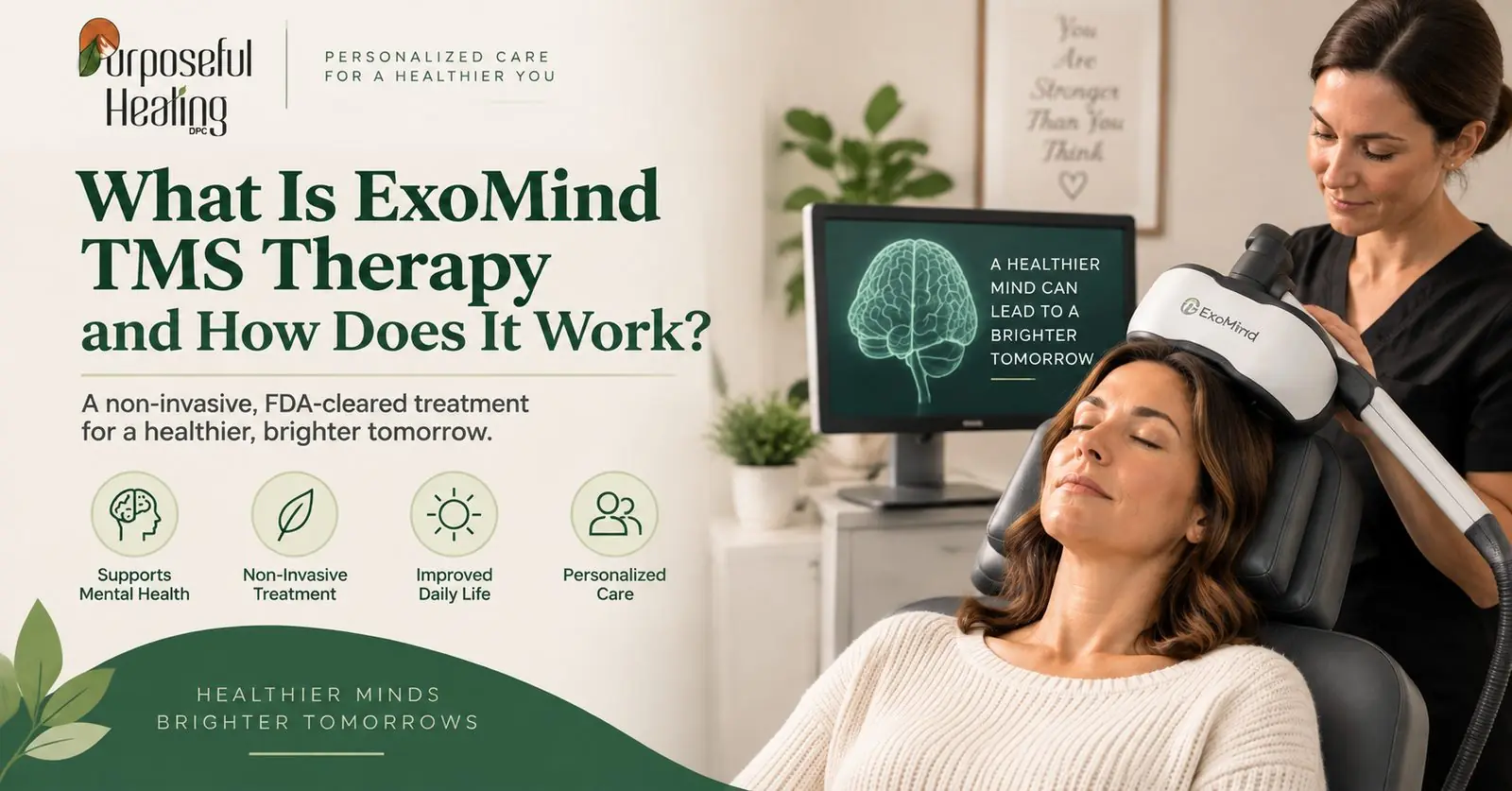
ExoMind is a drug-free TMS treatment that uses magnetic pulses to stimulate the brain areas involved in mood. Sessions are short, you stay awake, and you can drive home after.
Living with depression can make ordinary responsibilities feel exhausting. You may struggle to get out of bed, focus at work, stay present with family, or enjoy activities that once mattered. Changes in mood, motivation, sleep, appetite, and concentration can affect relationships and confidence. When symptoms continue despite your efforts, it is understandable to feel frustrated or wonder whether meaningful relief is possible.
Depression treatment may include psychotherapy, medication, lifestyle support, or a combination of approaches. These options help many people, but no single plan works for everyone. Some patients experience side effects, an incomplete response, or symptoms that return. Others want to discuss a drug-free treatment that can complement their current care. These situations often lead people to explore noninvasive options such as ExoMind TMS therapy.
Purposeful Healing DPC provides ExoMind TMS therapy in Dallas within an individualized, whole-person care model. Dr. Yaser Elqutub and the care team review each patient’s symptoms, health history, medications, previous treatments, and goals before recommending care. This approach helps determine whether TMS is appropriate and how it may fit alongside therapy, medical care, and practical lifestyle support.
What Is ExoMind TMS Therapy?
ExoMind is a noninvasive system that uses repetitive transcranial magnetic stimulation, commonly called rTMS. A treatment coil placed against the scalp sends focused magnetic pulses toward an area of the brain involved in mood regulation and executive function. There are no incisions, injections, or anesthesia, and the patient remains awake.
Unlike medication, which circulates throughout the body, TMS directs stimulation toward a selected brain region. ExoMind is FDA-cleared for depression. Anxiety, brain fog, cravings, and impulse control should not be described as independently cleared indications unless supported by applicable FDA labeling.
ExoMind is not psychotherapy and does not control thoughts. It differs from electroconvulsive therapy because TMS uses magnetic pulses without intentionally causing a seizure or requiring sedation. It may complement therapy services for emotional wellness and other appropriate care.
How Does ExoMind TMS Work in the Brain?
ExoMind targets the dorsolateral prefrontal cortex, or DLPFC, a region involved in mood, attention, decision-making, and cognitive control. Depression is complex, but altered activity within mood-related networks may contribute to symptoms.
The magnetic field induces a small electrical current in targeted brain tissue. Repeated stimulation may influence nerve-cell communication, a process related to neuroplasticity. Benefits, when they occur, usually develop across a treatment course.
The treatment process generally includes:
- Clinical screening: The clinician reviews symptoms, medications, seizure history, implanted devices, and previous treatment responses to determine whether TMS may be appropriate.
- Individual positioning: The coil is placed on a selected scalp area, and settings are established for the intended brain region.
- Repeated treatment: Multiple visits are scheduled because rTMS effects are expected to build. The prescribed protocol determines frequency and duration.
- Progress monitoring: Mood, sleep, daily function, and adverse effects are tracked so the team can evaluate response.
Who May Be a Candidate for ExoMind TMS?
An adult with depression may consider ExoMind after assessment, particularly when medication has not provided enough improvement, side effects are difficult, or a non-drug option is preferred. Interest alone does not establish eligibility.
Depression-like symptoms may also accompany thyroid disorders, medication effects, sleep problems, grief, bipolar disorder, and other conditions. Evaluation helps identify contributing factors. Purposeful Healing DPC’s guide to holistic primary care for anxiety and depression explains why emotional and physical health should be considered together.
Important screening considerations include:
- Implanted metal or devices: Disclose metal and electronic implants in or near the head. Dental fillings or braces may not exclude treatment, but the clinician must review them.
- Neurological and seizure history: Report seizures, head injuries, brain conditions, and relevant family history. These details help the clinician assess the rare risk of a seizure.
- Current mental-health symptoms: Mania, psychosis, suicidal intent, or an inability to remain safe may require urgent assessment or a different level of care before outpatient TMS.
What Happens During an ExoMind Treatment Session?
Before treatment, the clinician reviews your history, benefits, limitations, alternatives, and risks. During the session, you sit in a chair with the device against your scalp. You may hear clicking and feel tapping or tingling.
Purposeful Healing DPC states that sessions take under 30 minutes. Anesthesia and recovery are generally unnecessary, so most patients resume usual activities afterward. Your clinician should confirm the schedule because protocols vary.
To prepare for treatment:
- Bring an updated medication list: Include prescriptions, nonprescription products, supplements, and recent changes for an informed safety assessment.
- Track meaningful changes: Note mood, energy, sleep, work, and social engagement so progress is evaluated beyond one day.
- Follow the schedule: Repeated treatment is central to rTMS. Ask how missed appointments could affect your plan.
What Are the Benefits, Limitations, and Side Effects?
ExoMind is noninvasive, requires no surgery or anesthesia, and usually allows a quick return to normal activities. It may complement existing depression care without requiring an abrupt medication change.
Response varies. Some people improve, some experience partial change, and others may not benefit. ExoMind isавно not a cure or guaranteed way to change mood, focus, weight, or behavior. Support may also include compassionate strategies for depression.
Possible side effects and precautions include:
- Temporary discomfort: Headache, scalp discomfort, tingling, or facial twitching may occur and should be reported.
- Treatment noise: TMS produces clicking sounds, so hearing protection may be used according to protocol.
- Rare seizure risk: A seizure is uncommon but serious, making thorough safety screening essential.
Never stop antidepressants or other prescribed medicines without guidance. TMS is not emergency care. Anyone in immediate danger or considering self-harm should call 911, visit the nearest emergency department, or call or text 988.
How Can Whole-Person Care Support ExoMind Treatment?
Sleep, activity, nutrition, stress, medical conditions, and relationships can influence mental health. Whole-person care does not suggest that willpower or lifestyle alone can resolve depression. It supports the complete person while using appropriate evidence-based care.
Some patients may benefit from lifestyle counseling in Dallas or mindfulness exercises for anxiety and depression alongside clinical care. These supports should not replace necessary medical or psychological treatment.
Patients can learn about the clinic’s direct primary care approach and review the Purposeful Healing care team before scheduling.
How Can You Take the Next Step in Dallas?
If depression continues to interfere with work, sleep, relationships, or quality of life, a consultation can help determine whether ExoMind belongs in your plan. Ask about evidence, alternatives, cost, the recommended schedule, possible side effects, and how progress will be measured.
Purposeful Healing DPC offers ExoMind TMS therapy in Dallas within a personalized care setting. To discuss your symptoms and treatment history, contact Purposeful Healing DPC or call (469) 949-2730. A consultation is an opportunity to make an informed decision, not a commitment to begin treatment.
FAQs
What Does ExoMind TMS Therapy Treat?
ExoMind is FDA-cleared for depression. A clinician should confirm the diagnosis and intended use before treatment. Other promoted mental-wellness applications do not automatically have the same clearance.
How Quickly Does ExoMind TMS Work?
Response time varies, and improvement is not guaranteed. Because rTMS is delivered as a series, clinicians usually evaluate changes across multiple sessions rather than judging one visit.
How Many ExoMind Sessions Will I Need?
The number depends on the prescribed protocol, symptoms, medical history, and response. Your clinician should provide a personalized schedule after screening.
What Does an ExoMind Session Feel Like?
Patients may hear clicking and feel tapping, tingling, or pressure on the scalp. Tell the treatment team promptly if the session becomes painful or difficult to tolerate.
Does ExoMind Require Anesthesia or Downtime?
ExoMind is noninvasive and generally requires no anesthesia. Most patients can resume regular activities after treatment, although individual clinical instructions take priority.
What Are the Common Side Effects of ExoMind?
Possible effects include temporary headache, scalp discomfort, tingling, or facial twitching. The clinician should also explain rare risks, including seizure.
Can I Take Antidepressants During ExoMind Treatment?
TMS may be used alongside medication in some cases. Never stop or change an antidepressant without guidance from the appropriate prescribing professional.
Who Should Not Receive ExoMind TMS Therapy?
People with certain implants, seizure risks, or neurological conditions may not qualify. A detailed medical screening is necessary to determine individual eligibility.
Is ExoMind the Same as Electroconvulsive Therapy?
No. ExoMind uses magnetic pulses while the patient is awake and does not intentionally cause a seizure. Electroconvulsive therapy is a different procedure performed under anesthesia.
Is ExoMind TMS Therapy Available in Dallas?
Yes. Purposeful Healing DPC provides ExoMind TMS therapy in Dallas. Contact the clinic for an evaluation, current pricing, scheduling information, and personalized guidance.
Final Thoughts
ExoMind TMS therapy is a noninvasive form of repetitive transcranial magnetic stimulation used for depression. It targets a mood-related brain region through repeated magnetic pulses and may be an option when previous care has not provided adequate relief or a patient wants to discuss a drug-free approach. A sound decision begins with careful diagnosis, safety screening, realistic expectations, and whole-person care.
Medical Disclaimer
This content is educational and is not a substitute for medical diagnosis or treatment. Consult a qualified healthcare professional; call 911 or 988 for an immediate mental health crisis in the United States.