Reiki Healing in Dallas: What to Expect in Your First Session
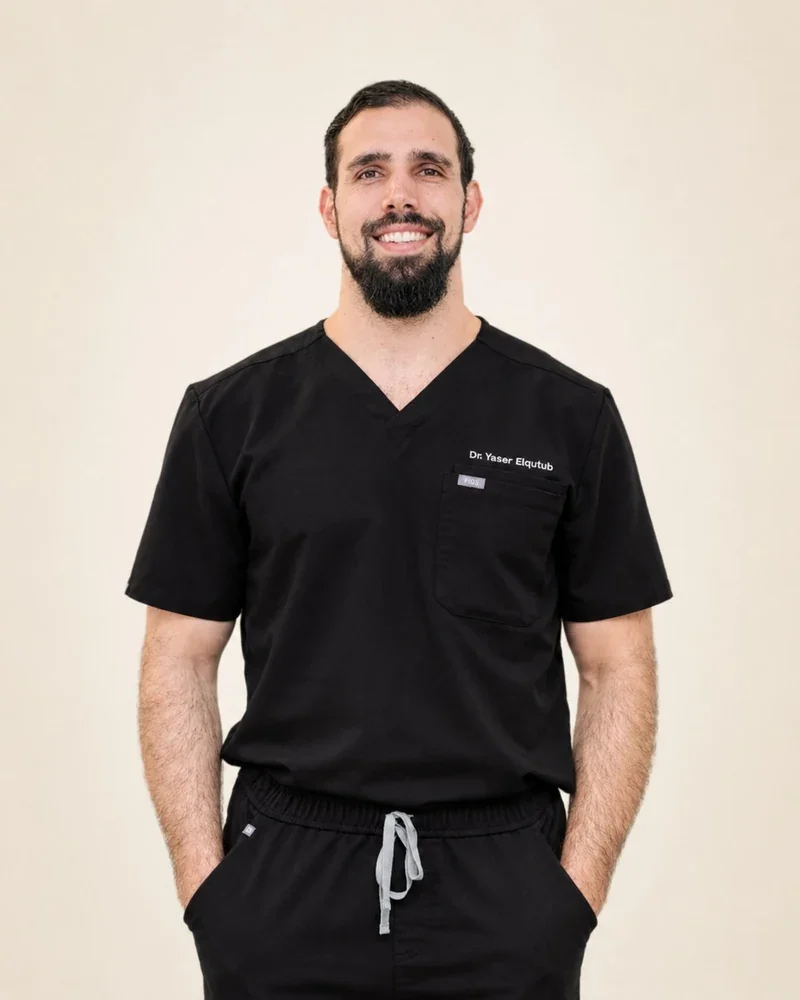 Yaser Elqutub
Walking into your first Reiki session with no idea what to expect is completely normal. Most people arrive with a mix of curiosity and uncertainty. Is it spiritual? Is it medical? Will I feel anything? Do I need to believe in it for it to work?
These are fair questions. And by the end of this article, you will have clear, honest answers to all of them, along with a practical picture of what your first Reiki healing session in Dallas will actually look like from start to finish.
What Is Reiki Therapy?
Reiki is a form of energy healing that originated in Japan in the early 20th century, developed by Mikao Usui. The word itself comes from two Japanese words: “rei,” meaning universal, and “ki,” meaning life energy. The practice is built on the idea that the human body has a natural energy field, and that disruptions or blockages in that field contribute to physical tension, emotional stress, and illness.
During a Reiki session, a trained practitioner channels energy through their hands, placing them lightly on or just above specific areas of the body. The goal is to restore the natural flow of energy, supporting the body’s own ability to relax, recover, and heal.
Reiki is not a medical treatment and does not diagnose or cure disease. But it is increasingly recognized as a valuable complementary therapy. Hospitals including Memorial Sloan Kettering Cancer Center and the Cleveland Clinic now offer Reiki as part of their integrative care programs, acknowledging its role in reducing anxiety, improving sleep, and supporting overall patient wellbeing.
How Reiki Energy Healing Works
Reiki works with the concept that physical and emotional health are connected through the body’s energy systems. When life energy flows freely, the body is better equipped to manage stress, regulate mood, and recover from illness or injury. When that flow is disrupted, people often experience tension, fatigue, emotional heaviness, or pain that does not have a clear physical cause.
The practitioner acts as a channel for this energy, not a source of it. Their role is to help clear blockages and restore balance so the body can do what it is naturally designed to do: heal itself.
Many Reiki practitioners also work with the concept of chakras, which are energy centers located throughout the body. Each chakra is associated with specific physical and emotional functions. A Reiki session may focus on balancing these centers, particularly if you are carrying stress in specific areas or dealing with recurring emotional patterns.
You do not need to hold any particular belief system for Reiki to be effective. The experience tends to speak for itself.
What to Expect Before Your First Session
Knowing how to prepare for your first Reiki session makes a big difference in how relaxed and open you feel walking in.
Wear comfortable, loose-fitting clothing. You will remain fully clothed throughout the session, so there is no need to undress. Avoid heavy meals right before your appointment. Try to arrive a few minutes early so you are not rushing, which can make it harder to settle into the session.
Your practitioner will begin with a short intake conversation. They will ask about your current health, any areas of physical discomfort, what you are hoping to get from the session, and whether you have any experience with energy healing. This is also a good time to mention anything that might affect how you receive touch, including injuries or areas you prefer the practitioner to avoid.
What Happens During a Reiki Session
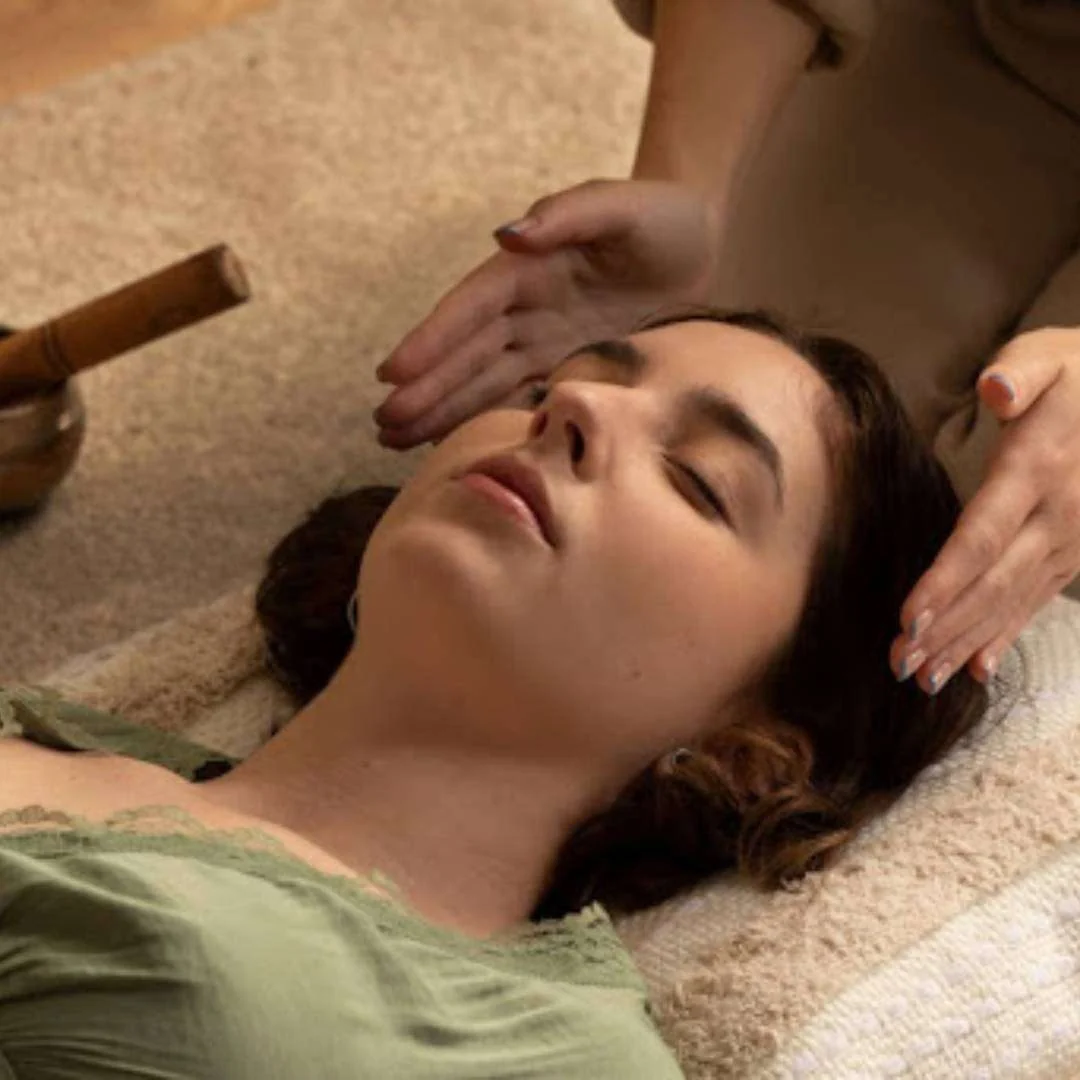
Once the session begins, you will lie down fully clothed on a comfortable treatment table. Soft lighting, calming music, and a quiet environment are standard. The practitioner will begin by grounding themselves and setting an intention for your session.
They will then move through a series of hand positions, placing their hands either gently on the body or hovering just above it. Common areas include the head, neck, shoulders, chest, abdomen, and legs. Each position is held for several minutes as the practitioner works to sense and address energy patterns in that area.
What you feel during this process varies from person to person. Some people experience warmth or a gentle tingling under the practitioner’s hands. Others feel a deep sense of calm, almost like the feeling just before falling asleep.
There is no wrong experience. Whatever you feel is right for you at that moment.
A typical Reiki session lasts between 45 and 60 minutes. At the end, the practitioner will gently bring the session to a close and give you a moment to come back to full awareness before sitting up.
Benefits of Reiki Healing
Reiki is used for a wide range of physical and emotional concerns. The most commonly reported benefits include:
Stress and anxiety relief. The deep relaxation response triggered by Reiki directly counters the effects of chronic stress. Many people report feeling significantly calmer after a single session.
Improved sleep. Patients dealing with insomnia or disrupted sleep often find that Reiki helps regulate their nervous system, making it easier to fall and stay asleep.
Emotional healing and mental clarity. Reiki creates space for emotional processing. People working through grief, burnout, anxiety, or emotional numbness often find sessions help them access and release feelings that have been stuck.
Pain relief. While Reiki is not a substitute for medical pain management, it is used as a supportive tool for people managing chronic pain, headaches, and post-surgical discomfort. The relaxation response alone can reduce the perception of pain.
Support during illness or recovery. Reiki is frequently used alongside conventional medical treatment to support patients through cancer treatment, surgery recovery, and chronic illness management. It does not interfere with medications or medical procedures.
Chakra balancing and spiritual growth. For those interested in the energetic and spiritual dimensions of Reiki, regular sessions can support a sense of inner alignment, purpose, and connection.
Is Reiki Safe for First-Timers?
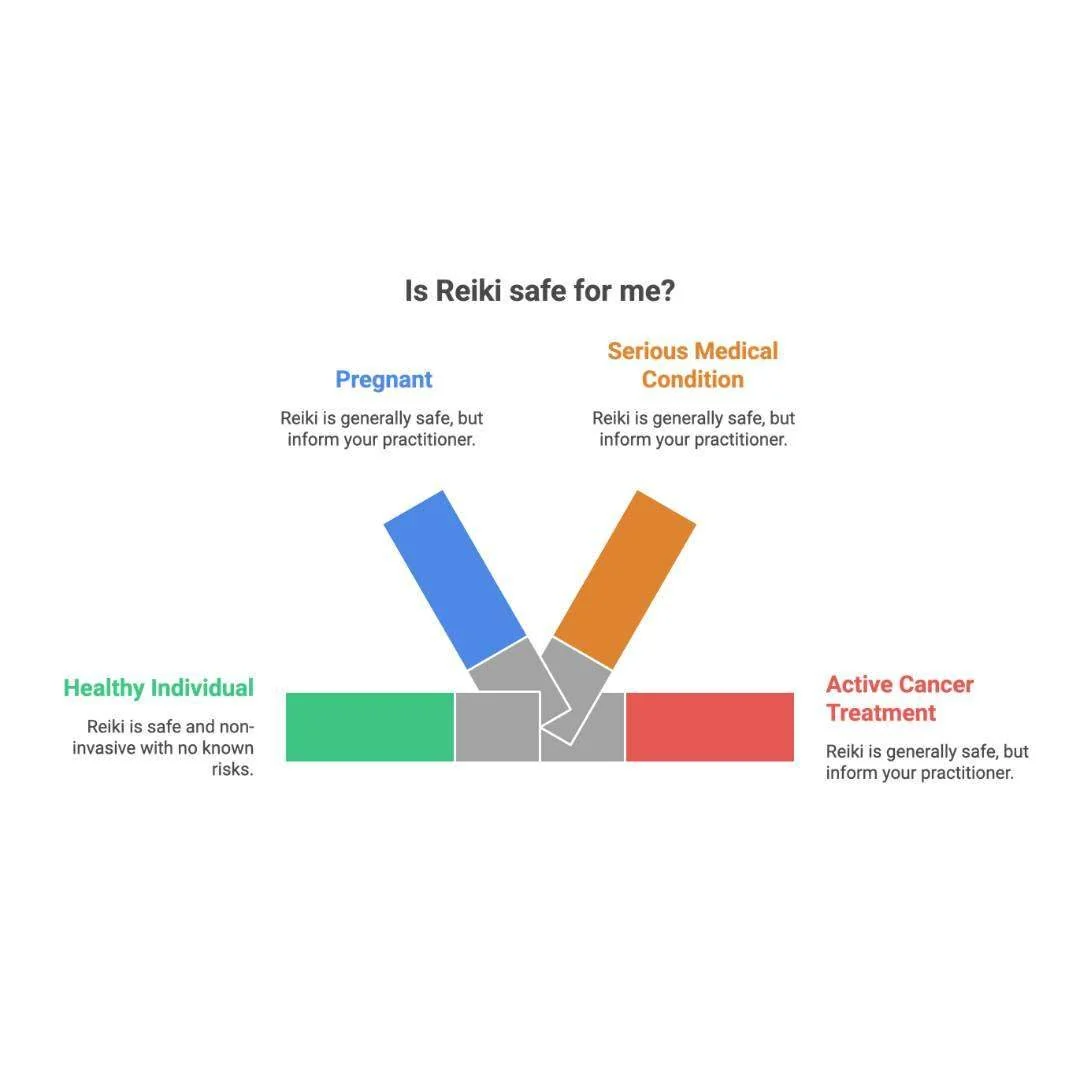
Yes. Reiki is one of the gentlest therapeutic modalities available. It is non-invasive, requires no medication, and carries no known risks for healthy individuals. The practitioner does not manipulate tissue, apply pressure, or require any physical exertion from you.
If you are pregnant, managing a serious medical condition, or receiving active cancer treatment, it is worth letting your practitioner know beforehand. Reiki is generally considered safe in these situations, but your practitioner should be aware so they can tailor the session appropriately.
What to Do After Your Session
Drink plenty of water after your session. This is standard advice after most holistic therapies because the body continues to process and release after the session ends. Some people feel deeply relaxed or slightly sleepy for the rest of the day, which is completely normal.
You may also notice emotional shifts in the 24 to 48 hours following a session. Dreams may be more vivid. You might feel more aware of feelings you had been carrying without realizing it. This is part of the process.
Most practitioners recommend at least three sessions before drawing conclusions about whether Reiki is working for you. A single session gives you a taste, but the cumulative effects build over time.
Reiki Healing at Purposeful Healing DPC in Dallas
At Purposeful Healing DPC, Reiki healing is offered as part of a fully integrated approach to wellness. Rather than treating it as a standalone add-on, the team incorporates Reiki into a broader care plan that may also include functional medicine, lifestyle counseling, massage therapy, and chronic disease management, depending on what each patient needs.
Dr. Yaser Elqutub and Dr. Ramisa Rahman lead a care model built on the belief that physical health and emotional wellbeing are not separate concerns. Reiki fits naturally into that philosophy. Members on the Purposeful Plus plan receive one Reiki session per month as part of their membership, alongside physical therapy, personal training, massage, and dietitian access, all for $499 per month.
Book at purposefulhealingdpc.com or call (469) 949-2730.
Frequently Asked Questions
What happens during a Reiki healing session?
You lie fully clothed on a treatment table while a trained practitioner places their hands lightly on or above specific areas of your body. The session typically lasts 45 to 60 minutes. Most people experience deep relaxation, warmth, or emotional release during the process.
How long does a Reiki session last?
Most Reiki sessions run between 45 and 60 minutes, depending on the practitioner and the areas being addressed. Introductory sessions may be shorter.
Is Reiki healing safe for first-timers?
Yes. Reiki is gentle, non-invasive, and carries no known risks for healthy individuals. If you have a medical condition or are pregnant, inform your practitioner beforehand so they can adjust accordingly.
Can Reiki help with physical pain?
Reiki is not a medical treatment for pain, but it is used as a supportive therapy for people managing chronic pain, headaches, and post-surgical discomfort. The relaxation response it triggers can reduce the perception of pain and support overall recovery.
How many Reiki sessions do I need before I notice results?
Many people feel a difference after their first session. However, most practitioners recommend at least three sessions to fully experience the cumulative benefits of Reiki therapy.
Do I need to believe in Reiki for it to work?
No. Reiki does not require any specific belief system. Coming with an open mind and a willingness to relax is enough.
Medical Disclaimer
The information in this article is for educational purposes only and is not a substitute for professional medical advice, diagnosis, or treatment. Reiki is a complementary wellness practice and should not replace care from a licensed medical provider. Always consult your physician before beginning any new wellness therapy, especially if you are managing a chronic condition, are pregnant, or are undergoing active medical treatment.