Acute Pain Care Plan: Tailored Treatments for Fast Recovery
 Yaser Elqutub
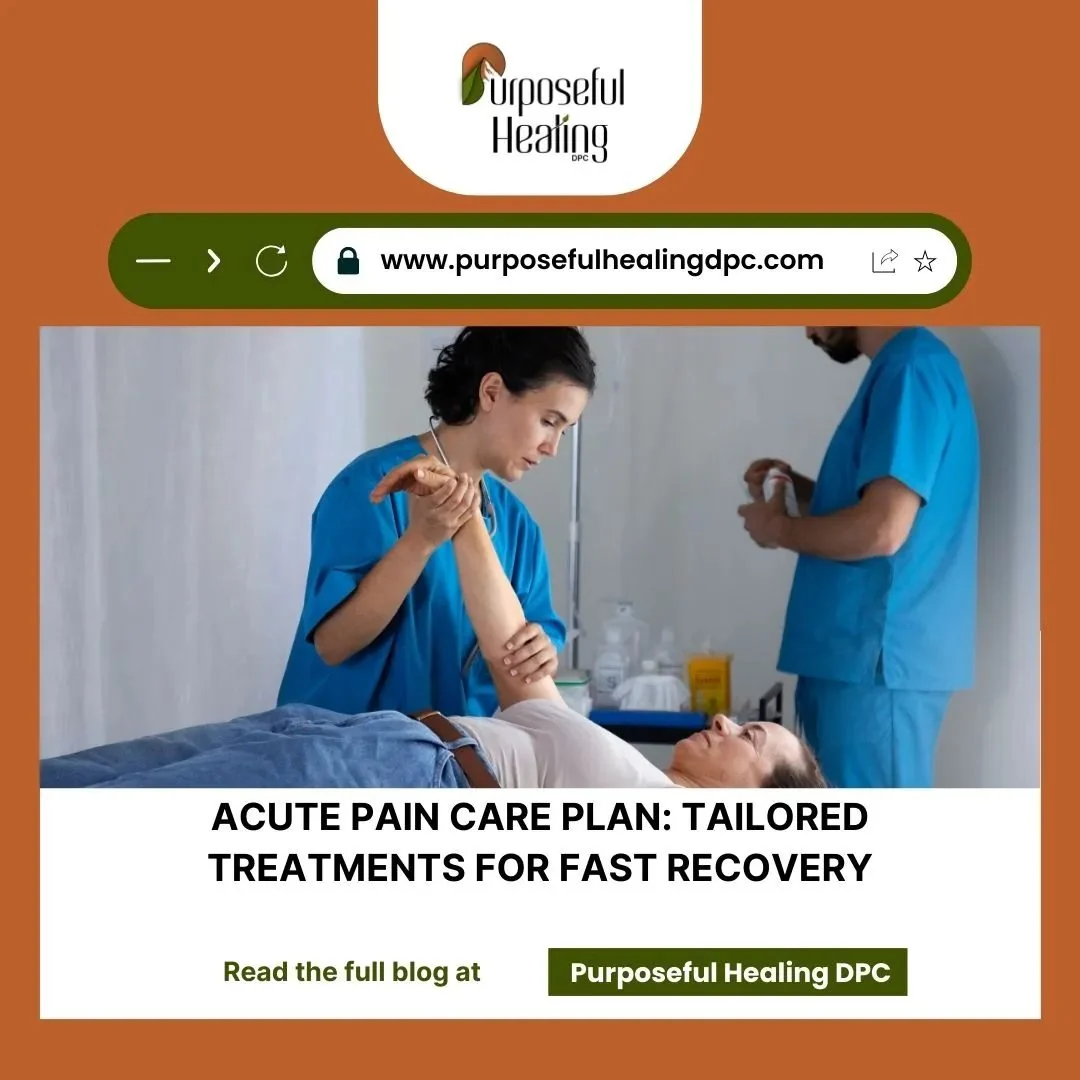
Acute pain can significantly impact your ability to function and enjoy everyday life. Whether it stems from an injury, surgery, or sudden illness, managing acute pain effectively is crucial for a swift recovery. A well-structured acute pain care plan can make all the difference. In this blog, we’ll explore what an acute pain care plan entails, how it is tailored to individual needs, and why a personalized approach is essential for fast and effective recovery.
Understanding Acute Pain
Before diving into the specifics of care plans, it’s important to understand what acute pain is. Acute pain is typically short-term, lasting from a few hours to a few weeks, and is often caused by a specific injury or medical condition. It acts as a warning signal from the body, indicating that something is wrong. Common causes of acute pain include:
- Injuries: Such as fractures, sprains, or cuts.
- Surgeries: Post-operative pain is a common form of acute pain.
- Infections or Illnesses: Conditions like appendicitis or severe infections can result in acute pain.
Unlike chronic pain, which persists for months or even years, acute pain is temporary and usually resolves once the underlying cause is treated.
What Is an Acute Pain Care Plan?
An acute pain care plan is a comprehensive, individualized treatment strategy designed to manage acute pain effectively. The plan aims to alleviate discomfort, prevent the pain from becoming chronic, and support the body’s natural healing process. These plans can vary significantly depending on the cause and severity of the pain, as well as the patient’s overall health and specific needs.
The core components of an acute pain care plan typically include:
- Pain Assessment: A thorough evaluation of the type, location, intensity, and cause of the pain.
- Tailored Treatment Plan: This can include medications, physical therapy, and other interventions like osteopathic manipulative treatment (OMT) or neural therapy.
- Ongoing Monitoring: Regular assessments to track progress and adjust the care plan as needed.
For individuals in Dallas, many clinics offer affordable and personalized acute pain care plans that focus on fast recovery while minimizing discomfort.
The Role of Nursing in Acute Pain Management
Nurses play a critical role in creating and implementing acute pain nursing care plans. They collaborate with the healthcare team to ensure the patient’s pain is managed effectively, addressing both the physical and emotional aspects of pain.
Acute Pain Nursing Care Plan Goals
The primary goals of an acute pain nursing care plan include:
- Pain Relief: The first and foremost goal is to alleviate the patient’s pain using a combination of medications and non-pharmacological interventions.
- Preventing Complications: Untreated or poorly managed acute pain can lead to complications such as delayed healing, immobility, or even the development of chronic pain.
- Improving Functionality: The care plan aims to restore the patient’s ability to perform daily activities, promoting mobility and independence.
- Patient Education: Nurses ensure that patients understand how to manage their pain, use medications correctly, and follow through with other aspects of their care plan.
By working closely with the patient and the healthcare team, nurses can help develop a comprehensive and effective nursing care plan for acute pain.
Components of an Acute Pain Care Plan
A well-designed acute pain care plan should be personalized to the patient’s unique situation. Here’s what an effective plan typically includes:
1. Pain Diagnosis and Assessment
The first step in any acute pain care plan is diagnosing the source and intensity of the pain. This involves a detailed pain assessment where the healthcare provider or nurse will ask questions about:
- The location of the pain.
- The severity of the pain, often measured on a scale from 1 to 10.
- The duration of the pain.
- Factors that worsen or alleviate the pain.
Diagnostic tests such as X-rays, MRIs, or blood tests may also be necessary to determine the underlying cause of the pain.
2. Pain Management Medications
Medications are often a cornerstone of acute pain care. Depending on the type and severity of the pain, the following medications might be used:
- Nonsteroidal Anti-Inflammatory Drugs (NSAIDs): These are commonly used to treat mild to moderate pain. They help reduce inflammation and relieve pain.
- Opioids: For more severe pain, opioids might be prescribed, but these are generally used with caution due to the risk of addiction.
- Local Anesthetics: For localized pain, such as post-surgical pain, local anesthetics might be injected to block nerve signals.
In many cases, a combination of medications may be used to achieve optimal pain relief while minimizing side effects.
3. Non-Pharmacological Interventions
Medications are not the only way to manage acute pain. Non-pharmacological treatments can be equally effective and often complement traditional pain relief methods. These may include:
- Physical Therapy: Physical therapists help patients regain mobility and strength while reducing pain through targeted exercises and stretches.
- Heat and Cold Therapy: Applying heat or cold packs to the affected area can reduce inflammation and alleviate pain.
- Osteopathic Manipulative Therapy (OMT): OMT is a hands-on treatment where a doctor of osteopathy manipulates the muscles and joints to improve circulation and relieve pain.
- Neural Therapy: This alternative treatment involves injections to the affected area, targeting nerve-related pain.
4. Lifestyle Modifications
Sometimes, modifying lifestyle factors can significantly improve recovery. For example, maintaining a healthy diet, getting enough sleep, and staying hydrated can support the body’s natural healing process and improve pain management. Additionally, avoiding activities that exacerbate pain is essential for recovery.
5. Patient Education and Empowerment
A critical component of any acute pain care plan is patient education. Patients need to be aware of how to manage their pain effectively at home, including how to use medications safely, how to perform exercises, and what to do if the pain worsens. Empowering patients with knowledge can improve outcomes and prevent complications.
Tailoring the Plan: Personalized Acute Pain Care Plan
One of the key aspects of a successful acute pain care plan is personalization. Every person’s pain is unique, and treatment should be tailored to their specific condition, health history, and personal preferences. In Dallas, clinics offering personalized acute pain care plans focus on creating a strategy that is not only effective but also aligned with the patient’s lifestyle and needs.
Customized Pain Relief Strategies
Personalization means that the care plan will be customized based on the following factors:
- Type of Pain: Is it due to a surgical procedure, injury, or illness?
- Pain Intensity: The treatment will differ for mild pain versus severe, debilitating pain.
- Patient Preferences: Some patients may prefer to avoid opioids, while others may be more comfortable with alternative therapies like acupuncture or physical therapy.
- Underlying Health Conditions: The patient’s overall health, including any pre-existing conditions like diabetes or heart disease, will influence the pain management strategy.
Benefits of a Personalized Acute Pain Care Plan
A personalized plan ensures that the treatment is effective, safe, and fits seamlessly into the patient’s life. It also reduces the risk of over- or under-treating the pain, which can lead to complications. Clinics in Dallas specializing in personalized acute pain care plans are known for their holistic approach, combining modern medical treatments with supportive therapies for fast recovery.
Affordable Acute Pain Care Plan in Dallas, TX
Affordability is a significant concern for many patients seeking acute pain management. Fortunately, there are many clinics in Dallas that offer affordable acute pain care plans without compromising on the quality of care. These clinics often provide comprehensive packages that include consultations, treatments, and follow-up care, ensuring that patients get the best value for their investment.
When looking for an affordable acute pain care plan in Dallas, it’s essential to choose a clinic that offers personalized care, as this can lead to better outcomes and a faster recovery.
Conclusion: Why a Tailored Acute Pain Care Plan Is Essential for Fast Recovery
Managing acute pain effectively requires a comprehensive and tailored approach. A well-structured acute pain care plan not only relieves pain but also supports the body’s natural healing process, preventing complications and promoting a faster recovery. With options like medications, physical therapy, osteopathic manipulative treatment, and patient education, a personalized acute pain care plan addresses both the symptoms and root causes of pain.
For those in Dallas, finding an affordable and personalized acute pain care plan can make all the difference in achieving fast relief and long-term health. Whether your pain stems from surgery, an injury, or an illness, a customized care plan can help you recover quickly and safely.
Disclaimer:
The information provided in this blog is for educational purposes only and does not substitute for professional medical advice. For specialized services, contact Purposeful Healing or another related clinic.