No Insurance? No Problem. Why DPC Is Dallas’s Best Healthcare Secret
 Yaser Elqutub

What is Direct Primary Care, and why are so many Dallas residents calling it the city’s best-kept healthcare secret? For people without insurance, rising premiums, surprise bills, and rushed appointments make traditional healthcare stressful and expensive. Many patients delay care because they cannot afford unpredictable costs or long waits.
At Purposeful Healing Direct Primary Care in Dallas, patients gain access to a patient-centered healthcare model focused on transparency, affordability, and comprehensive care. Dr. Yaser, a highly experienced primary care physician, leads the PFH team with a prevention-focused approach, managing chronic conditions, providing lifestyle guidance, and coordinating care for uninsured and underinsured patients.
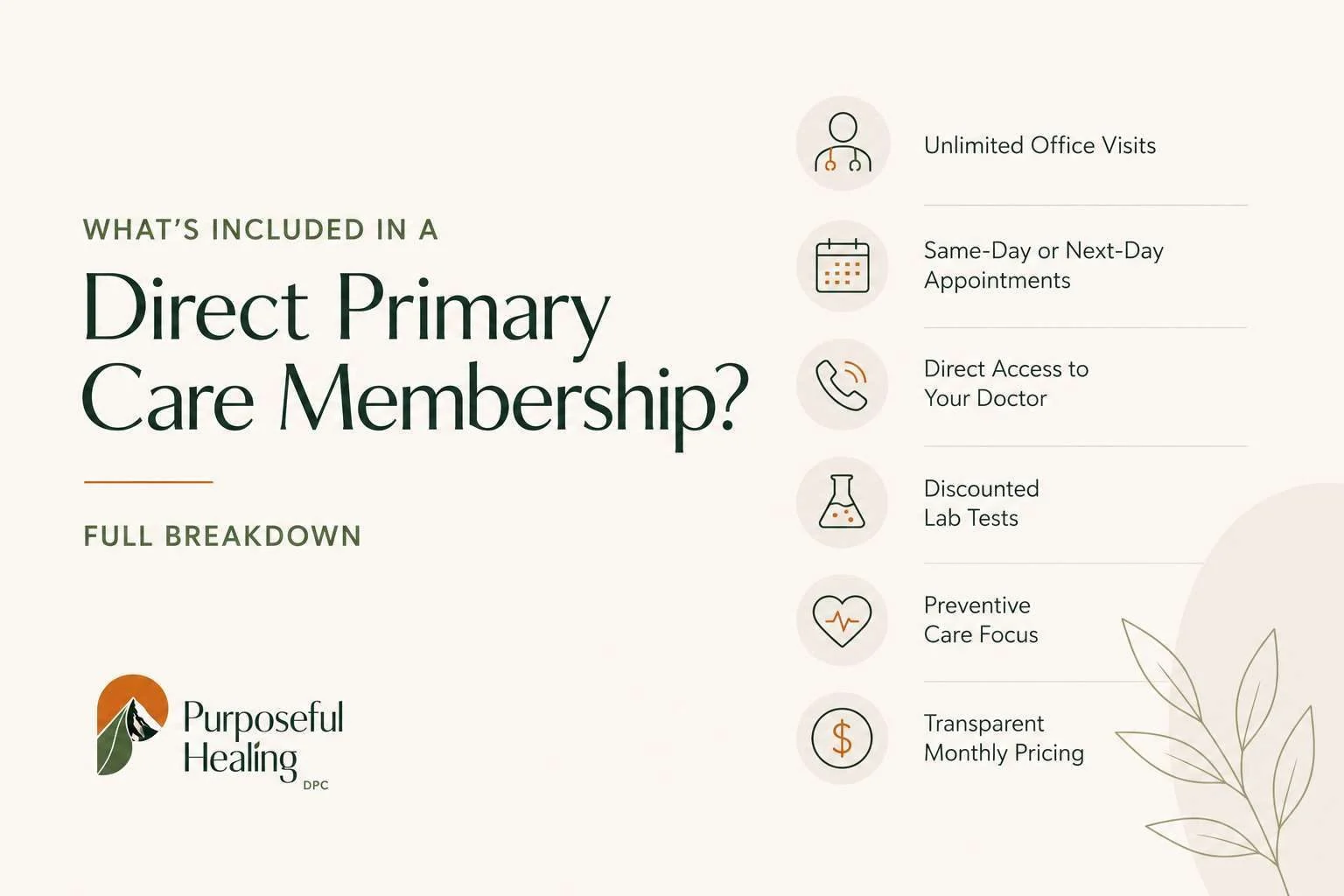
Instead of billing insurance, patients pay a simple monthly membership for ongoing care, which allows for extended, unrushed visits, same-day or next-day appointments, and direct communication with their physician. Understanding what Direct Primary Care is helps patients see that quality medical care can exist without insurance barriers, hidden fees, or complicated rules, making healthcare accessible, reliable, and personalized for Dallas families today.
Who Benefits Most From Direct Primary Care in Dallas?
Direct Primary Care Dallas is designed for people who want simplicity, access, and clarity in their healthcare. It is especially valuable for:
- Individuals without health insurance
- Families seeking affordable healthcare without insurance
- Self-employed professionals and small business owners
- Patients frustrated with short, rushed visits
- Those managing chronic conditions who need consistent follow-up
The Direct Primary Care model healthcare removes administrative barriers so doctors can focus entirely on patient care, not paperwork or insurance approvals. This creates a stronger doctor-patient relationship and improves long-term health outcomes.
How Does the Direct Primary Care Model Work?
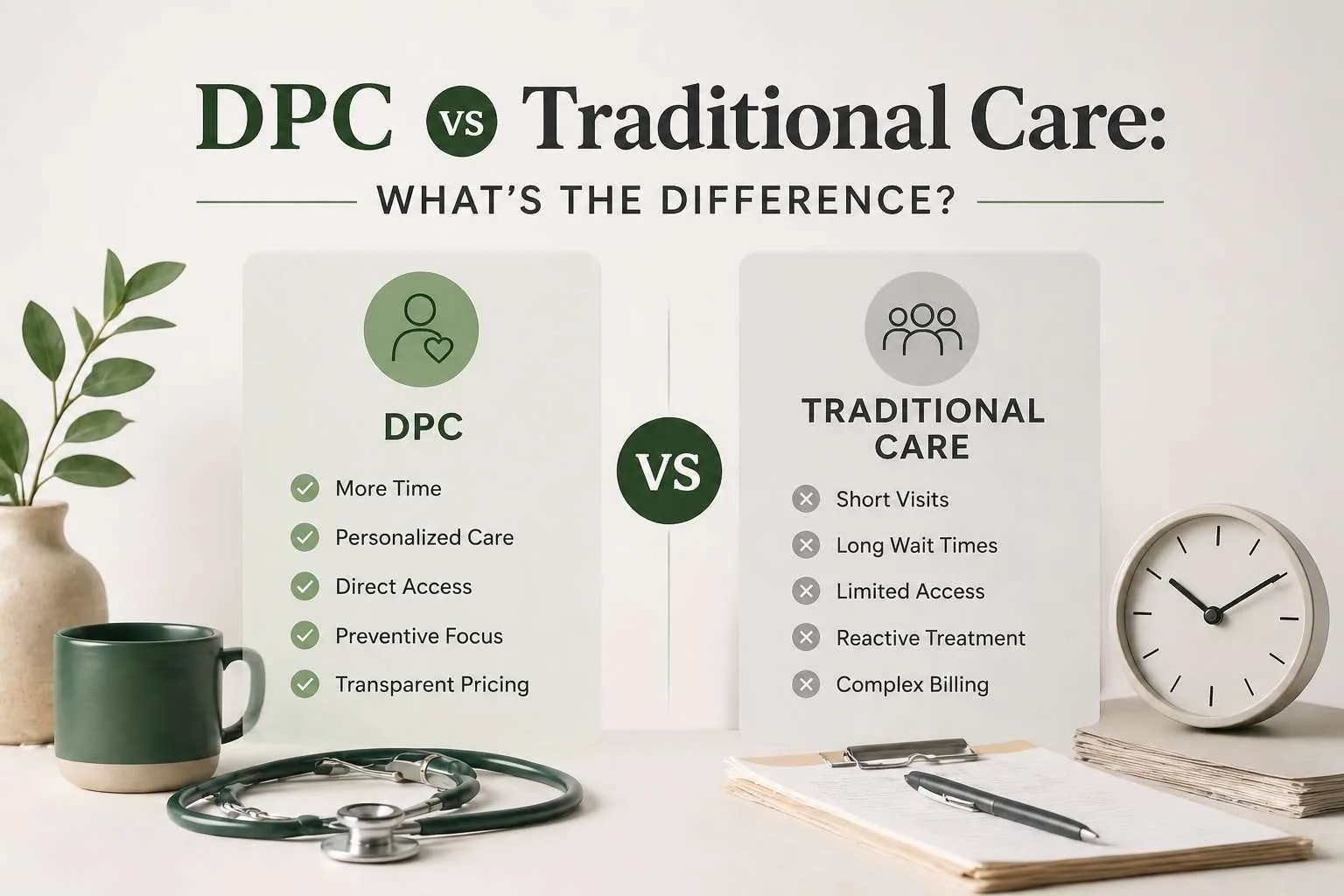
To understand what Direct Primary Care is and how it works, let’s compare it to traditional healthcare.
Direct Primary Care vs Traditional Healthcare
In traditional healthcare:
- Insurance companies dictate visit length and coverage
- Patients pay premiums, deductibles, and copays
- Appointments are often limited to 10–15 minutes
In contrast, Direct Primary Care works differently:
- Patients pay a flat monthly membership fee
- No insurance billing is involved
- Visits are longer, more personal, and more thorough
This patient-centered healthcare model prioritizes prevention, early treatment, and long-term health outcomes, which often reduces the need for emergency care or expensive interventions later.
How Much Does Direct Primary Care Cost Without Insurance?
One of the most common questions is: How much does Direct Primary Care cost without insurance? For uninsured patients, cost transparency is often the deciding factor when choosing healthcare.
Unlike traditional insurance plans, DPC offers predictable pricing and transparency. Patients know exactly what they are paying each month and what services are included, which makes budgeting for healthcare far more manageable.
Cost Comparison: Purposeful Healing DPC vs Traditional Insurance in Dallas
| Feature | Purposeful Healing Direct Primary Care | Traditional Insurance Healthcare |
| Monthly Cost | Flat monthly membership: $250 (Basic), $499 (Plus) or $999 (Elite) for adults; $75 for kids 17 and under | High monthly premiums |
| Visit Fees | $0 per visit | Copays and coinsurance |
| Deductibles | None | Often thousands of dollars |
| Appointment Length | Extended, unrushed visits | Short visits |
| Access | Same-day or next-day care | Long wait times |
| Insurance Required | No | Yes |
| Pricing Transparency | Clear and predictable | Often unclear |
| Best For | Uninsured and families | Employer-based plans |
This structure answers how DPC saves money for uninsured people while improving access and care quality.
Is Direct Primary Care Affordable for Families Without Insurance?
Yes. for low-income patients and families Direct Primary Care offers a realistic alternative to traditional plans. Many families find that DPC membership costs less than monthly insurance premiums alone.
Benefits of DPC for Families Without Insurance
- No surprise bills
- Unlimited primary care access
- Lower prescription and lab costs
- Better continuity of care
Families also benefit from knowing that children and adults can see the doctor without worrying about additional visit charges. This encourages timely care, better follow-up, and fewer missed health issues.
Can You Get the Same Quality of Care With DPC as Insurance?
Patients often ask: Can I get the same quality of care with DPC as traditional insurance?
The answer is yes- and often better.
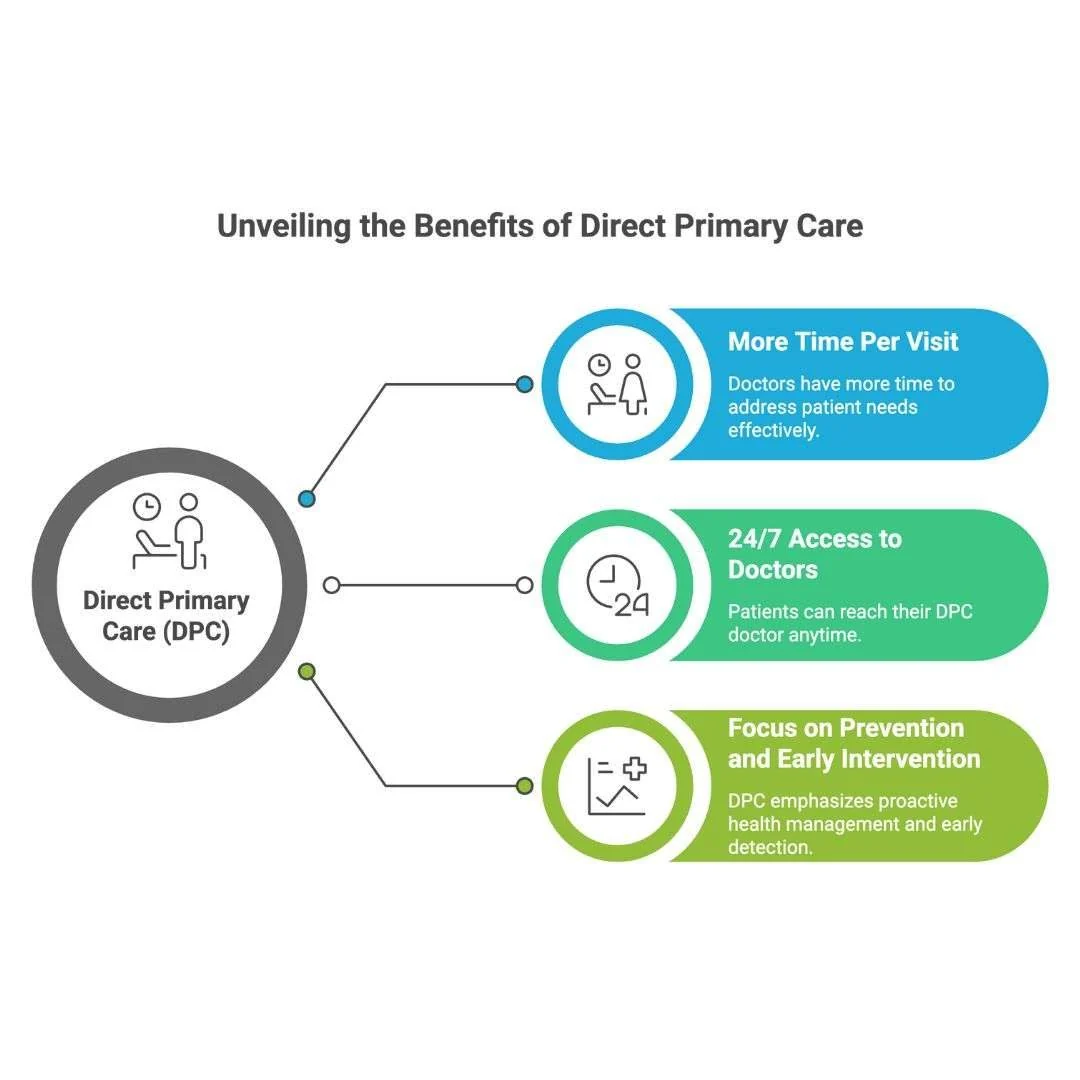
With DPC healthcare, doctors manage smaller patient panels, allowing them to:
- Spend more time per visit
- Provide 24/7 access to DPC doctors
- Focus on prevention and early intervention
As a result, patients often report higher satisfaction, better communication, and improved trust in their healthcare provider.
Where Can You Find a Direct Primary Care Provider in Dallas?
If you are searching for DPC doctors or providers in Dallas, Purposeful Healing Direct Primary Care stands out for its personalized, relationship-based care.
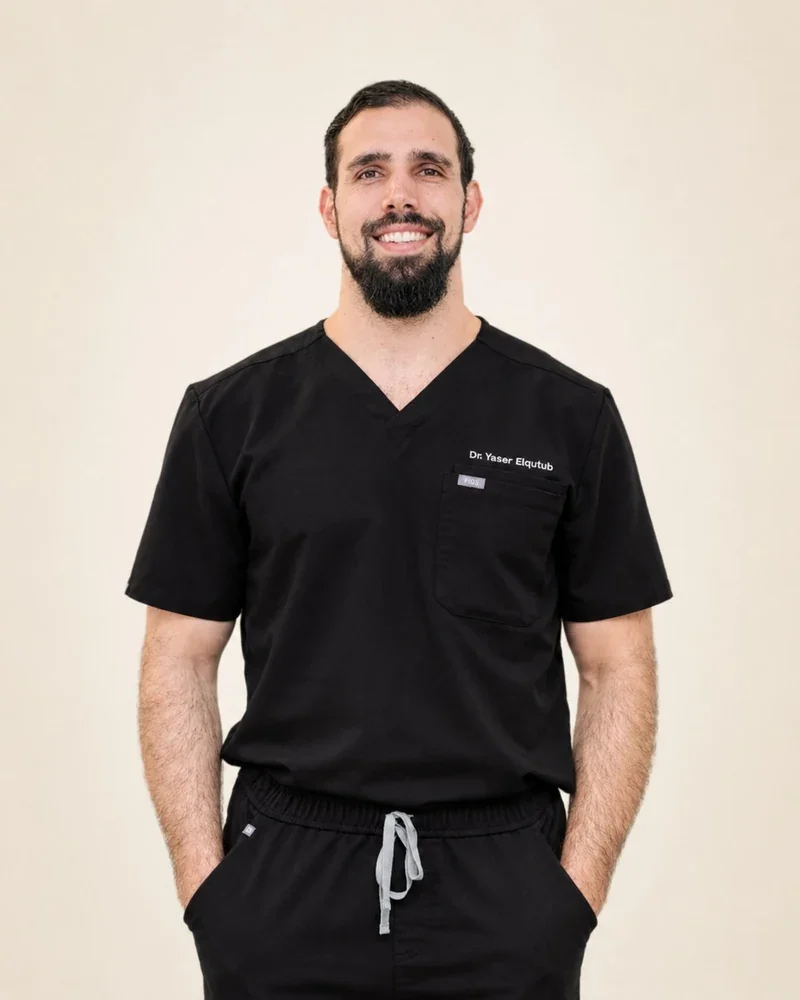
At PFH, medical care is led by Dr. Yaser, a highly experienced primary care physician known for his comprehensive, prevention-focused approach. Dr. Yaser specializes in managing chronic conditions, preventive care, lifestyle-based interventions, and coordinated care for uninsured and underinsured patients. His practice emphasizes longer appointments, careful listening, and evidence-based treatment plans tailored to each patient’s needs. This approach allows patients to receive consistent, high-quality care without insurance restrictions or rushed visits.
Why Choose Purposeful Healing Direct Primary Care?
- No insurance required
- Same-day or next-day appointments
- Direct communication with your physician
- Transparent pricing
- Emphasis on long-term wellness
Purposeful Healing (PFH) patients get same-week visits and direct messaging with their doctor for one flat monthly fee.
Direct Primary Care vs PPO and HMO Insurance Plans
DPC vs PPO Insurance
- No network restrictions
- No referrals needed
- Predictable costs
Direct Primary Care vs HMO Healthcare
- No gatekeeping or coverage denials
- More autonomy for patients
- Greater continuity of care
These differences highlight the convenience of DPC healthcare for modern patients.
Conclusion
Understanding what Direct Primary Care helps patients see that quality healthcare does not have to depend on insurance plans, complex billing, or rushed appointments. For uninsured individuals and families in Dallas, the Direct Primary Care model offers transparency, affordability, and reliable access to care when it is needed most.
At Purposeful Healing Direct Primary Care, Dr. Yaser provides personalized, relationship-based healthcare focused on prevention, early intervention, and long-term wellness. His expertise in comprehensive primary care allows patients to receive consistent medical guidance, extended visits, and direct communication without insurance barriers. By combining medical expertise with the simplicity of Direct Primary Care, PFH helps patients regain control over their healthcare decisions while reducing financial stress. For those seeking affordable healthcare in Dallas without insurance, Direct Primary Care offers a practical, patient-first solution built on trust, access, and continuity of care.
FAQs
What types of medical visits are included in a DPC membership at PFH?
Membership includes preventive care, chronic condition management, same-day sick visits, medication management, and care coordination.
Can Direct Primary Care reduce emergency room visits for uninsured patients?
Yes. With same-day access and direct communication, many issues are treated early, reducing unnecessary urgent care and emergency room visits.
Do DPC memberships include coordination with specialists if needed?
Yes. PFH helps coordinate referrals, reviews specialist recommendations, and ensures continuity of care without insurance-driven delays.
Is Direct Primary Care suitable for patients with ongoing health conditions?
Absolutely. DPC is ideal for managing conditions like diabetes, hypertension, and thyroid disorders through consistent follow-up and personalized care.
Does Direct Primary Care replace emergency or hospital care?
No. Direct Primary Care focuses on primary and preventive care. Emergency and hospital services are still handled separately when needed.
Medical Disclaimer: The information provided in this blog is for educational and informational purposes only and is not intended as medical advice. It should not be used to diagnose, treat, or substitute professional medical advice from a qualified healthcare provider. Always consult with a qualified healthcare professional regarding any medical concerns or conditions.