Can You Get Holistic Care Without Insurance?
 Yaser Elqutub
If you do not have health insurance, you might assume that quality holistic care is out of reach. That assumption stops a lot of people from getting the help they actually need. The reality is that the traditional insurance model often excludes many holistic and integrative services anyway, meaning insured and uninsured patients frequently face the same access barriers. The good news is that alternative models exist today that make comprehensive, personalized care not only accessible but often more affordable than conventional insurance-based healthcare. This article breaks down how uninsured individuals can access holistic care, what to look for, and why Direct Primary Care may be the most practical answer for many patients in the Dallas-Fort Worth area.
What Holistic Care Actually Means
Holistic care addresses the full picture of a person’s health, including physical symptoms, mental and emotional wellbeing, lifestyle habits, and root causes of illness rather than just isolated symptoms. Practitioners in this model often combine conventional medicine with integrative therapies such as osteopathic manipulation, dry needling, lymphatic drainage, neural therapy, and nutritional counseling.
The challenge is that most standard insurance plans cover only a narrow slice of these services, if any at all. Patients often end up paying out of pocket for many integrative treatments regardless of whether they carry insurance. This creates an unexpected leveling of the playing field for uninsured individuals who are willing to seek out the right practice model.
The Insurance Problem in Holistic Healthcare
Traditional insurance structures reimburse based on billing codes tied to specific diagnoses and procedures. Holistic care, by contrast, involves longer appointments, comprehensive health assessments, and therapies that fall outside standard billing frameworks. As a result, even insured patients often find that their plans do not cover osteopathic manipulation, massage therapy, or wellness counseling.
According to the National Center for Complementary and Integrative Health, a significant portion of Americans pay directly for integrative health services each year regardless of their insurance status. This means the uninsured are not necessarily at a disadvantage when it comes to accessing holistic care. They just need the right entry point.
Direct Primary Care as a Gateway to Holistic Care
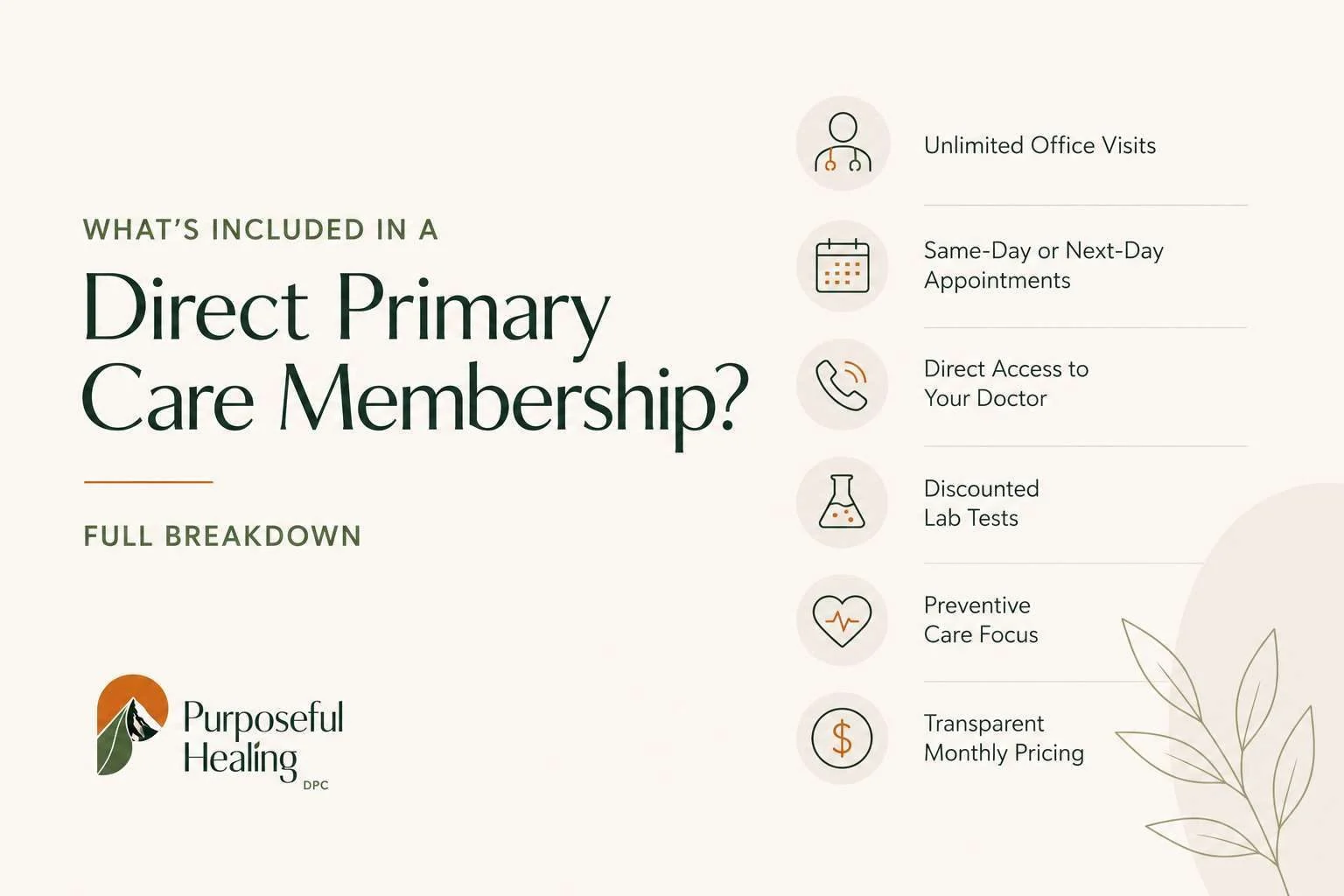
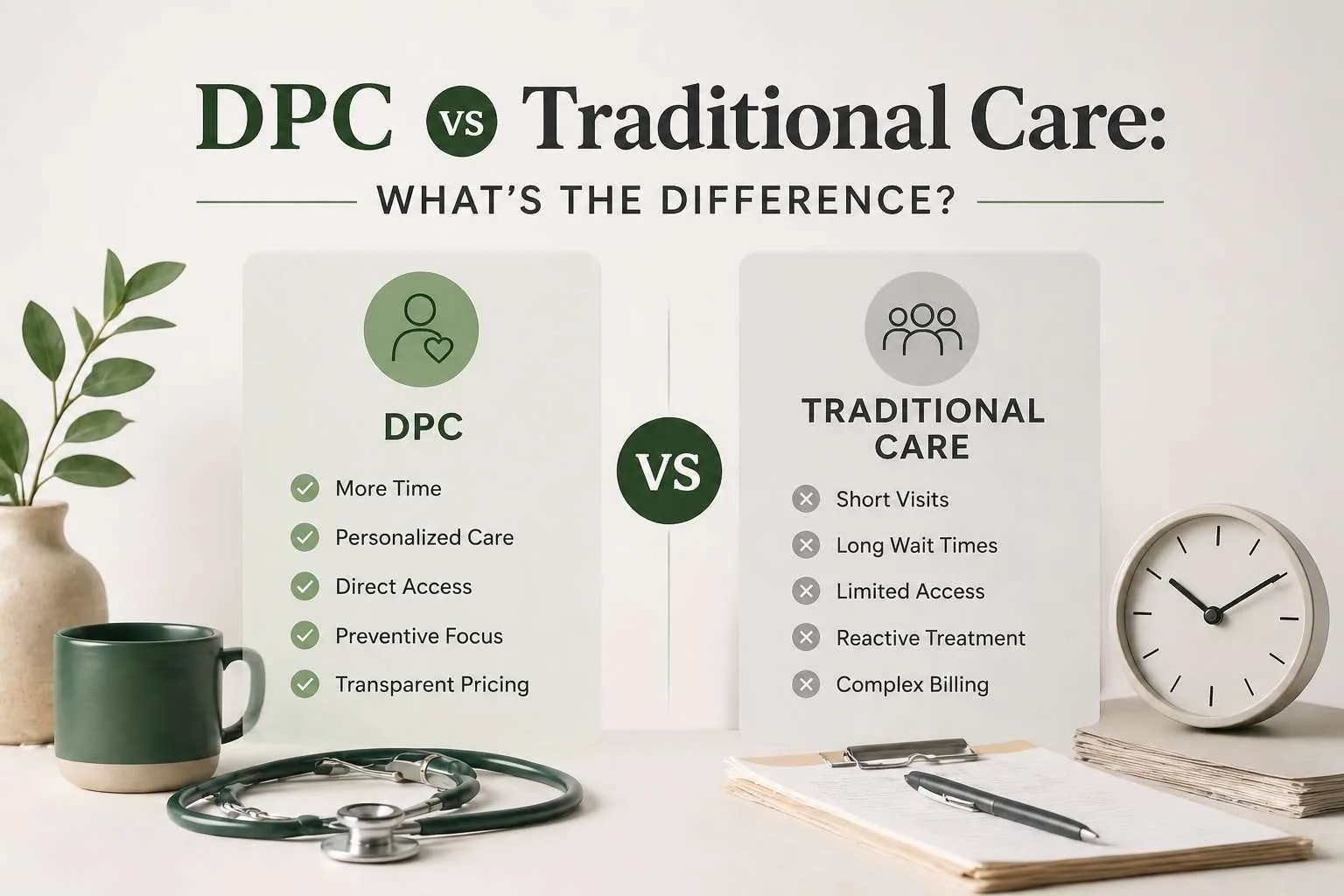
Direct Primary Care, or DPC, is a membership-based model where patients pay a flat monthly fee directly to their physician, bypassing insurance billing entirely. At Purposeful Healing DPC in Dallas, this model removes the usual administrative barriers and allows doctors to spend real time with each patient. Members gain access to primary care, chronic disease management, and a range of holistic services under one roof.
The membership structure at Purposeful Healing covers services that traditional insurance plans often deny. These include osteopathic manipulative therapy, dry needling, neural therapy, and lymphatic drainage. Because there is no insurance middleman, the monthly cost is transparent and predictable.
What Services Are Available Without Insurance?
Patients without insurance can access a wider range of holistic services than most people realize. Here is what is typically available through a DPC-based holistic practice:
- Comprehensive primary care and sick visits with no per-visit copays
- Chronic disease management for conditions like hypertension, diabetes, and high cholesterol
- Osteopathic manipulation for musculoskeletal pain and mobility
- Dry needling and neural therapy for chronic pain conditions
- Lymphatic drainage for inflammation and post-procedure recovery
- Physical therapy integrated with primary care for injury and pain management
- Weight loss support, including medical weight loss and personalized diet plans
- Wellness services including skin tightening, body sculpting, and aesthetics
Patients can also access virtual appointments for routine consultations, follow-ups, and medication management, which reduces the need for in-person visits and saves both time and money.
Cost Comparison: Insurance vs. DPC for Holistic Patients
Consider the real cost of carrying a basic insurance plan. Monthly premiums for an individual in Texas often exceed several hundred dollars before accounting for deductibles, which commonly run between one thousand and seven thousand dollars per year. Most holistic services are still excluded from coverage after all that spending.
A DPC membership at a practice like Purposeful Healing typically costs a fraction of standard insurance premiums and includes services that most insurance plans would deny outright. For patients who want holistic care and do not require hospitalization coverage, pairing a DPC membership with a low-cost catastrophic or short-term health plan can provide comprehensive coverage at a significantly lower total expense. Read more on this in our post on whether DPC is cheaper than insurance.
Telemedicine as an Entry Point
For patients who are hesitant to commit to a membership right away, telemedicine provides an accessible and affordable starting point. Many holistic consultations, health assessments, and follow-up conversations can be handled virtually. Purposeful Healing offers telemedicine for patients across Texas, making it possible to begin a care relationship without an in-person visit.
What to Look for in a Holistic Practice Without Insurance
Not every holistic clinic is equipped to serve uninsured patients well. Look for these qualities when evaluating a practice:
- Transparent pricing with no hidden fees or surprise bills
- A membership model that bundles multiple services
- Providers trained in both conventional and integrative medicine
- Services that address root causes, not just symptoms
- The ability to order labs and imaging at discounted rates
Purposeful Healing meets all of these criteria. The practice was built specifically to provide comprehensive holistic care outside the insurance system, and its team includes physicians trained in osteopathic medicine alongside specialists in physical therapy, aesthetics, and wellness.
Frequently Asked Questions
Can uninsured patients see a holistic doctor regularly?
Yes. Through a DPC membership model, uninsured patients can have ongoing access to a holistic primary care physician without the financial unpredictability of fee-for-service billing. The flat monthly rate covers a broad range of services.
Are holistic services covered by any type of insurance?
Some insurance plans cover chiropractic care, acupuncture, and physical therapy, but coverage is limited and often requires referrals and pre-authorization. Most integrative therapies such as neural therapy, dry needling, and lymphatic drainage are not covered by standard insurance.
Is DPC worth it if I am healthy and rarely see a doctor?
DPC is particularly valuable for preventive care. Members who are generally healthy benefit from accessible annual physicals, routine screenings, and same-day sick visits without worrying about cost barriers that might otherwise prevent timely care.
Can I use a health savings account to pay for DPC membership?
HSA rules regarding DPC are complex and depend on the specific plan. Some patients use HSAs for individual services within a DPC practice. A tax advisor can clarify eligibility based on your specific situation.
What if I need a specialist or hospital care?
DPC practices typically provide referrals to specialists and can help coordinate care. For hospitalization, patients often pair their DPC membership with a separate catastrophic insurance plan or health sharing arrangement to cover major medical events.
Conclusion
Not having insurance does not mean settling for fragmented, impersonal care. The DPC model opens the door to genuine holistic healthcare at a cost that is often lower than carrying a traditional plan. At Purposeful Healing DPC in Dallas, uninsured patients access the same comprehensive, integrative services as anyone else, from primary care and chronic disease management to physical therapy and lymphatic drainage, all within a single membership. If you have been avoiding care because of insurance concerns,
explore the membership options at Purposeful Healing and see what is possible without the red tape.
Medical Disclaimer
This article is intended for informational and educational purposes only and does not constitute medical advice. The content should not be used as a substitute for professional medical diagnosis, treatment, or guidance. Always consult a licensed healthcare provider before making any changes to your health routine, medications, or treatment plan. Individual results may vary.