Why Traditional Primary Care Wait Times in Dallas Are Increasing
 Yaser Elqutub
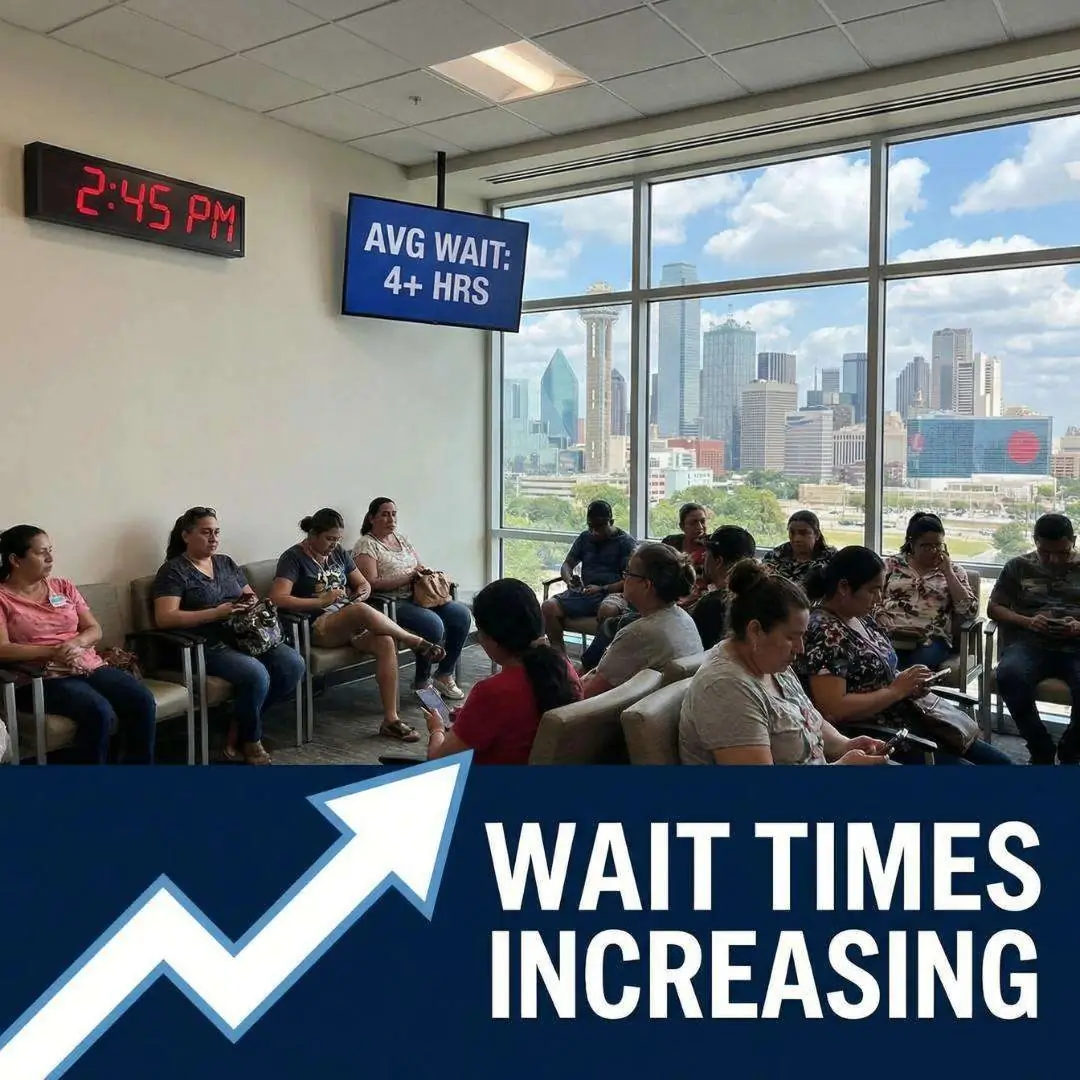
If you’ve recently tried scheduling an appointment with a traditional primary care physician in Dallas, you’ve likely experienced the frustration of being told the next available slot isn’t for several weeks or that the practice isn’t accepting new patients at all.
Traditional primary care wait times refer to the delay between when you request an appointment and when you actually sit down with your doctor. For new patients, these waits have stretched from the already-concerning 2-3 weeks to often 4-6 weeks or longer. Even established patients needing urgent non-emergency care frequently wait days or weeks for availability.
This isn’t just an inconvenience it’s a genuine health concern. Delayed access to primary care means conditions worsen while you wait, preventive care gets postponed, chronic diseases go unmanaged, and patients increasingly turn to expensive emergency rooms for problems that should be handled in a primary care office.
Several converging factors are driving this crisis: severe physician shortages across Texas, insurance bureaucracy consuming provider time, increasing prevalence of chronic diseases requiring longer appointments, post-COVID care backlogs, and outdated scheduling systems that can’t flex to meet demand. Understanding why wait times are increasing helps you make informed decisions about accessing timely, quality healthcare.
At Purposeful Healing DPC in Dallas, Dr. Yaser Elqutub recognized these access barriers and created a practice model specifically designed to eliminate them. Through Direct Primary Care, patients receive same-day or next-day appointments without the delays inherent in traditional insurance-based practices.
This article examines what’s causing the dramatic increase in Dallas primary care wait times, who’s most affected, how different care models compare for access speed, and what patients can do when they need timely medical attention.
What Are Primary Care Wait Times?
Primary care wait time measures the duration from when you request an appointment to when you actually see your doctor. This includes several scenarios: same-day urgent visits for acute problems, next-day appointments for concerning new symptoms, and scheduled visits weeks or months out for routine care or new patient intake.
This metric directly impacts health outcomes. Delayed diagnosis allows conditions to progress unnecessarily. Late intervention for acute problems can turn minor issues into major complications. Patient satisfaction plummets when accessing basic healthcare requires extended planning and patience.
Who Experiences Longer Primary Care Wait Times in Dallas?
New patients seeking intake visits face the longest waits, often 4-8 weeks, as practices prioritize established patients and limit new patient slots.
Patients needing urgent scheduling for concerning symptoms that aren’t quite emergencies struggle to access timely care when “urgent” appointments aren’t available for days or weeks.
Patients with chronic conditions requiring frequent monitoring and medication adjustments find themselves rationing appointments due to limited availability.
Who Provides Traditional Primary Care
Insurance-based clinics operate under reimbursement models requiring high patient volumes, limiting time per appointment and creating scheduling bottlenecks.
Large medical groups serving thousands of patients struggle with capacity constraints as demand outpaces available appointment slots.
High-volume physician panels where doctors manage 2,000-3,000+ patients each cannot accommodate same-day or next-day requests for most patients.
When Did Wait Times Start to Increase?
Pre-pandemic baseline wait times in Dallas averaged 2-3 weeks for new patients and several days for established patient appointments already concerning but manageable.
Post-pandemic surge in demand overwhelmed practices as patients sought delayed preventive care, management of COVID complications, and catch-up on postponed chronic disease care.
Increased chronic disease prevalence from aging populations and rising rates of diabetes, hypertension, and obesity mean patients need more frequent, longer appointments.
Workforce shortages accelerated as physicians retired early during the pandemic, nurse practitioners left healthcare entirely, and fewer medical students chose primary care specialties.
Where Are Wait Times Longest in Dallas?
- Urban clinic locations serving high-density populations experience longer waits as patient demand concentrates in accessible areas.
- Suburban practices sometimes offer slightly better availability but still face significant delays, particularly for specialty services or complex care needs.
- Clinic size and doctor availability dramatically impact scheduling—solo practitioners and small groups often have more flexibility, while large health systems struggle with bureaucratic scheduling constraints.
1. Physician Shortages
Texas faces a critical shortage of primary care physicians, ranking 47th nationally in physicians per capita. The Association of American Medical Colleges projects a shortage of 17,800 to 48,000 primary care physicians by 2034.
Increased patient load per provider means doctors manage 2,000-3,000 patients each, making same-day appointments mathematically impossible for most patient requests.
2. Insurance Bureaucracy
Prior authorizations for basic tests and medications consume 15-20 hours weekly per physician, reducing actual patient care time.
Reduced appointment slots result as administrative tasks expand, leaving fewer hours for direct patient contact.
Administrative burden forces practices to hire additional staff just to manage insurance requirements, without increasing patient access.
3. Chronic Disease Prevalence
More complex care needs require longer appointments. A patient managing diabetes, hypertension, and high cholesterol needs 30-45 minutes, not the standard 15-minute slot insurance reimburses.
This time mismatch forces practices to schedule fewer patients daily, extending wait times for everyone.
4. High Demand After COVID-19
Delayed care backlog created by pandemic shutdowns means millions of missed preventive screenings, routine checkups, and chronic disease management visits now flooding the system.
Preventive services surge as patients reschedule postponed mammograms, colonoscopies, and annual physicals compounds scheduling challenges.
5. Limitations of Appointment Scheduling Systems
Rigid scheduling templates created for insurance billing don’t accommodate varying patient complexity or urgent needs.
Lack of real-time availability means appointment slots sit empty while patients are told nothing is available for weeks.
How Traditional Wait Times Compare to Alternative Care Models
Dallas Primary Care Wait Times Comparison Table
| Care Model | Typical New Patient Wait Time | Same-Day Appointment Availability | Time With Doctor |
| Traditional Primary Care | 2–6+ weeks | Limited | 10–15 min |
| Direct Primary Care (DPC) | 0–7 days | Often available | 20–40+ min |
| Retail & Urgent Care | Same day | Yes | Focused problem only |
| Telehealth | Same day | Yes | Variable |
This table illustrates how alternative models prioritize access differently than traditional insurance-based practices.
How Longer Wait Times Affect Patients
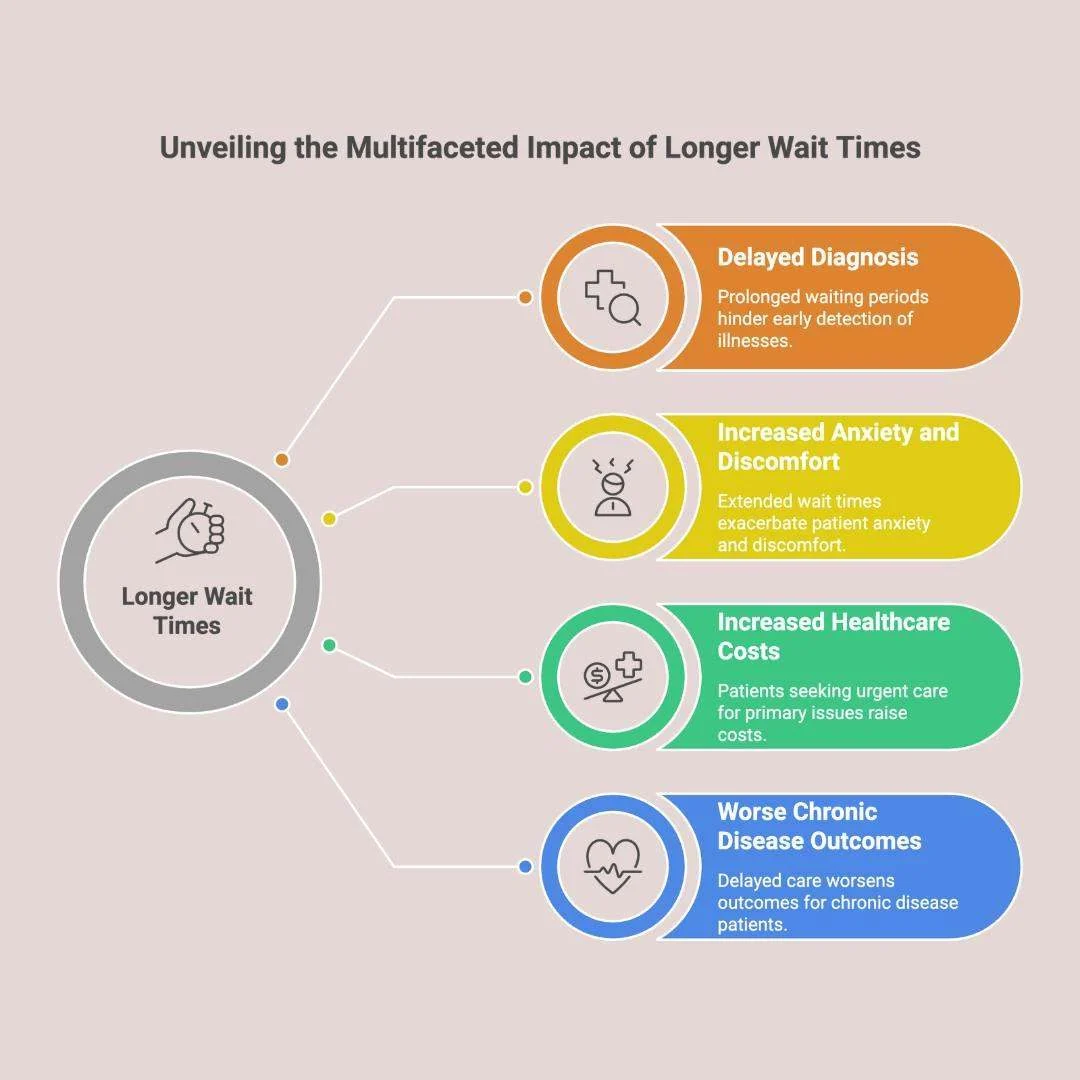
Delayed diagnosis allows treatable conditions to progress, potentially requiring more aggressive intervention later.
Increased anxiety and discomfort from waiting weeks with concerning symptoms takes emotional and physical toll.
Patients turning to urgent care or ER for primary care problems drives up healthcare costs unnecessarily—an ER visit for bronchitis costs 10x more than primary care management.
Worse chronic disease outcomes result when medication adjustments, monitoring, and prevention are delayed by access barriers.
How Purposeful Healing DPC Addresses Care Access in Dallas
Purposeful Healing DPC’s holistic intake and scheduling model eliminates insurance-driven bottlenecks, offering same-day or next-day appointments for urgent needs.
Reduced barriers to appointment booking mean patients text or call Dr. Elqutub directly rather than navigating receptionist gatekeepers and insurance verification.
Longer visits (45+ minutes typical) allow thorough problem-solving in single appointments rather than requiring multiple follow-ups for incomplete evaluations.
Integration with preventive and ongoing care plans ensures proactive health management rather than reactive crisis response when appointments finally become available.
Conclusion
Dallas primary care wait times are increasing due to physician shortages, insurance bureaucracy, chronic disease complexity, post-COVID demand surges, and inflexible scheduling systems. These delays aren’t temporary inconveniences—they represent systemic problems affecting health outcomes.
Patients seeking solutions have options beyond waiting weeks for traditional appointments. Direct Primary Care, urgent care for acute problems, and telehealth provide alternatives when timely access matters.
Make informed decisions about your healthcare by understanding what’s driving delays, comparing available care models, and choosing providers who prioritize accessibility alongside quality.
FAQs
What are acceptable wait times for primary care?
Industry benchmarks suggest 1-2 weeks for routine appointments and same-day access for urgent non-emergency needs, though many Dallas practices fall short.
When should I seek alternatives to traditional primary care?
When wait times delay needed care, when you need regular access for chronic conditions, or when you value direct physician communication.
Where can Dallas patients find faster access to care?
Direct Primary Care practices, urgent care centers for acute problems, telehealth services, and retail clinics offer faster access than traditional practices.
Why are primary care wait times worsening?
Physician shortages, insurance administrative burden, increasing chronic disease complexity, post-COVID backlogs, and outdated scheduling systems all contribute.
How can I shorten my wait time for primary care?
Establish care during off-peak times, consider Direct Primary Care models, use patient portals for non-urgent issues, or seek practices limiting panel sizes.
Medical Disclaimer:
The information provided in this article is for educational purposes only and should not replace professional medical advice. Every patient’s condition is unique. Always consult a qualified healthcare provider for personalized diagnosis and treatment.