Managing High Cholesterol: Medications and Lifestyle Changes
 Yaser Elqutub
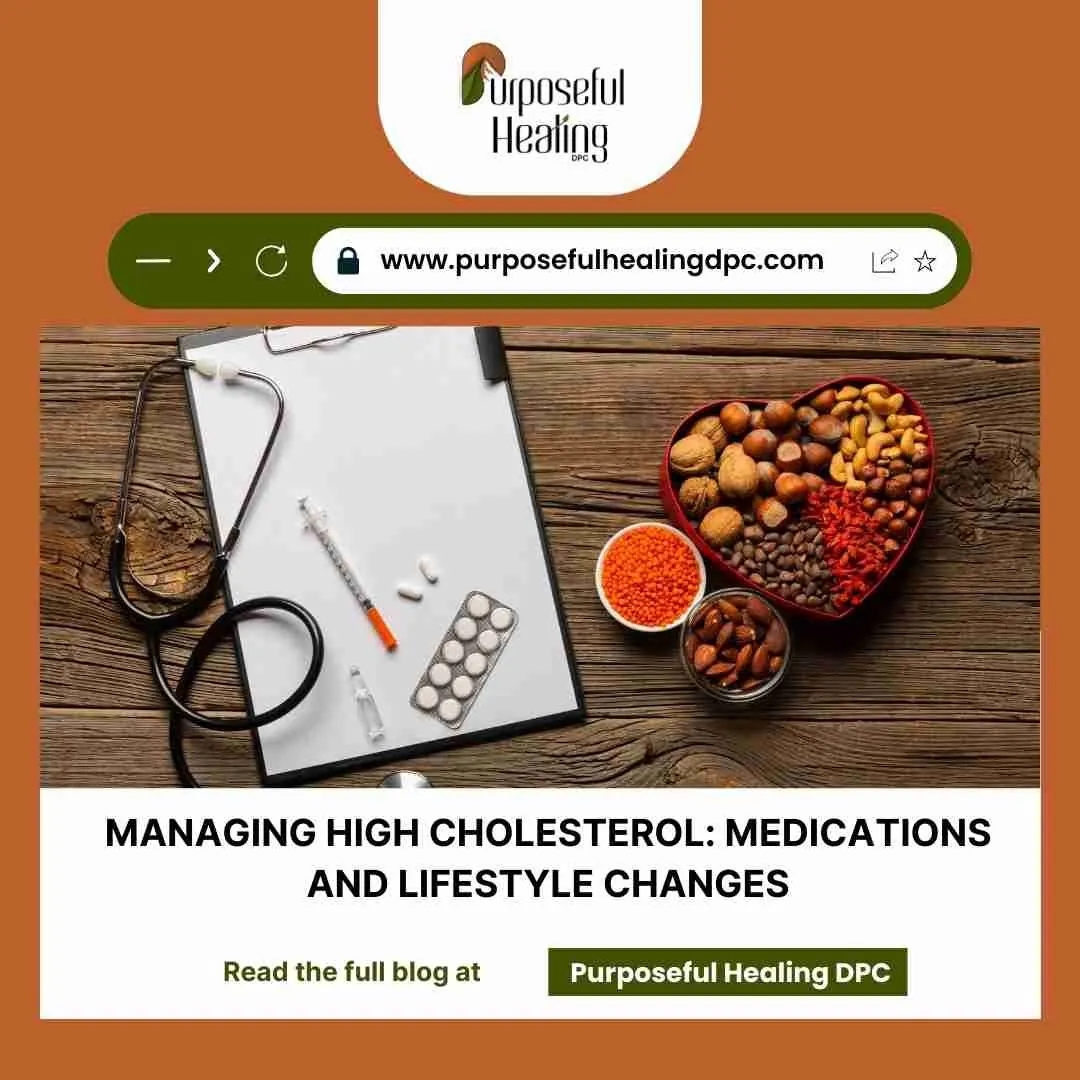
Are you struggling with managing high cholesterol and wondering how it impacts your health? High cholesterol can be a silent threat, leading to serious health issues if left unmanaged. At Purposeful Healing DPC, we prioritize your cardiovascular health through effective management strategies. Let’s explore the options available for managing high cholesterol and how our clinic can support your journey to better health.
Understanding High Cholesterol
High cholesterol occurs when there is an excessive amount of cholesterol—a waxy, fat-like substance—in the blood. Cholesterol is vital for producing hormones and building cells, but high levels can lead to the development of fatty deposits in blood vessels. These deposits make it difficult for blood to flow through arteries, increasing the risk of heart disease and stroke.
Impact On Health
High cholesterol is a major risk factor for cardiovascular diseases, including:
- Heart Attack: Blocked arteries can lead to reduced blood flow to the heart, resulting in potential heart attacks that could be life-threatening if not promptly addressed.
- Stroke: Reduced blood flow to the brain can result in a stroke, causing significant neurological damage and long-term health consequences.
- Atherosclerosis: High cholesterol contributes to the hardening and narrowing of arteries, a condition that often leads to serious cardiovascular complications over time.
- Peripheral Artery Disease: Blockages in the arteries can affect blood flow to the limbs, causing pain and mobility issues that can severely impact quality of life.
Understanding the risks associated with high cholesterol is crucial for implementing effective management strategies. Early intervention can significantly reduce the risk of these serious health conditions and improve overall longevity and quality of life.
Managing high cholesterol: High Cholesterol Treatment Options
Managing high cholesterol involves a combination of medications and lifestyle modifications. At Purposeful Healing DPC, we offer comprehensive services to guide you through these options.
Medications And Medical Interventions
Various medications can help manage high cholesterol by reducing levels of low-density lipoprotein (LDL), known as “bad” cholesterol. These medications include:
- Statins: Statins are the most common medications prescribed to lower cholesterol. They work by blocking a substance your liver needs to produce cholesterol, which effectively reduces overall cholesterol levels.
- Bile Acid Sequestrants: These medications help remove cholesterol by binding to bile acids, prompting the liver to use excess cholesterol to produce more bile acids.
- Cholesterol Absorption Inhibitors: These drugs reduce cholesterol absorption in the intestines, helping to lower blood cholesterol levels.
- PCSK9 Inhibitors: This newer class of drugs can significantly lower LDL cholesterol levels, especially in those with genetic conditions causing high cholesterol or in patients who have not responded to other treatments.
- Fibrates and Niacin: These medications can help lower triglyceride levels and raise high-density lipoprotein (HDL) cholesterol, the “good” cholesterol, complementing other treatments.
Purposeful Healing DPC Services
At Purposeful Healing DPC, we provide a range of services to support medication management and lifestyle changes, including:
- Personalized Medication Plans: We tailor medication regimens to meet your specific needs, monitoring and adjusting as necessary to ensure optimal results and minimize side effects.
- Regular Health Screenings: Routine blood tests and cholesterol screenings help track your progress and adjust treatment plans as needed.
- Collaborative Care: Our team of doctors, osteopathic physicians, and registered nurses work together to ensure comprehensive care, providing expert guidance and support throughout your treatment journey.
- Patient Education: We believe in empowering our patients through education, offering resources and information to help them understand their condition and the steps needed to manage it effectively.
Lifestyle Changes For High Cholesterol
Lifestyle modifications are integral to managing high cholesterol and improving overall cardiovascular health. Here are key strategies you can adopt:
Dietary Management Of High Cholesterol
Adopting a heart-healthy diet can help lower cholesterol levels and reduce your risk of cardiovascular disease.
- Increase Fiber Intake: Foods high in soluble fiber, such as oats, fruits, and legumes, can help reduce LDL cholesterol by binding to cholesterol and removing it from the body.
- Choose Healthy Fats: Replace saturated and trans fats with unsaturated fats found in olive oil, avocados, and nuts to improve cholesterol levels and support heart health.
- Eat More Omega-3 Fatty Acids: Consuming fatty fish like salmon and mackerel can boost heart health by reducing triglycerides and inflammation.
- Limit Cholesterol Intake: Reduce consumption of high-cholesterol foods, such as red meat and full-fat dairy products, which can contribute to elevated cholesterol levels.
- Incorporate Plant Sterols And Stanols: These compounds, found in fortified foods, can help block cholesterol absorption in the intestines and lower blood cholesterol levels.
Exercise And Physical Activity
Regular physical activity can help raise high-density lipoprotein (HDL), the “good” cholesterol, and lower LDL cholesterol. Engaging in exercise not only supports cardiovascular health but also improves overall fitness and well-being.
- Aim For 150 Minutes Of Moderate Exercise Per Week: Activities like brisk walking, swimming, or cycling can improve heart health and support cholesterol management.
- Incorporate Strength Training: Building muscle mass through weightlifting or resistance exercises can enhance metabolism and cholesterol levels, promoting better health outcomes.
- Stay Active Throughout The Day: Incorporate physical activity into your daily routine, such as taking the stairs or walking during breaks, to maintain an active lifestyle and support cholesterol management.
Other Lifestyle Habits
Adopting healthy habits can further support cholesterol management and improve overall health:
- Quit Smoking: Smoking cessation can improve HDL cholesterol levels and overall heart health by reducing the risk of plaque buildup in arteries.
- Limit Alcohol Consumption: Drinking in moderation can positively impact cholesterol levels and reduce the risk of heart disease.
- Manage Stress: Practice relaxation techniques such as yoga, meditation, or deep breathing to reduce stress-related cholesterol spikes and support mental well-being.
- Maintain a Healthy Weight: Achieving and maintaining a healthy weight can significantly impact cholesterol levels and reduce the risk of cardiovascular diseases.
Managing High Cholesterol With Diabetes
Individuals with diabetes face a higher risk of developing high cholesterol due to metabolic changes affecting lipid levels. Proper management of both conditions is essential to reduce cardiovascular risks and maintain overall health.
Diabetes And Cholesterol
High blood sugar levels can lead to increased LDL cholesterol and decreased HDL cholesterol. Managing these levels requires a comprehensive approach that addresses both conditions simultaneously.
- Monitor Blood Sugar Levels: Regular monitoring can help identify patterns and adjust treatment plans to maintain optimal blood sugar and cholesterol levels.
- Adopt A Balanced Diet: Focus on whole foods with low glycemic indexes to manage both blood sugar and cholesterol levels, promoting overall health and well-being.
- Exercise Regularly: Physical activity helps control blood sugar and cholesterol simultaneously, reducing the risk of cardiovascular complications.
Purposeful Healing DPC Services
Our clinic provides integrated care to manage diabetes and high cholesterol effectively, offering a comprehensive approach to treatment and support:
- Coordinated Care Plans: Our team collaborates to create a unified plan addressing both conditions, ensuring that treatment strategies complement each other and provide maximum benefit.
- Nutritional Counseling: Personalized dietary advice supports blood sugar and cholesterol management, helping you make informed choices that support your health goals.
- Continuous Monitoring: Routine check-ups and screenings ensure comprehensive management of both diabetes and high cholesterol, allowing for timely adjustments to treatment plans.
- Diabetes Education Programs: We offer education and resources to help you understand diabetes management and its relationship with cholesterol, empowering you to take control of your health.
Natural Ways To Manage High Cholesterol
In addition to medications and lifestyle changes, natural and holistic approaches can play a role in managing high cholesterol, offering complementary strategies for overall health improvement:
Dietary Supplements
Certain supplements may help lower cholesterol levels naturally and support heart health:
- Psyllium Husk: A source of soluble fiber, it can help reduce LDL cholesterol by binding to cholesterol in the digestive tract.
- Red Yeast Rice: Contains naturally occurring statins that may lower cholesterol levels, providing an alternative for those seeking natural options.
- Omega-3 Fish Oil: Supplements can provide additional omega-3 fatty acids for heart health, reducing inflammation, and supporting cholesterol management.
Herbal Remedies
Some herbs and spices may have cholesterol-lowering effects and can be incorporated into a healthy lifestyle:
- Garlic: Garlic supplements may help reduce total cholesterol and LDL levels, offering a natural way to support heart health.
- Turmeric: Contains curcumin, which has anti-inflammatory and cholesterol-lowering properties, making it a valuable addition to a heart-healthy diet.
- Green Tea: Drinking green tea can increase HDL cholesterol and reduce LDL cholesterol, supporting overall cardiovascular health.
Mindfulness Practices
Stress management through mindfulness can support cholesterol management and improve mental well-being:
- Meditation: Regular meditation practice can lower stress and improve heart health by promoting relaxation and reducing stress-related cholesterol spikes.
- Yoga: Yoga combines physical activity with stress reduction for comprehensive benefits, supporting both physical and mental health.
- Acupuncture: This traditional practice may improve cholesterol levels by promoting relaxation and balance, offering an alternative approach to support overall health.
Purposeful Healing DPC Services
Our clinic emphasizes holistic approaches alongside conventional treatments, offering a comprehensive approach to cholesterol management:
- Herbal Medicine Consultations: We offer guidance on incorporating herbal remedies into your management plan, providing expert advice on natural options for cholesterol management.
- Mind-Body Therapies: Our services include yoga classes and mindfulness workshops to support overall well-being, helping you manage stress and improve heart health.
- Holistic Health Assessments: We evaluate your overall health and lifestyle to provide personalized recommendations for natural and holistic approaches to cholesterol management.
Disclaimer: The information provided in this blog is for educational purposes only and does not substitute for professional medical advice. For specialized services, contact Purposeful Healing DPC or another related clinic.
Conclusion
Managing high cholesterol is crucial for reducing cardiovascular risk and improving overall health. By combining medications, lifestyle changes, and natural approaches, you can effectively manage cholesterol levels. At Purposeful Healing DPC, we offer personalized care tailored to your needs, ensuring a comprehensive approach to managing high cholesterol. Take control of your health today and let us support you on your journey to better cardiovascular wellness.