Why Your Pain Keeps Coming Back After Treatment
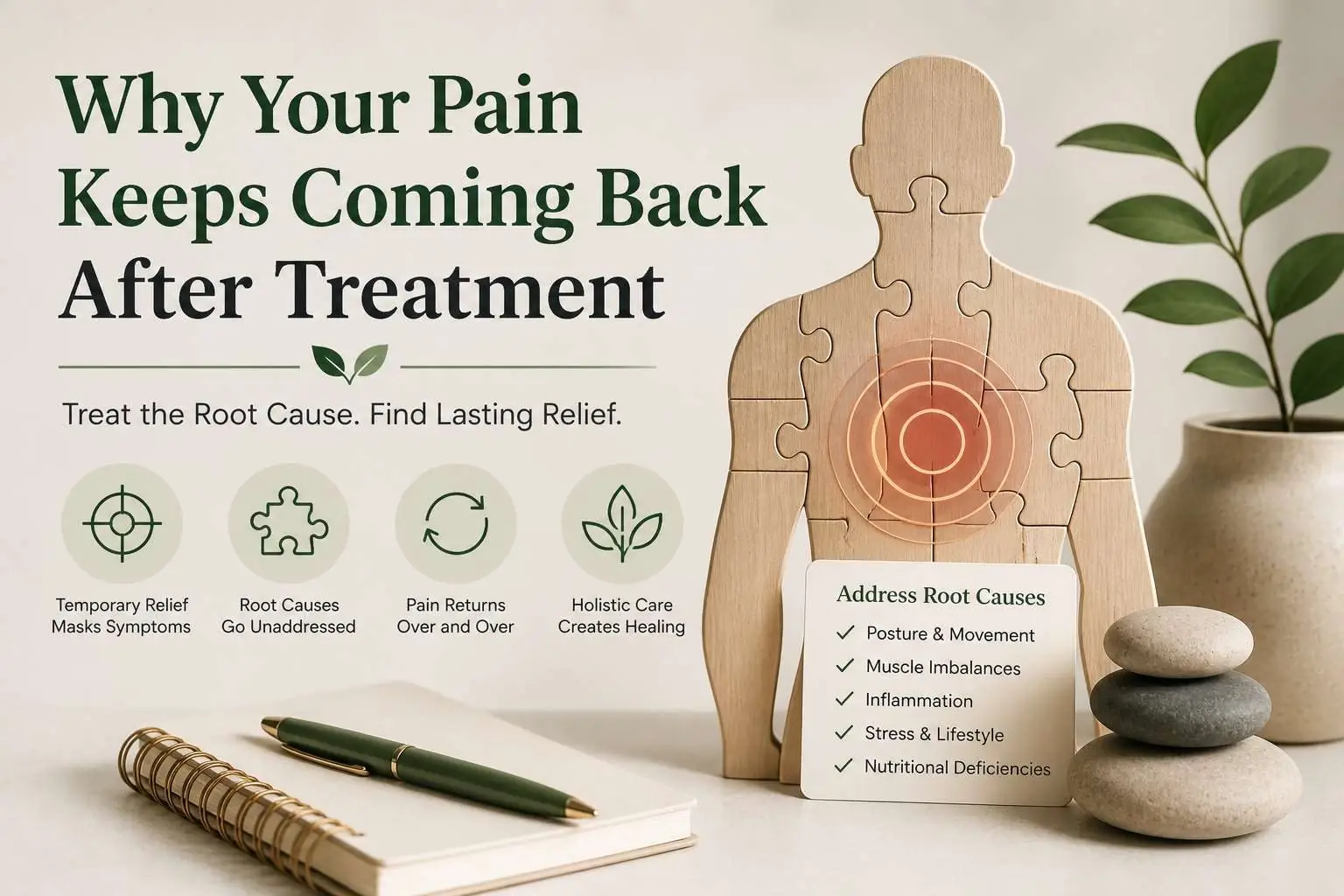
You get treated, the pain improves, and then weeks or months later it is back. Sometimes it returns in exactly the same spot. Sometimes it migrates to a nearby area. This cycle of temporary relief followed by recurrence is one of the most frustrating experiences in healthcare, and it affects a large proportion of patients dealing with chronic musculoskeletal pain, headaches, and joint problems. The recurrence is not random. There are specific, identifiable reasons why pain returns after treatment, and understanding them is the first step toward breaking the cycle for good.
Treatment Was Addressing the Symptom, Not the Source
The most common reason pain returns is that the treatment relieved the symptom without addressing what caused it. A muscle that keeps tightening has a reason for doing so. A joint that repeatedly inflames is under repeated stress from somewhere. When treatment focuses only on the pain signal, the underlying driver continues operating in the background.
For example, many patients receive massage or manipulation for lower back pain and feel significant improvement. But if the underlying cause is weak hip stabilizers, poor posture during prolonged sitting, or a compensatory movement pattern from an old ankle injury, the back will be stressed again as soon as the patient resumes normal activity. The pain returns because the structural problem was never corrected.
The Body Compensates, and Compensation Causes Secondary Pain
One of the most underappreciated dynamics in chronic pain is compensation. When one part of the body hurts or moves poorly, adjacent structures change their behavior to offload the area. These compensatory patterns are protective in the short term but create their own problems over time.
A patient who limps due to knee pain shifts load to the opposite hip and lower back. A person with a painful shoulder begins using their neck muscles to substitute for shoulder mobility. These compensations become habitual, and the substitute structures eventually develop their own symptoms. Treatment that addresses only the painful area without assessing the compensatory chain will produce only partial and temporary relief.
This is why the pain management approach at Purposeful Healing involves a full assessment of movement patterns and body mechanics, not just the location of the chief complaint. Services like osteopathic manipulative therapy are specifically designed to evaluate and address these whole-body patterns.
The Role of the Nervous System in Persistent Pain
Pain that has been present for more than three months undergoes changes at the level of the nervous system. The brain and spinal cord become sensitized to pain signals, a phenomenon called central sensitization. In this state, the nervous system amplifies pain signals, sometimes producing intense pain in response to stimuli that would not normally be painful, and extending pain beyond the area of tissue injury.
Central sensitization is not imaginary. It is a measurable neurological process, and it explains why patients with longstanding pain often find that standard treatments produce diminishing returns. Addressing sensitization requires approaches that target the nervous system directly, including stress reduction, sleep improvement, graded exercise, and in some cases therapies like neural therapy.
Purposeful Healing offers neural therapy as part of its chronic pain management program. Neural therapy works on the autonomic nervous system to disrupt persistent pain signals and restore normal nervous system regulation in affected areas.
Inflammation That Was Never Fully Resolved
Acute inflammation is part of the healing process. But in some patients, inflammation becomes chronic. Low-grade systemic inflammation maintains tissue sensitivity and prevents complete recovery. This can be driven by diet, gut health, sleep disruption, psychological stress, or underlying autoimmune processes.
A patient who receives an injection or completes a course of physical therapy may improve substantially, but if underlying chronic inflammation is not addressed, the tissue never fully heals and is prone to repeated aggravation. Dietary changes, anti-inflammatory protocols, and addressing systemic contributors to inflammation are essential parts of a complete treatment plan for these patients.
Lymphatic drainage can also play a meaningful role in reducing tissue-level inflammation that contributes to pain recurrence. Learn more about how this works on the lymphatic drainage page at Purposeful Healing.
Psychological and Emotional Factors in Chronic Pain
The research on the relationship between psychological state and chronic pain is robust and consistently shows that anxiety, depression, unresolved trauma, and chronic stress amplify pain experience and slow recovery. This is not about pain being imaginary. It is about the fact that the nervous system processes both emotional and physical signals, and dysregulation in one domain affects the other.
Patients who have experienced pain for a long time often develop fear-avoidance behaviors, where they stop using an area of the body because movement has become associated with pain. This avoidance leads to deconditioning, which increases vulnerability to re-injury and maintains the pain cycle. Addressing these psychological dimensions is not optional in chronic pain treatment. It is required for durable outcomes.
Incomplete Rehabilitation
Many patients stop treatment when pain improves significantly, rather than continuing until full function is restored. Pain improvement and functional recovery are not the same thing. When rehabilitation stops at the pain relief stage, the structural deficits that contributed to the original problem often remain. The patient returns to their activities with better pain control but unchanged mechanics, setting the stage for recurrence.
Physical therapy at Purposeful Healing is structured to carry patients through the full rehabilitation continuum, including strength, stability, mobility, and return-to-function phases. This is distinct from symptom-focused treatment that ends when the pain quiets. You can explore what this looks like in the physical therapy service section.
What a Durable Treatment Plan Looks Like
Breaking the recurrence cycle requires a treatment plan that is built to address the full picture. This includes:
- Identifying the root cause through thorough evaluation, not just the pain location
- Addressing compensation patterns in adjacent structures
- Treating any nervous system sensitization with appropriate therapies
- Reducing systemic inflammation through diet, lifestyle, and when needed, targeted therapies
- Completing full rehabilitation including strength and stability restoration
- Addressing psychological factors that amplify or maintain pain
- Building a maintenance plan to sustain gains after formal treatment ends
Frequently Asked Questions
Is it normal for pain to return after physical therapy?
Some recurrence is common, particularly if the underlying structural or movement issues were not fully resolved or if a patient returns to activities before rehabilitation is complete. Recurrence is a signal that the treatment plan needs adjustment, not that physical therapy is ineffective.
What is central sensitization and how do I know if I have it?
Central sensitization involves changes in the nervous system that amplify pain signals. Signs include pain that is disproportionate to identifiable tissue injury, widespread pain sensitivity, pain that persists long after tissue healing should be complete, and pain that is worsened by stress or poor sleep. Your provider can assess for this through clinical evaluation.
Can dry needling help with recurring pain?
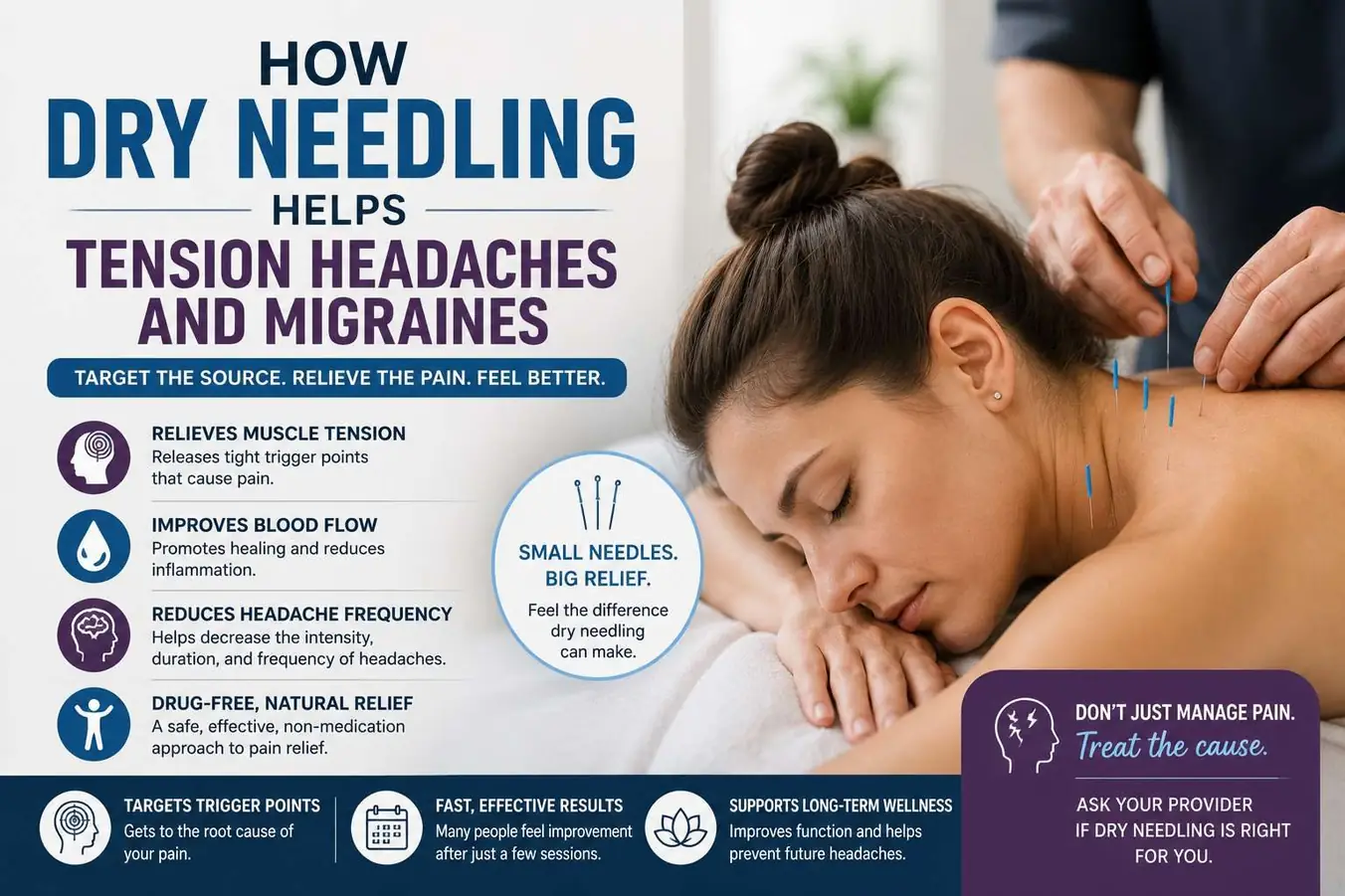
Dry needling can be effective for chronic myofascial pain by deactivating trigger points and improving local tissue circulation. It is often most useful as part of a broader treatment plan that addresses underlying structural and movement causes.
How does nutrition affect chronic pain?
A pro-inflammatory diet high in refined carbohydrates, processed foods, and unhealthy fats can maintain systemic inflammation that contributes to chronic pain. An anti-inflammatory diet, adequate protein, and proper hydration support tissue healing and reduce pain sensitivity.
What role does sleep play in pain recurrence?
Poor sleep significantly increases pain sensitivity and slows tissue repair. Growth hormone, which is essential for musculoskeletal recovery, is released primarily during deep sleep. Patients with chronic pain almost universally benefit from sleep quality improvement as part of their treatment plan.
Conclusion
Pain recurrence after treatment is not inevitable. It is usually the result of incomplete evaluation and treatment that addressed the symptom without correcting the cause. Whether your pain returns due to unresolved compensation patterns, central sensitization, systemic inflammation, or incomplete rehabilitation, there is a specific reason and a specific path forward. Purposeful Healing approaches persistent pain with the kind of thorough, root-cause investigation that brief conventional appointments rarely allow. If your pain keeps coming back, it is time to find out why.
Medical Disclaimer
This article is intended for informational and educational purposes only and does not constitute medical advice. The content should not be used as a substitute for professional medical diagnosis, treatment, or guidance. Always consult a licensed healthcare provider before making any changes to your health routine, medications, or treatment plan. Individual results may vary.