Recognizing Liver Disease Symptoms: Early Signs and Risk Factors
 Yaser Elqutub
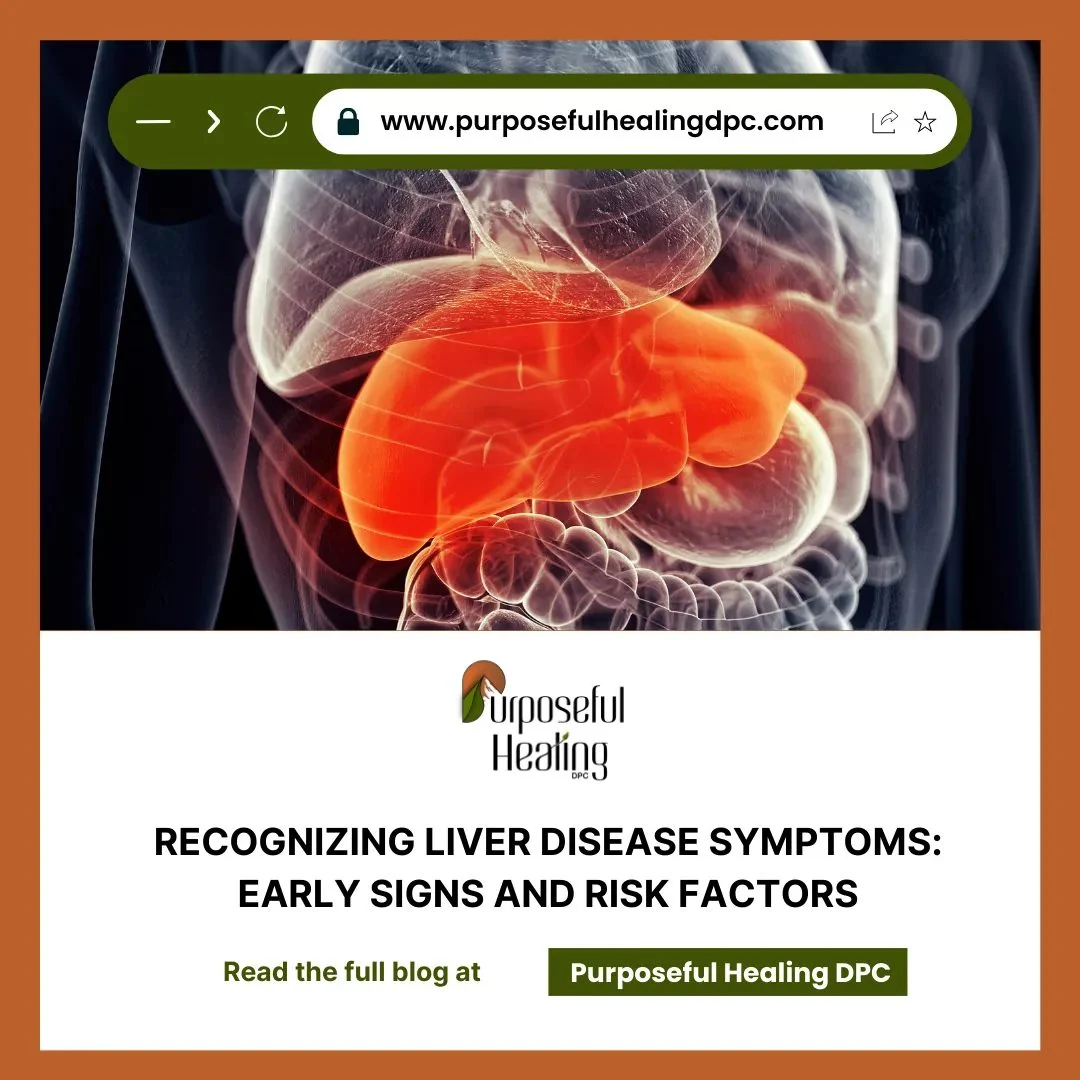
Recognizing liver disease symptoms early on can significantly improve treatment outcomes. This comprehensive overview highlights the crucial signs and various liver disease types to be aware of.
Fatty liver disease now affects about 1 in 4 adults and is usually found on a routine blood test, not from symptoms. Your primary care doctor is often the first to spot it.
Whether you are at risk for liver disease due to genetic factors or lifestyle choices, learning these signs can be the first step towards maintaining your liver health and overall well-being.
Understanding Liver Disease Symptoms
Identifying early liver disease symptoms can make a significant difference in managing health outcomes effectively. Symptoms can vary widely depending on the liver disease types, but there are common signs that should prompt further evaluation:
- Jaundice: Yellowing of the skin or eyes, indicating excess bilirubin.
- Abdominal Pain and Swelling: Especially in the upper right part of the belly.
- Liver Enlargement: Felt as a mass under the ribs on the right side.
- Fatigue: A common early symptom that might be dismissed as lack of sleep or stress.
- Itchy Skin: Unexplained persistent itchiness across the body.
These symptoms reflect problems in liver function, which can be due to a variety of conditions, from mild fatty liver disease to more severe forms like hepatitis or cirrhosis.
Early detection of these signs by a healthcare professional is crucial. They can provide the necessary tests and treatments to manage the condition effectively before it progresses.
Hepatic Disorders Explained
Hepatic disorders encompass a wide range of conditions that affect liver function, each with its own set of symptoms. Common disorders include:
- Hepatitis: Inflammation of the liver, often caused by viruses, leading to symptoms such as fever, jaundice, and fatigue.
- Cirrhosis: A late stage of scarring (fibrosis) of the liver caused by many forms of liver diseases and conditions, such as hepatitis and chronic alcoholism.
- Fatty Liver Disease: Often associated with obesity and diabetes, symptoms might include fatigue or pain in the upper right abdomen.
Consulting with a liver specialist in Dallas, Texas can provide patients with the necessary expertise and treatment options tailored to their specific condition.
This specialized care is crucial for managing symptoms effectively and preventing the progression of liver disease.
Risk Factors for Liver Disease
Liver disease can be influenced by a range of genetic and lifestyle factors. Key risk factors include:
- Genetics: Family history of liver disease.
- Alcohol Consumption: Excessive alcohol use is a significant risk factor.
- Obesity: Linked to fatty liver disease.
- Diabetes: Increases the risk of liver complications.
- Infections: Hepatitis viruses are a major cause of liver disease.
- Toxins: Exposure to harmful toxins, including certain medications and chemicals.
Prevention strategies are crucial and should focus on lifestyle modifications such as reducing alcohol intake, maintaining a healthy weight, and managing diabetes effectively.
Regular screenings and consultations with healthcare providers, with your primary care doctor, who can refer you to a hepatologist if needed, are recommended to monitor liver health and prevent the disease from advancing.
Importance of Early Detection
Early detection plays a pivotal role in managing liver disease effectively. Identifying liver disease symptoms at an early stage can drastically improve the prognosis by enabling timely and targeted interventions.
Early symptoms alert your doctor to liver problems that may require immediate attention.
This proactive approach allows for interventions that can halt the progression of the disease, significantly improving the quality of life and long-term health outcomes for patients.
Early detection is therefore a critical component in the fight against liver disease, emphasizing the need for regular check-ups and vigilance regarding liver health.
Go to the ER If You Have
Yellow skin or eyes with confusion, vomiting blood, black stools, or a swollen, painful belly.
Conclusion
Recognizing liver disease symptoms early is crucial for effective management and treatment. Early detection enables timely interventions that can significantly improve health outcomes.
We strongly encourage scheduling regular check-ups with the team at Purposeful Healing DPC, who will order liver tests and refer you to a specialist when results call for it.
For comprehensive liver health evaluations and to ensure your well-being, consider booking a consultation today. Taking this proactive step towards your health can lead to better disease management and a healthier life. Contact us today for all your liver problems.
Disclaimer
The information in this article is for educational purposes only, not a replacement for professional medical advice.
Consult your physician or qualified health providers for any medical concerns. The author and Purposeful Healing DPC do not endorse specific tests, physicians, products, or procedures mentioned.
Reliance on this information is at your own risk. Mention of any product, service, or therapy does not constitute an endorsement by Purposeful Healing DPC.