Top 10 Balance Exercises for Seniors at Home: Stay Strong, Steady, and Independent
 Yaser Elqutub

Good balance becomes more important as we age. It helps prevent falls, maintain independence, and improve overall mobility. Performing the top 10 balance exercises for seniors at home can enhance stability, strength, and coordination. These exercises are simple, require no special equipment, and can be done safely in your home.
Each exercise below takes under 5 minutes, needs only a sturdy chair, and is used by physical therapists to lower fall risk.
Why Are Balance Exercises Important for Seniors?
Balance exercises play a crucial role in healthy aging. They help older adults remain active, reduce the risk of falls, and improve overall well-being.
Benefits of Balance Exercises
✔ Enhanced Stability – Strengthens core and leg muscles to improve coordination.
✔ Greater Confidence – Helps seniors feel safer while walking or standing.
✔ Reduced Fall Risk – Improves reaction time and reflexes to prevent accidents.
✔ Improved Posture – Encourages an upright position to prevent strain on the spine.
About 1 in 4 adults 65 and older reports a fall each year (CDC). If you have fallen recently, start with our physical therapy team.
Getting Ready for Balance Exercises
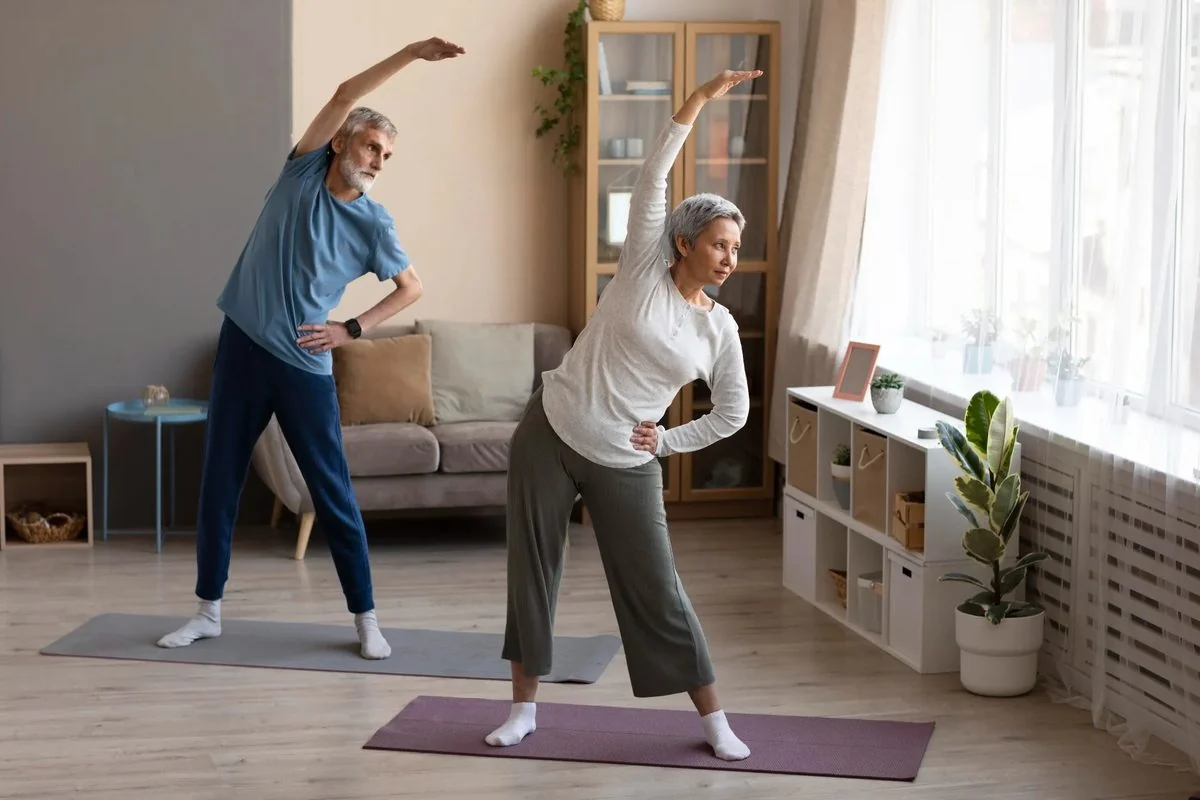
Before starting dynamic balance exercises for elderly adults, follow these safety tips:
1. Wear Supportive Shoes
- Choose non-slip, comfortable footwear for better grip.
2. Have a Sturdy Support Nearby
- Use a chair, counter, or wall for extra stability.
3. Start Slow and Progress Gradually
- Perform each exercise at your own pace and increase difficulty over time.
4. Warm-Up Before Exercising
- Gentle stretching can prevent stiffness and reduce the risk of injuries.
Top 10 Balance Exercises for Seniors at Home
These exercises focus on improving stability, coordination, and strength, allowing seniors to remain steady on their feet.
10 Balance Exercises for Seniors You Can Do at Home
1. Heel-to-Toe Walk
How to Do It:
- Walk in a straight line, placing one foot directly in front of the other.
- Keep arms extended for balance.
Benefits:
- Strengthens lower body muscles and improves walking stability.
2. Single-Leg Stand
How to Do It:
- Stand tall and lift one foot off the floor.
- Hold for 10 seconds and then switch legs.
Benefits:
- Improves balance and strengthens core muscles.
3. Side Leg Raises
How to Do It:
- Stand near a wall and lift one leg to the side.
- Lower slowly and repeat on the other side.
Benefits:
- Strengthens hip muscles and enhances lateral stability.
4. Seated Marching
How to Do It:
- Sit in a sturdy chair and lift one knee at a time.
- March in place for 30 seconds.
Benefits:
- Encourages coordination and mobility.
5. Shoulder Rolls with Balance
How to Do It:
- Stand with feet shoulder-width apart.
- Roll shoulders forward and backward while balancing on one leg.
Benefits:
- Enhances upper body mobility and coordination.
6. Backward Walking
How to Do It:
- Walk slowly backward in a straight line.
- Use a wall or railing for support if needed.
Benefits:
- Improves dynamic balance and stability.
7. Clock Reach Exercise
How to Do It:
- Stand with feet apart and imagine a clock in front of you.
- Reach forward to “12 o’clock,” then to the sides for “3 and 9 o’clock.”
Benefits:
- Enhances coordination and flexibility.
8. Rock the Boat
How to Do It:
- Stand with feet hip-width apart.
- Shift weight from one foot to the other like a rocking motion.
Benefits:
- Improves weight-shifting ability for walking.
9. Toe Taps
How to Do It:
- Tap toes on an elevated surface like a step.
- Alternate feet for 30 seconds.
Benefits:
- Strengthens ankles and improves coordination.
10. Chair Stand Exercise
How to Do It:
- Sit in a chair and stand up without using hands.
- Lower back down and repeat.
Benefits:
- Strengthens legs and enhances balance.
Comparison of Balance & Strength Exercises for Seniors
| Exercise Name | Improves Balance? | Strengthens Muscles? | Enhances Coordination? |
| Heel-to-Toe Walk | ✅ Yes | ✅ Yes | ✅ Yes |
| Single-Leg Stand | ✅ Yes | ✅ Yes | ✅ Yes |
| Side Leg Raises | ✅ Yes | ✅ Yes | ❌ No |
| Seated Marching | ✅ Yes | ✅ Yes | ✅ Yes |
| Clock Reach | ✅ Yes | ❌ No | ✅ Yes |
Incorporating Balance and Strength Exercises for Elderly Individuals
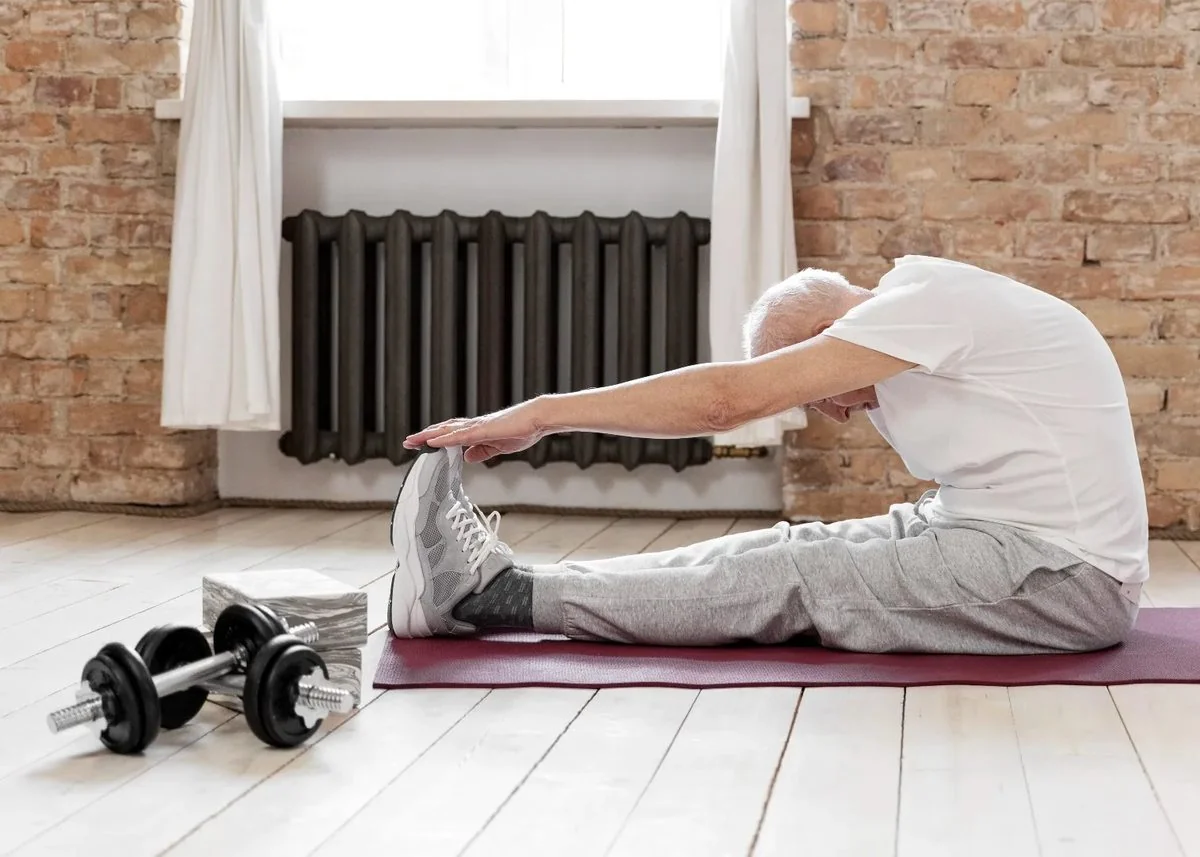
For long-term results, seniors should practice physical therapy balance exercises for elderly adults 2–3 times per week.
Additional Tips for Improving Balance
✔ Stay Active – Regular movement, such as walking or tai chi, improves balance.
✔ Use Assistive Devices If Needed – Walkers or canes provide extra support.
✔ Maintain a Healthy Diet – Good nutrition supports muscle strength and joint health.
FAQs
1. What are the best balance exercises for seniors at home?
The top 10 balance exercises for seniors at home include single-leg stands, heel-to-toe walking, side leg raises, and chair stands.
2. How often should seniors practice balance exercises?
Seniors should aim for 2–3 sessions per week to improve stability and prevent falls.
3. Can dynamic balance exercises for elderly individuals improve coordination?
Yes, coordination exercises for elderly adults, like toe taps and clock reach exercises, enhance coordination and reflexes.
4. What is the difference between balance and strength exercises?
Balance exercises focus on stability, while balance and strength exercises for elderly individuals improve overall mobility.
5. Are physical therapy balance exercises for elderly adults effective?
Yes, these exercises are often used in rehabilitation programs to restore movement and reduce fall risk.
Success Story: How Balance Exercises Transformed a Senior’s Life
Case Study: Mary’s Journey to Better Balance
Mary, a 72-year-old retiree, struggled with dizziness and frequent stumbles. Her doctor recommended dynamic balance exercises for seniors to improve her coordination and strength.
Results After 8 Weeks:
✔ Gained confidence in walking independently.
✔ Improved posture and muscle control.
✔ Reduced risk of falls by 70%.
Mary’s experience highlights how simple exercises can make a big difference in senior mobility.
Conclusion
Practicing the top 10 balance exercises for seniors at home is essential for maintaining mobility, reducing fall risks, and improving overall well-being. Incorporating coordination exercises for elderly adults and physical therapy balance exercises for elderly individuals can further enhance strength and stability.
By staying active and following a safe routine, seniors can enjoy a stronger, steadier, and more independent lifestyle.
Start today! Choose a few exercises and commit to better balance.
Disclaimer:
This blog is for informational purposes only and does not replace professional medical advice. Consult a healthcare provider before starting any new exercise routine.