How to Choose the Right Treatment for Your Injury Recovery
 Yaser Elqutub
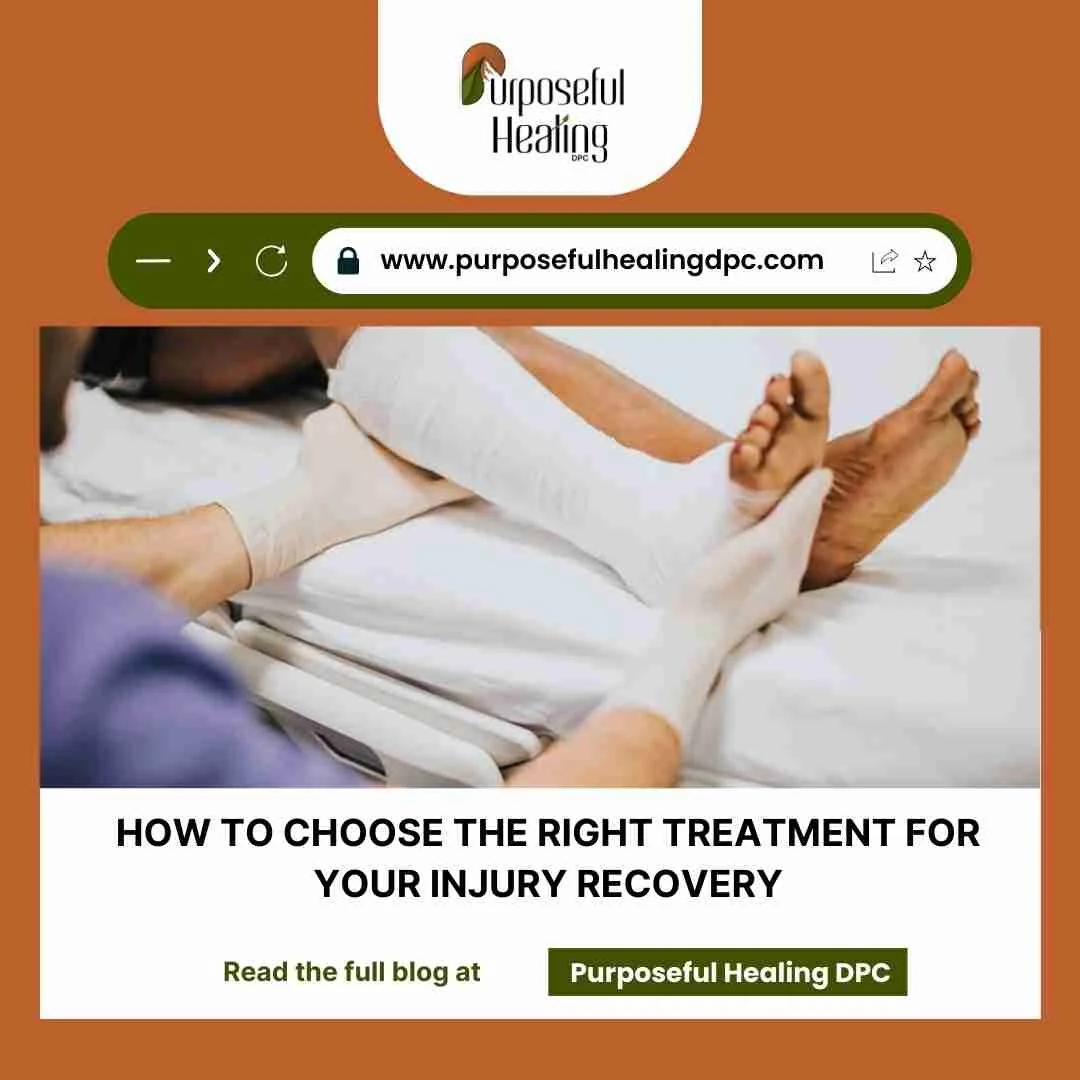
Are you uncertain about how to approach your injury recovery effectively? Choosing the right treatment can be overwhelming, but it is essential for a successful recovery. At Purposeful Healing DPC, we understand that each injury requires a tailored approach to achieve optimal healing. This guide will help you explore various treatments for injury recovery and make informed decisions about your care.
Understanding Injury Recovery
Injury recovery involves the process of healing and rehabilitation following an injury. It encompasses physical, emotional, and sometimes psychological recovery. Proper recovery is crucial to restoring functionality and preventing further complications. Effective injury recovery allows individuals to regain their strength, mobility, and overall well-being, reducing the risk of chronic pain or disability.
The recovery process is influenced by several factors, including the type and severity of the injury, the individual’s overall health, and the quality of care received. A comprehensive approach to injury recovery ensures that all aspects of healing are addressed, promoting long-term health and well-being.
Injury Recovery: Factors to Consider When Choosing Treatment
Choosing the right treatment for your injury recovery requires careful consideration of several factors. Understanding these factors will help you make informed decisions and achieve the best possible outcomes.
Injuries Treatment
There are various treatment options available for injuries, ranging from conservative therapies to more invasive interventions. Selecting the right approach depends on the specific injury, its severity, and individual preferences.
Conservative Treatments:
- Rest and Immobilization: Allowing the injured area to rest and heal naturally, often through the use of braces or splints.
- Physical Therapy: Exercises and techniques designed to restore function, improve mobility, and reduce pain.
- Ice and Heat Therapy: Application of ice to reduce swelling and heat to promote circulation and relaxation.
- Massage Therapy: Manipulation of soft tissues to relieve pain, reduce tension, and promote healing.
Medical Interventions:
- Medication: Pain relievers and anti-inflammatory drugs to manage symptoms and facilitate recovery.
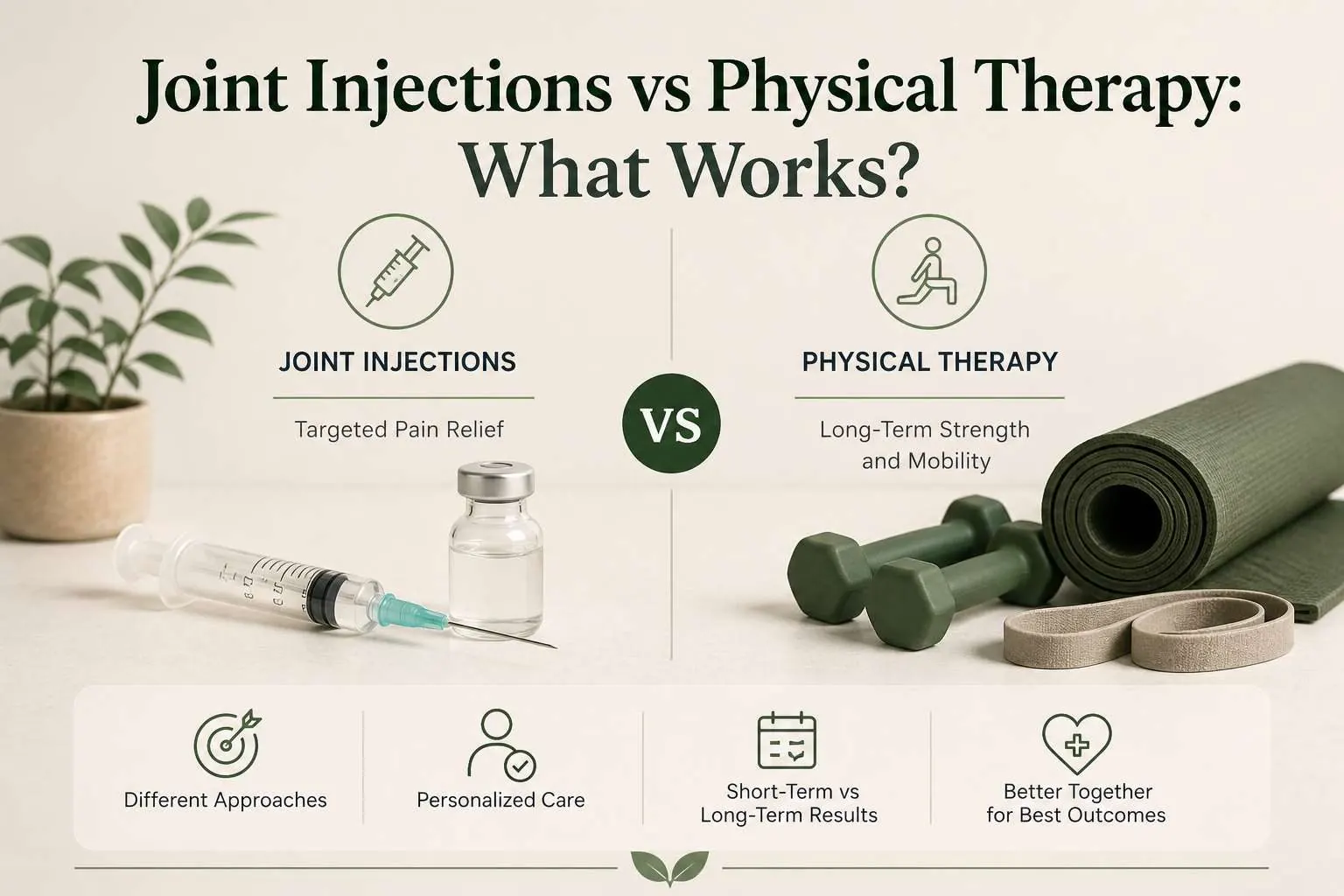
- Injections: Corticosteroid or hyaluronic acid injections to reduce inflammation and improve joint function.
- Surgery: Invasive procedures for severe injuries or when conservative treatments are ineffective.
Alternative Therapies:
- Acupuncture: Traditional Chinese medicine technique involving the insertion of needles to stimulate healing.
- Chiropractic Care: Spinal adjustments and manipulations to restore alignment and improve function.
- Osteopathic Manipulative Therapy: Hands-on techniques to relieve pain and improve physical health.
Purposeful Healing DPC Services
At Purposeful Healing DPC, we offer a comprehensive range of treatments to support injury recovery, including:
- Physical Therapy: Our skilled therapists develop personalized exercise programs to enhance recovery and restore function.
- Osteopathic Manipulative Therapy: We utilize hands-on techniques to promote healing and improve mobility.
- Holistic Care: Our integrative approach combines traditional and alternative therapies for optimal results.
Recovery Time for Soft Tissue Injuries
Soft tissue injuries, such as sprains, strains, and tears, are common and can vary widely in severity. Understanding the typical recovery times and factors influencing them can help set realistic expectations and guide treatment decisions.
Typical Recovery Times:
- Mild Sprains and Strains: Usually recover within 1-2 weeks with proper rest and rehabilitation.
- Moderate Injuries: May take 3-6 weeks for recovery, often requiring physical therapy and supportive care.
- Severe Tears or Ruptures: Can take several months to heal, potentially involving surgical intervention and extensive rehabilitation.
Factors Influencing Recovery:
- Age and Health: Younger, healthier individuals may experience faster recovery times compared to older adults or those with underlying health conditions.
- Injury Severity: More severe injuries typically require longer recovery periods and more intensive treatment.
- Treatment Adherence: Following prescribed treatment plans, including physical therapy and home exercises, is crucial for optimal recovery.
- Nutrition and Lifestyle: A balanced diet, adequate hydration, and healthy lifestyle choices can support healing and recovery.
Practical Advice:
- Follow Professional Guidance: Adhere to the recommendations of healthcare providers and therapists for the best outcomes.
- Prioritize Rest and Recovery: Allow sufficient time for healing and avoid rushing the recovery process.
- Stay Positive: Maintaining a positive mindset can enhance recovery and improve overall well-being.
Injury Treatment
Exploring various approaches to treating injuries is essential to find the most effective solution for your specific needs. Each approach offers unique benefits and considerations.
Conventional Approaches:
- RICE Protocol (Rest, Ice, Compression, Elevation): A standard approach for managing acute injuries, reducing swelling, and promoting healing.
- Medication Management: Use of analgesics and anti-inflammatory medications to alleviate pain and reduce inflammation.
- Rehabilitation Programs: Structured programs that incorporate physical therapy, exercises, and functional training to restore strength and mobility.
Innovative Treatments:
- Platelet-Rich Plasma (PRP) Therapy: Uses the patient’s blood to promote healing by injecting concentrated platelets into the injured area.
- Stem Cell Therapy: Involves the use of stem cells to regenerate damaged tissues and enhance recovery.
- Shockwave Therapy: A non-invasive treatment that uses sound waves to stimulate healing in injured tissues.
Purposeful Healing DPC Services for Injury Recovery
At Purposeful Healing DPC, we integrate innovative treatments with conventional care to provide comprehensive injury treatment options:
- PRP Therapy: We offer platelet-rich plasma injections to accelerate healing and recovery.
- Advanced Rehabilitation Programs: Our personalized programs incorporate cutting-edge techniques and technologies to optimize recovery.
- Collaborative Care: Our multidisciplinary team collaborates to develop tailored treatment plans that address each patient’s unique needs.
Treatment for Injuries
Providing an overview of treatment strategies and their effectiveness can help individuals make informed decisions about their injury recovery journey. Understanding the goals and outcomes of different treatments is crucial for setting realistic expectations.
Goals of Treatment:
- Pain Relief: Reducing pain and discomfort to improve quality of life and facilitate recovery.
- Restoration of Function: Rebuilding strength, mobility, and functionality to return to normal activities.
- Prevention of Complications: Minimizing the risk of further injury or chronic pain through appropriate interventions.
- Support for Mental Health: Addressing the emotional and psychological aspects of injury recovery to promote overall well-being.
Effective Treatment Strategies:
- Multidisciplinary Approach: Combining the expertise of healthcare professionals, therapists, and specialists for comprehensive care.
- Patient-Centered Care: Tailoring treatment plans to meet the individual needs and preferences of each patient.
- Regular Monitoring and Adjustment: Continuously evaluating progress and making necessary adjustments to treatment plans.
- Education and Empowerment: Providing patients with the knowledge and tools to actively participate in their recovery journey.
Practical Advice:
- Communicate with Your Healthcare Team: Open communication ensures that your needs and concerns are addressed throughout the recovery process.
- Stay Informed: Educate yourself about your condition and treatment options to make informed decisions.
- Be Patient and Persistent: Recovery takes time, and consistent effort is key to achieving long-term success.
Quotes on Injury Recovery
Including relevant quotes on injury recovery can add depth and perspective, providing inspiration and motivation for those on their recovery journey.
- “The human body is the best picture of the human soul.” – Ludwig Wittgenstein
- Emphasizes the connection between physical and emotional health during recovery.
- “Healing is a matter of time, but it is sometimes also a matter of opportunity.” – Hippocrates
- Highlights the importance of timely and appropriate treatment for successful recovery.
- “Strength does not come from physical capacity. It comes from an indomitable will.” – Mahatma Gandhi
- Encourages resilience and determination in overcoming injury challenges.
- “Recovery is not a race. You don’t have to feel guilty for taking things slow.” – Anonymous
- Reminds individuals to be patient and kind to themselves during the healing process.
- “The difference between a strong man and a weak one is that the former does not give up after a defeat.” – Woodrow Wilson
- Motivates individuals to persevere through setbacks and challenges in their recovery journey.
Purposeful Healing DPC Approach
At Purposeful Healing DPC, we believe in the power of holistic healing and support our patients throughout their recovery journey with compassionate care and guidance.
Disclaimer: The information provided in this blog is for educational purposes only and does not substitute for professional medical advice. For specialized services, contact Purposeful Healing DPC or another related clinic.
Conclusion
Injury recovery is a vital process that requires a thoughtful and individualized approach. By considering the various treatment options and factors influencing recovery, you can make informed decisions that promote healing and well-being. At Purposeful Healing DPC, we offer personalized care and a comprehensive range of treatments to support your recovery journey. Remember that recovery is a journey, and with the right treatment and mindset, you can achieve optimal healing.