Strength Training for Weight Loss After 60: A Beginner’s Guide
 Yaser Elqutub
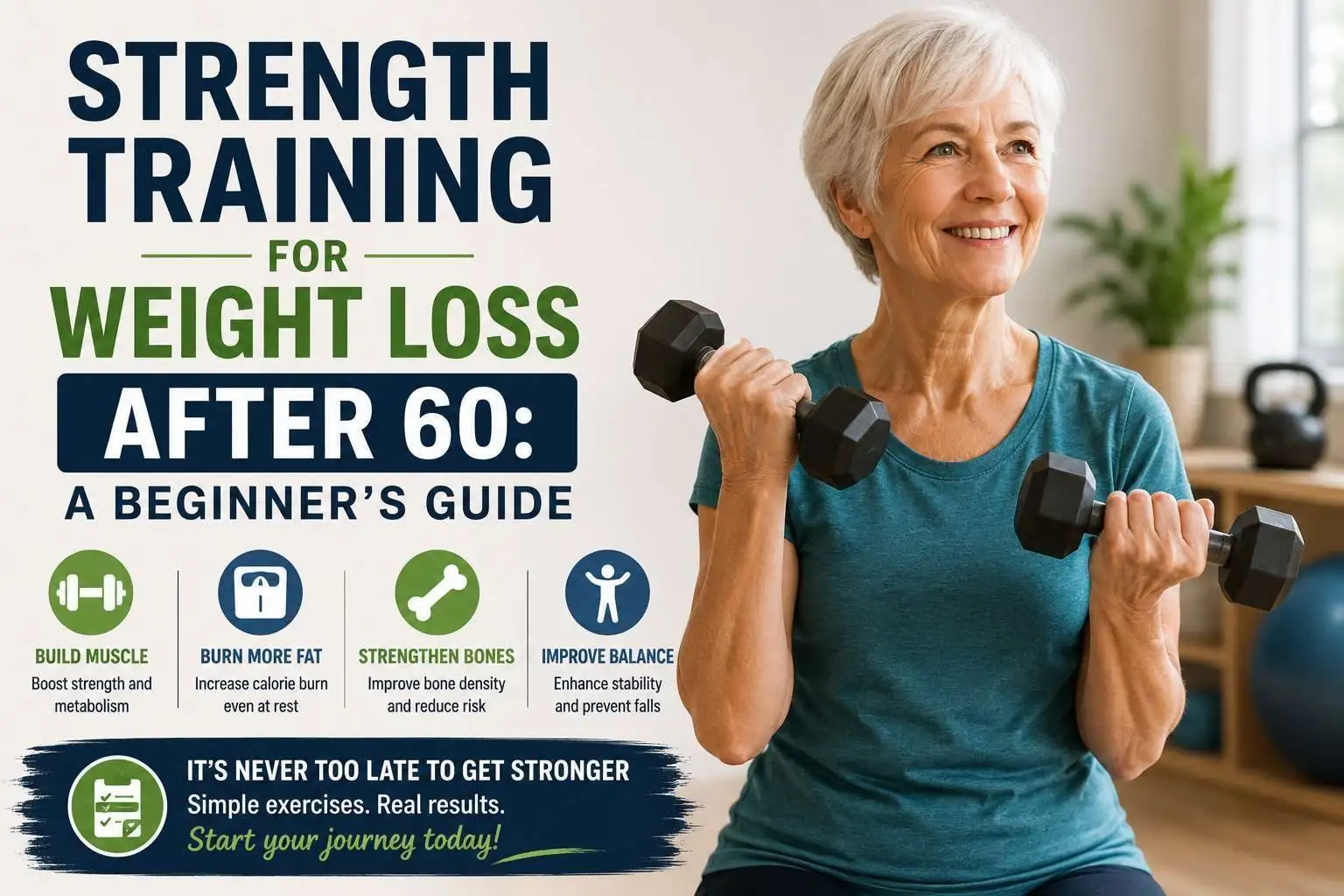
Losing weight after 60 can feel frustrating even when you are eating less and trying to stay active. Many older adults notice a slow metabolism after 60, lower energy levels, joint stiffness, and increasing belly fat that seems harder to lose every year. Daily tasks like climbing stairs, getting out of a chair, carrying groceries, or walking long distances may become more difficult because of muscle weakness and reduced mobility. These changes can affect confidence, independence, sleep quality, and overall health.
Many seniors start searching for safe and effective ways to lose weight without extreme diets or exhausting workouts. While cardio is often recommended, strength training for weight loss after 60 is one of the most effective long-term strategies for improving metabolism, preserving mobility, and maintaining independence. Resistance training for seniors weight loss programs can help reduce body fat, improve balance, support bone health, and prevent injuries when done correctly.
At Purposeful Healing DPC, our team focuses on personalized wellness, holistic weight loss programs in Dallas, and movement-based recovery plans designed for older adults. Through services like medical weight loss, physical therapy for weight management, and weight loss services, we help patients safely build strength, improve mobility, and support healthy aging.
Why Strength Training Matters After 60
As we age, the body naturally loses muscle mass through a process called sarcopenia age-related muscle loss. Muscle tissue burns more calories than fat, so losing muscle slows metabolism and makes weight gain easier.
Strength training over 60 to lose weight helps reverse some of these changes by increasing lean muscle mass metabolism and improving physical function. Even beginners can build muscle after 60 with proper guidance and consistency.
Some major benefits of weight training after 60 for beginners include:
- Increased calorie burning throughout the day because muscle tissue requires more energy than fat tissue
- Improved balance and coordination, which lowers the risk of falls and injuries
- Better bone density resistance training support to reduce osteoporosis risk
- Easier movement during daily activities like standing, walking, and lifting
- Improved insulin sensitivity and blood sugar regulation
- Better posture, joint support, and reduced stiffness
Women especially may benefit from strength training and menopause weight gain management because hormonal changes often increase abdominal fat and reduce muscle tone.
You can also learn more about sustainable healthy aging through this guide on sustainable weight loss after 60.
Is It Safe to Lift Weights After 60?
One of the biggest concerns seniors have is: is it safe to lift weights after 60?
In most cases, yes. Strength training is generally safe when exercises are performed with proper form and gradual progression. Many injuries happen when people lift too much weight too quickly or ignore mobility limitations.
Beginners should focus on:
- Controlled movements instead of fast repetitions
- Light resistance before progressing to heavier weights
- Proper breathing and posture during exercises
- Rest and recovery between workouts
Patients with arthritis, chronic pain, balance problems, or previous injuries may benefit from supervised care through physical therapy services or pain management services before starting a workout program.
Best Exercises to Lose Weight After 60
The best exercises for women over 60 to lose weight and improve strength are simple compound movements that train multiple muscle groups at once.
Sit-to-Stand Exercise
The sit to stand exercise for seniors weight loss is excellent for building leg strength and improving mobility.
How to do it:
- Sit in a sturdy chair
- Cross your arms or place hands lightly on the chair
- Stand up slowly without momentum
- Sit back down with control
This movement improves:
- Leg strength
- Balance
- Daily functional mobility
Wall Push-Ups
Wall push-ups are ideal for weight lifting for seniors beginners because they reduce stress on the joints while strengthening the upper body.
Benefits include:
- Better arm and chest strength
- Improved shoulder stability
- Safer progression toward standard push-ups
Resistance Band Rows
Resistance bands are effective for strength training at home for seniors no equipment setups because they are low impact and beginner friendly.
Rows help:
- Improve posture
- Strengthen upper back muscles
- Reduce shoulder weakness
Step-Ups
Step-ups improve cardiovascular health and lower-body strength at the same time.
They also support:
- Fall prevention strength exercises
- Balance improvement
- Better stair-climbing ability
For more mobility-focused guidance, this article on top balance exercises for seniors at home provides additional safe movements for beginners.
How Many Times a Week Should a 60 Year Old Lift Weights?
A common question is: how many times a week should a 60 year old lift weights?
Most beginners benefit from:
- 2 to 3 strength training sessions weekly
- At least one rest day between sessions
- 20 to 45 minutes per workout
Overtraining can increase soreness and injury risk, especially for older adults who are just starting resistance training for seniors weight loss programs.
A simple beginner structure may include:
- Day 1: Lower body and balance
- Day 2: Upper body and core
- Day 3: Full-body functional movements
Consistency matters more than intensity in the beginning.
Understanding Progressive Overload for Seniors
Progressive overload seniors training means gradually increasing the challenge placed on muscles over time. This is necessary for muscle growth and fat loss.
However, progression after 60 should be slow and controlled.
Ways to progress safely:
- Add 1–2 extra repetitions
- Increase resistance slightly
- Improve movement control and form
- Add another set gradually
A good beginner range for reps sets weight training older adults programs is:
- 8–12 repetitions
- 1–3 sets per exercise
Trying to lift heavy immediately is one of the fastest ways to develop injuries or quit due to pain.
Nutrition and Protein for Muscle Growth After 60
Exercise alone is not enough if nutrition is poor. Many older adults do not consume enough protein to support muscle repair and fat loss.
People often ask: how much protein do you need for strength training after 60?
Protein needs vary, but many active older adults benefit from higher protein intake compared to younger adults.
Good protein sources include:
- Eggs
- Fish
- Greek yogurt
- Chicken
- Lentils
- Protein shakes if needed
Hydration is equally important because dehydration can worsen fatigue, muscle cramps, and recovery time.
This guide on how much protein women over 60 need offers more detailed nutritional strategies for healthy aging and muscle support.
Can You Build Muscle After 60 Years Old?
Yes, absolutely. Research consistently shows older adults can gain muscle strength and improve body composition through resistance training.
The biggest mistake is believing aging automatically means weakness and frailty. The body still adapts to exercise even later in life.
Strength improvements can help:
- Increase walking speed
- Reduce fall risk
- Improve joint stability
- Support independence
- Improve confidence and mental health
Patients who combine strength training with a structured holistic weight loss Dallas program often see better long-term results because exercise, nutrition, recovery, and medical support work together.
How Long Does It Take to See Results From Strength Training After 60?
Many beginners expect rapid changes, but healthy progress takes time.
Most people notice:
- Better energy within 2–4 weeks
- Improved strength in 4–8 weeks
- Visible body composition changes in 2–3 months
Weight loss may happen slowly at first because muscle gain can offset fat loss on the scale. Focus more on:
- Waist measurements
- Strength improvements
- Mobility
- Daily function
Sustainable progress is far more important than fast results.
Conclusion
Strength training for weight loss after 60 is one of the most effective ways to improve metabolism, protect muscle mass, support bone health, and maintain independence as you age. Whether your goal is fat loss, better mobility, or improved confidence, starting slowly and staying consistent can create major long-term health benefits.
At Purposeful Healing DPC, we provide personalized care plans that combine movement therapy, nutrition support, and holistic wellness strategies to help older adults lose weight safely and improve overall quality of life.
FAQs
What is the best exercise for a 60 year old to lose weight?
Strength training combined with walking is one of the best combinations. Exercises like sit-to-stands, resistance band workouts, and step-ups help burn calories while improving muscle mass.
Should seniors lift heavy weights or light weights?
Most beginners should start with light to moderate resistance and focus on proper form. Progressing too quickly increases injury risk.
Can you build muscle after 60 years old?
Yes. Older adults can still build muscle and improve strength with consistent resistance training and adequate protein intake.
How many times a week should seniors strength train?
Most seniors benefit from 2–3 sessions per week with recovery days between workouts.
Is walking enough for weight loss after 60?
Walking helps cardiovascular health, but resistance training is important for preserving muscle mass and improving metabolism.
What causes slow metabolism after 60?
Aging-related muscle loss, hormonal changes, inactivity, and lower calorie needs all contribute to slower metabolism.
What is sarcopenia?
Sarcopenia age-related muscle loss is the gradual decline of muscle mass and strength that occurs with aging.
Are resistance bands good for seniors?
Yes. Resistance bands are low impact, beginner friendly, and effective for improving strength and mobility.
How much protein should older adults eat?
Protein needs vary, but many active older adults require more protein to maintain muscle and support recovery.
How long does it take to see strength training results after 60?
Most people notice better strength and energy within several weeks, while visible body composition changes may take a few months.
Disclaimer
This content is for educational purposes only and should not replace professional medical advice, diagnosis, or treatment. Always consult a qualified healthcare provider before starting a new exercise or weight loss program, especially if you have chronic health conditions or mobility limitations.