The Ultimate Guide to Understanding Trauma Treatment
 Yaser Elqutub
Trauma can have a profound impact on an individual’s mental, emotional, and physical well-being. Understanding trauma treatment techniques is crucial for healing and recovery. At Purposeful Healing, we offer a range of advanced trauma treatment methods to support our patients through their journey. This ultimate guide explores various types of trauma therapy methods, their effectiveness, and how our services can help you achieve lasting recovery.
What Is Trauma?
Trauma results from an event or series of events that cause overwhelming stress and disrupt a person’s ability to cope. This can include physical, emotional, or psychological harm. Common sources of trauma include accidents, natural disasters, abuse, neglect, and witnessing violence. Trauma can lead to conditions such as Post-Traumatic Stress Disorder (PTSD), anxiety, depression, and other mental health issues.
The Importance of Trauma Treatment
Untreated trauma can lead to a variety of mental health issues, including post-traumatic stress disorder (PTSD), anxiety, depression, and substance abuse. It can also impact physical health, leading to chronic pain, fatigue, and other stress-related conditions. Effective trauma treatment is crucial for alleviating these symptoms, improving overall well-being, and enabling individuals to lead fulfilling lives.
Types of Trauma Treatment
There are numerous therapy methods for trauma, each with its own approach and techniques. The following are some of the most widely recognized and effective trauma treatment techniques:
1. Cognitive Behavioral Therapy (CBT)
CBT is a widely used approach that focuses on identifying and changing negative thought patterns and behaviours. It helps individuals understand how their thoughts influence their emotions and actions and teaches coping skills to manage stress and anxiety. CBT is particularly effective for treating PTSD and other trauma-related conditions.
2. Eye Movement Desensitization and Reprocessing (EMDR)
EMDR is an advanced trauma treatment that uses guided eye movements to help individuals process and integrate traumatic memories. The therapy involves recalling distressing events while following the therapist’s hand movements with the eyes. This process helps rewire the brain’s response to trauma, reducing the intensity of negative emotions and symptoms associated with traumatic memories.
3. Trauma-Focused Cognitive Behavioral Therapy (TF-CBT)
TF-CBT is a specialized form of CBT designed specifically for children and adolescents who have experienced trauma. It combines traditional CBT techniques with trauma-sensitive interventions to address the unique needs of young people. TF-CBT helps children and their caregivers understand and cope with trauma, improve communication, and develop healthy coping skills.
4. Somatic Experiencing (SE)
SE is a body-centred approach that focuses on releasing the physical tension and stress associated with trauma. It emphasizes the connection between the mind and body, helping individuals become more aware of their physical sensations and how they relate to traumatic experiences. SE techniques include gentle movements, breathing exercises, and mindfulness practices to promote healing and recovery.
5. Prolonged Exposure Therapy (PE)
PE is an evidence-based trauma therapy method that involves gradually confronting and processing traumatic memories in a safe and controlled environment. The goal is to reduce the avoidance and fear associated with traumatic events, allowing individuals to regain control over their lives. PE includes both imaginal exposure (revisiting the traumatic memory) and in-vivo exposure (facing real-life situations related to the trauma).
6. Dialectical Behavior Therapy (DBT)
DBT combines cognitive-behavioural techniques with mindfulness practices to help individuals manage intense emotions and improve relationships. It is particularly effective for those with complex trauma or borderline personality disorder. DBT focuses on building skills in four key areas: mindfulness, distress tolerance, emotion regulation, and interpersonal effectiveness.
Personalized Trauma Treatment at Purposeful Healing
At Purposeful Healing, we understand that each individual’s experience of trauma is unique, and so is their path to recovery. Our holistic approach to trauma treatment integrates multiple therapy methods to provide comprehensive care tailored to your specific needs. Here are some of the key services we offer:
1. Osteopathic Manipulative Therapy (OMT)
OMT is a hands-on technique used to diagnose, treat, and prevent various conditions, including trauma-related physical symptoms. Our doctors of osteopathy use gentle manipulation of the muscles, tissues, and joints to alleviate pain, improve mobility, and promote overall health. OMT can be particularly beneficial for individuals experiencing chronic pain or tension as a result of trauma.
2. Neural Therapy
Neural therapy is an advanced trauma treatment that involves injecting local anaesthetics into specific areas of the body to reset the autonomic nervous system and relieve chronic pain and inflammation. This technique can help break the cycle of pain and stress associated with trauma, promoting healing and recovery.
3. Physical Therapy
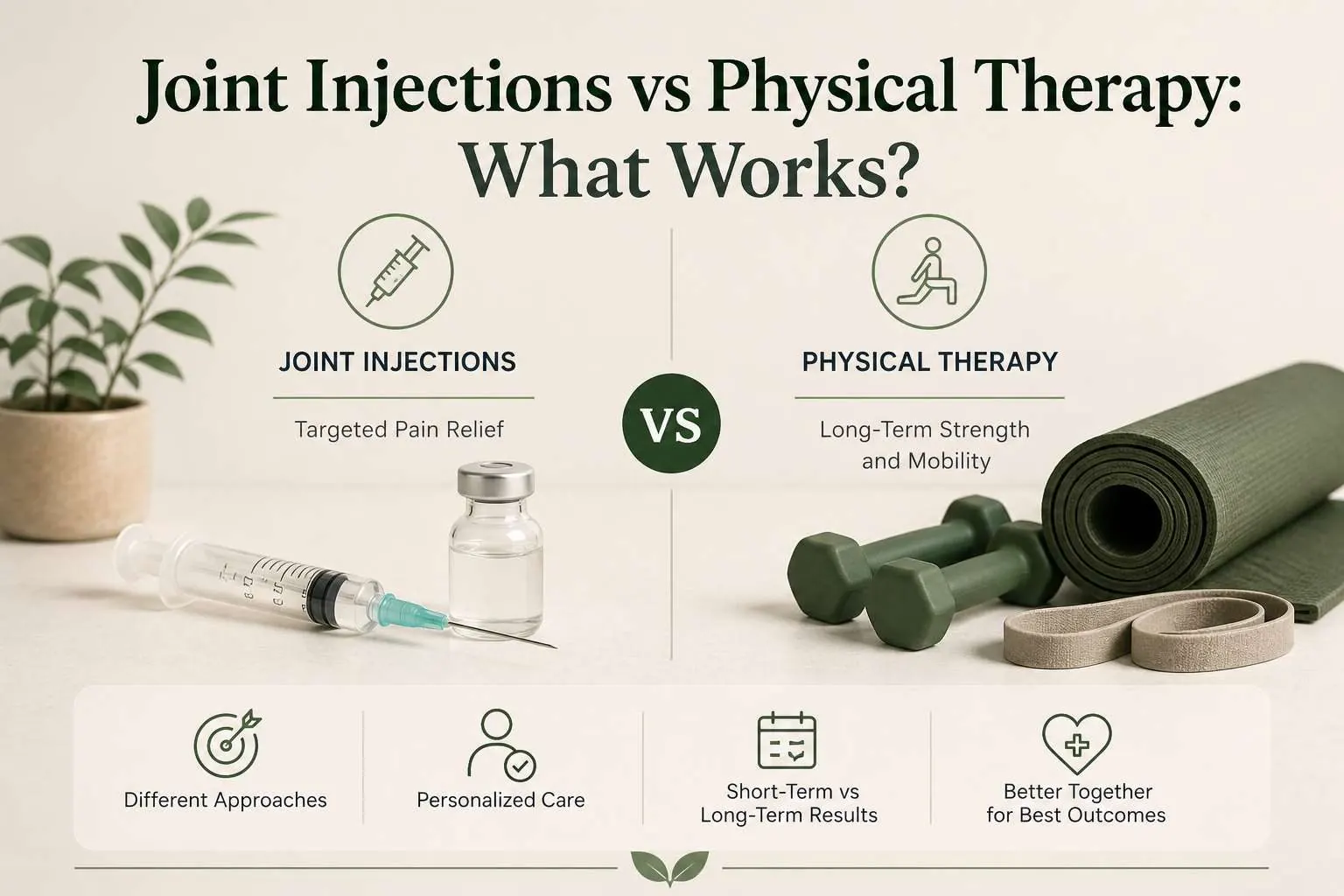
Our physical therapy services focus on restoring physical function and relieving pain through exercises, manual therapy, and other modalities. For individuals who have experienced physical trauma or have trauma-related physical symptoms, our physical therapists develop personalized treatment plans to improve strength, flexibility, and overall well-being.
4. Reiki Therapy
Reiki is a form of energy healing that promotes relaxation, reduces stress, and supports the body’s natural healing processes. Our certified Reiki practitioners use gentle touch or hands-off techniques to channel healing energy and balance the body’s energy centres. Reiki can be an effective complement to other trauma treatment methods, helping to soothe the mind and body.
5. Personal Training
Physical activity is a vital component of trauma recovery, helping to release tension, improve mood, and boost overall health. Our personal trainers work with you to develop safe and effective exercise routines tailored to your abilities and goals. Regular physical activity can enhance the benefits of other trauma treatment techniques and support long-term recovery.
Effective Trauma Treatment: Integrating Mind and Body
Trauma affects both the mind and body, and effective treatment must address both aspects. Our integrative approach at Purposeful Healing combines psychological therapies with physical and holistic treatments to provide comprehensive care. Here are some key components of our trauma treatment program:
1. Comprehensive Assessment
We begin with a thorough assessment to understand your unique needs, challenges, and goals. This includes evaluating your physical health, mental health, and trauma history. Based on this assessment, we develop a personalized treatment plan that incorporates multiple therapy methods for trauma.
2. Collaborative Care
Our multidisciplinary team of healthcare professionals works collaboratively to ensure you receive coordinated and comprehensive care. This team includes doctors, therapists, physical therapists, personal trainers, and holistic practitioners, all dedicated to supporting your recovery.
3. Individualized Treatment Plans
Your treatment plan is tailored to your specific needs and goals, incorporating a combination of trauma therapy methods that are most effective for you. We continuously monitor your progress and make adjustments as needed to ensure optimal results.
4. Holistic Support
In addition to traditional therapy methods, we offer holistic treatments such as Reiki therapy and osteopathic manipulative therapy to support your overall well-being. These treatments help address the physical and energetic aspects of trauma, promoting healing from within.
Advanced Trauma Treatment Techniques
In addition to the well-known therapy methods, there are several advanced trauma treatment techniques that can be highly effective for certain individuals. These include:
1. Neurofeedback
Neurofeedback is a type of biofeedback that measures brainwave activity and provides real-time feedback to help individuals regulate their brain function. This technique can be particularly effective for those with PTSD, anxiety, and other trauma-related conditions, helping to improve mood, focus, and emotional regulation.
2. Ketamine-Assisted Therapy
Ketamine-assisted therapy involves the use of low-dose ketamine infusions combined with psychotherapy to treat severe depression, PTSD, and other trauma-related conditions. Ketamine can help reduce symptoms quickly, allowing individuals to engage more effectively in therapy and begin the healing process.
3. Transcranial Magnetic Stimulation (TMS)
TMS is a non-invasive procedure that uses magnetic fields to stimulate nerve cells in the brain. It is primarily used to treat depression and PTSD that have not responded to other treatments. TMS can help improve mood and cognitive function, making it easier for individuals to participate in other trauma treatment techniques.
Also, Read Our Other post.
Enhancing Elder Health and Living: Surprising Primary Care Tips for Seniors
Conclusion
Understanding the various trauma treatment techniques available is crucial for finding the most effective approach to healing. At Purposeful Healing, we offer a comprehensive and personalized approach to trauma treatment, integrating multiple therapy methods to address the unique needs of each individual. Whether you’re dealing with PTSD, chronic pain, or emotional distress, our team of healthcare professionals is here to support you on your journey to recovery.
Disclaimer
The information provided in this blog is for educational purposes only and does not substitute for professional medical advice. For specialized services, contact Purposeful Healing or other related clinics.